

 Náhled v interiéru
 Sdílet
 Sdílet
 Podrobnosti o díle
 Průvodce

 Stáhnout
 Podobné položky
 Rentgenové snímky
 Slideshow
 Statistiky
Maréchal de Saxe
 Pastel
- WallArt
- Rococo Portraiture
 Early Modern
 61.0 x 51.0 cm
 Louvr
Louvr
 Zobrazit více
Ručně malovaná olejová reprodukce
Rukou malované olejné plátno v libovolném rozměru i s rámem, vyrobené našimi umělci na zakázku. ( Přepnout na tisk Přepnout na digitální obraz)




P118B Kč10

P118H Kč10

P118W Kč10

P438Z Kč10

P508JH Kč12

P508YH Kč12

P805H Kč10

P805Z Kč10

P919BZ Kč10

P919G Kč10

P919XJ Kč10

P959ZH Kč10

P968JZ Kč12

W106C Kč8

W218G Kč10

W218JH Kč8

W218Y Kč10

W307PJ Kč10

W316G Kč10

W316PJ Kč8

W316Y Kč10

W398PJ Kč8

W4111J Kč10

W500HY Kč15

W500JH Kč15

W692G Kč12

W849H Kč8

W940BG Kč15

W953PJ Kč8




Vyberte si z našich přednastavených velikostí, které odpovídají původním proporcím díla.

Zadejte šířku a výšku, které potřebujete pro váš rám nebo stěnu. Protože se jedná o ruční malbu, při výběru jiného formátu může umělec kolem obrazu domalovat o něco více, nebo jej mírně oříznout — rozhodnete si vy. Před zahájením malby vám zašleme digitální náhled ke schválení. Obraz zobrazený na této stránce neodpovídá skutečnému výsledku — pouze digitální náhled jej zobrazuje.
Po přijetí objednávky vám tým OriginalUniqueArt.com zašle e-mail s pokyny a poskytne náhledovou verzi.
Celosvětová doprava () za 3–4 týdny namísto standardních 5 týdnů. (26 říjen). Bez kompromisů v kvalitě.

Zdarma celosvětová expresní doprava

Vysoce kvalitní lněné plátno

Kompletní pojištění přepravy

Záruka vrácení celního poplatku

Záruka věrného barevného souladu

100dení lhůta pro vrácení zboží (pouze při vadách výroby)

100% záruka vrácení peněz

Sleva při více objednávkách
 Skleněná varianta je dostupná pouze u rozměrů menších než 110 cm

Maréchal de Saxe
Technika reprodukce
Rozměry reprodukce
-


Celková cena za vybrané možnosti reprodukcí
Kč 6422
A Vision of Rococo Grandeur
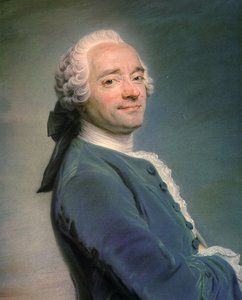
In the delicate dance of light and pigment, few works capture the aristocratic splendor of the eighteenth century as intimately as Maurice Quentin de La Tour’s 1731 pastel portrait, Maréchal de Saxe. To gaze upon this masterpiece is to step directly into the opulent intellectual landscape of Enlightenment France, where every brushstroke—or in this case, every soft application of pastel—serves to elevate the subject beyond mere mortal likeness. The portrait does not simply present a military commander; it orchestrates a symphony of power, prestige, and refined grace. Through the masterful use of the pastel medium, De La Tour achieves an ethereal luminosity that oil paints often struggle to replicate, allowing the skin tones to glow with a lifelike warmth and the fabrics to shimmer with a soft, tactile elegance.
The subject himself, the celebrated Maréchal de Saxe, is rendered with a profound sense of dignity. Clad in the authoritative attire of his station, he wears a striking blue sash draped across his shoulder, a symbol of high rank that cuts through the composition with a regal vibrancy. His black coat, punctuated by meticulously detailed gold buttons, speaks to the wealth and status inherent in his role as an influential advisor to Louis XV. De La Tour’s technical prowess is most evident in the subtle gradations of color; he blends hues of cerulean, cream, and gold so seamlessly that the textures of silk, lace, and skin appear almost tangible. This soft-focus brilliance is a hallmark of the Rococo style, creating an atmosphere that feels both intensely real and dreamily idealized.
The Intersection of Might and Intellect
Beyond the surface beauty of the portrait lies a deeper narrative regarding the cultural zeitgeist of the era. During this period, the ideals of the Enlightenment—reason, virtue, and intellect—were beginning to reshape the French court. De La Tour, a master of characterization, does not merely depict a soldier of war; he presents an embodiment of these very ideals. The Maréchal’s expression, marked by a quiet confidence and a gaze of seasoned wisdom, suggests a man whose strategic brilliance is matched by his philosophical depth. This portrayal aligns beautifully with the spirit of contemporaries like Voltaire, whose influence permeated the artistic circles of the time.
The minimalist background serves a vital compositional purpose, stripping away the distractions of a cluttered landscape to focus the viewer's entire emotional investment on the man himself. By placing the Maréchal against a plain, light-colored void, De La Tour ensures that the interplay of shadow and light on the subject's face becomes the focal point. This choice emphasizes the psychological depth of the sitter, inviting collectors and art enthusiasts to contemplate the weight of responsibility carried by such an influential figure.
An Enduring Legacy for the Discerning Collector
For the interior designer or the passionate art collector, a high-quality reproduction of Maréchal de Saxe offers more than just a decorative element; it provides a window into a vanished era of elegance. The piece possesses a unique ability to anchor a room, bringing a sense of historical gravity and sophisticated charm to any space. Whether placed in a sunlit library or a formal dining hall, the soft textures and regal color palette of the pastel medium evoke a feeling of timeless luxury.
Owning a reproduction of this caliber allows one to celebrate the technical mastery of Maurice Quentin de La Tour, an artist who redefined the possibilities of pastel. The artwork serves as a conversation piece that bridges the gap between the historical grandeur of the French monarchy and the modern aesthetic appreciation for fine detail and emotive portraiture. It is an investment in atmosphere, a tribute to the enduring power of the Rococo spirit, and a profound addition to any curated collection of fine art.
Otázky a odpovědi
Kdo prodává ručně malované kopie díla „Maréchal de Saxe“ od Maurice Quentin de La Tour?
Ručně malované kopie díla „Maréchal de Saxe“ od Maurice Quentin de La Tour jsou k zakoupení na webu tato webová stránka: ručně malovaná olejová reprodukce na lněném plátně, a to prostřednictvím jeho stránky Ručně malovaná reprodukce.
Kde je dnes možné vidět dílo „Maréchal de Saxe“ od Maurice Quentin de La Tour?
Originál díla „Maréchal de Saxe“ si můžete prohlédnout v instituci Louvr, Paris, France.
Mohu si prohlédnout rentgenový snímek díla „Maréchal de Saxe“ od Maurice Quentin de La Tour?
X-ray pohled na dílo „Maréchal de Saxe“ od Maurice Quentin de La Tour naleznete na stránce Rentgenové snímky: jde o interaktivní prohlídku obrazu skrze jedenáct optických vrstev.
Biografie umělce
Maurice Quentin de La Tour: Život v pastelových tónech
- Narozen: 5. září 1704, Saint-Quentin, Francie
- Zemřel: 17. února 1788, Saint-Quontin, Picardie, Království Francie
- Proslul: Rokokovou portrétní malbou v pastelu, zachycováním podobnosti Voltera, Ludvíka XV. a Madame de Pompadour.
Raný život a umělecký vzestup
- Maurice Quentin de La Tour se narodil v hudebnické rodině; jeho otec, François de La Tour, byl hudebníkem u vévody z Maine. Navzdory počátečním rodinným očekáváním se však Maurice rozhodl věnovat malířství.
- Kolem roku 1724 se přestěhoval do Paříže, kde zahájil svou uměleckou kariéru. Jeho raná výchova zahrnovala studia u Jacquesa Spoedeho a krátké období v Reims. Cesta do Anglie v roce 1725 dále ovlivnila jeho styl.
- Jeho první portréty, jako například ten s Volterem (1731), prokazovaly rodící se talent pro zachycení charakteru a podobnosti. Tento portrét byl významně leptán Langloisem, což mu přineslo širší uznání.
Umělecký styl a nejvýznamnější díla
<- Mistrovství v pastelu: De La Tour je oslavován pro svou výjimečnou zručnost při používání pastel. Toto médium využíval k vytváření portrétů s neuvěřitelnou měkkostí a jemností, čímž zachytil subtilní nuance výrazů i textur.
- Vliv rokoka: Jeho dílo je dokonalým příkladem stylu rokoka, který je charakteristický elegancí, grácií a zaměřením na portrétování tehdejší módní společnosti.
- Významná díla:
- Portrét Voltera (1731) – Upevnil si svou pověst již na začátku své kariéry.
- Autoportrét, smějící se (cca 1737) – Předvádí jeho schopnost vykreslit osobnost a vtip.
- Portrét Madame de Pompadour – Významný zakázkový portrét prokazující jeho schopnost zachytit podobnost významné osobnosti.
- Portréty Ludvíka XV. – Řada portrétů francouzského krále, která upevnila jeho postavení na dvoře.
- Výtvarné salony: Pravidelně vystavoval na Pařížském salonu, kde během tří desetiletí představil sérii 150 portrétů, která se stala lákadlem pro návštěvníky.
Uznání a pozdní roky
- Královské uznání: V roce 1737 byl oceněn Královskou akademií malířství a sochařství. V roce 1movo se stal portrétistou krále.
- Filantropie: S rostoucím bohatstvím se de La Tour věnoval filantropickým aktivitám, založil školu kreslení v Saint-Quentinu a podporoval chudé umělce.
- Duševní zdraví: Kolem roku 1773 zažil nervové selhání, které vedlo k obdobím duševní nemoci a následnému odchodu do důchodu ve svém rodném městě Saint-Quentin.
Odkaz a historický význam
- De La Tourovy portréty jsou vysoce ceněny pro jejich psychologický vhled a technickou brilanci. Pozvedl pastelovou portrétní malbu do nových výšin a ovlivnil následující generace umělců.
- Jeho schopnost zachytit podstatu svých subjektů – jejich osobnost, inteligenci a společenské postavení – z něj učinila jednoho z nejžádanějších portrétistů své doby.
- Dnes jsou jeho díla uložena v prestižních muzeích po celém světě, včetně Musée du Louvre, a poskytují cenný pohled do francouzské společnosti a uměleckých postupů 18. století.
Maurice Quentin de La Tour
1704 - 1788 , Francie
Rychlé informace o umělci
- Artistic Movement Or Style: Rokoko
- Artists Who Influenced This Artist: ['Jacques Spoede']
- Date Of Birth: 5. října 1704
- Full Name: Maurice Quentin de La Tour
- Nationality: Francouzský
- Notable Artworks:
- Portrét Voltaire
- Autorretrát smíchu
- Place Of Birth: Saint-Quentin, Francie
Související články
The Elegance of Rococo Portraiture: A Journey Through Grace, Soft Light, and Pastel Dreams
Discover the exquisite world of Rococo portraiture. Explore the delicate beauty of 18th-century French art, from pastel light to graceful asymmetry, and learn how to bring this era of elegance into your home through masterfully hand-painted oil reproductions.

Maurice Quentin de La Tour: Light, Shadow & the Rococo Portrait
Explore the captivating world of Maurice Quentin de La Tour, a master of Rococo portraiture. Discover his innovative pastel techniques, intimate depictions of French aristocracy, and lasting artistic legacy. Learn more at OriginalUniqueArt.

Francisco Goya: 25 mistrovských děl španělského génia | OriginalUniqueArt.cz
Prozkoumejte 25 ikonických děl Francisca Goyi – od romantických portrétů po temné tiskoviny. Objevte příběhy, techniky a umělecký význam španělského mistra na OriginalUniqueArt.cz. Reprodukce obrazů pro váš interiér.
Georges de La Tour: Luminosity, Spirituality & Realism in Baroque Painting
Discover the captivating world of Georges de La Tour, a Baroque master renowned for his dramatic chiaroscuro & spiritual realism. Explore key works, influences, and his remarkable rediscovery. Learn more at OriginalUniqueArt.
Águeda Ruiz de la Prada: A Study of Eclecticism & Emotional Resonance in Contemporary Spanish Painting
Discover the vibrant world of Ágatha Ruiz de la Prada, a leading figure in contemporary Spanish art. Explore her eclectic style, emotional depth & legacy – a must-read for discerning collectors.