

 Zobrazit v interiéru
 Odeslat
 Sdílet
 Podrobnosti
 Průvodce

 Stáhnout obrázek
 Podobné kousky
 Rentgenové snímky
 Slideshow
 Statistiky
St Antony the Hermit
 Oil On Panel
- WallArt
- German Renaissance
 1515
1515- Renaissance
 232.0 x 75.0 cm
 Musée Unterlinden
 Přečíst si více
Giclée / Umělecký tisk
Giclée nebo plátěný tisk muzeální kvality s rychlou výrobou a širokou nabídkou povrchových úprav. ( Objednat ručně malovanou reprodukci Přepnout na digitální verzi obrazu)




P118B Kč10

P118H Kč10

P118W Kč10

P438Z Kč10

P508JH Kč12

P508YH Kč12

P805H Kč10

P805Z Kč10

P919BZ Kč10

P919G Kč10

P919XJ Kč10

P959ZH Kč10

P968JZ Kč12

W106C Kč8

W218G Kč10

W218JH Kč8

W218Y Kč10

W307PJ Kč10

W316G Kč10

W316PJ Kč8

W316Y Kč10

W398PJ Kč8

W4111J Kč10

W500HY Kč15

W500JH Kč15

W692G Kč12

W849H Kč8

W940BG Kč15

W953PJ Kč8




Vyberte si z našich přednastavených velikostí, které odpovídají původním proporcím díla.

Zadejte šířku a výšku, které potřebujete pro váš rám nebo stěnu. Tisk lze pouze oříznout, nikdy však nelze zvětšit obraz nad jeho původní rozměr, proto při výběru jiného formátu dochází ke ztrátě části obrazu. Před samotným tiskem vám zašleme digitální náhled k schválení. Obraz zobrazený na této stránce nenabízí skutečný výřez — ten uvidíte pouze v náhledu.
Celosvětové doručení () do 2 týdnů namísto standardních 4/5 týdnů. (25 říjen)

Zdarma celosvětová expresní doprava

Vysoce kvalitní lněné plátno

Úplné pojištění přepravy

Záruka vrácení celního poplatku

Záruka věrného barevného shodu

100dení lhůta pro vrácení zboží (pouze při vadách výroby)

100% garance vrácení peněz

Sleva při více objednávkách
 Skleněná varianta je dostupná pouze u rozměrů menších než 110 cm

St Antony the Hermit
Giclée / Umělecký tisk
Velikost reprodukce
-


Celková cena
Kč 1709
A Vision of Solitude: The Spiritual Depth of St Antony the Hermit
In the quiet, shadowed corners of art history, few works command the soul with such profound stillness as Matthias Grünewald’s St Antony the Hermit. Completed in 1515, this monumental oil on panel serves as a breathtaking window into the late medieval spirit, captured at the very moment it began to merge with the burgeoning Renaissance aesthetic. The painting does not merely depict a saint; it invites the viewer into a sacred, meditative space. As one gazes upon the elderly figure of St Antony, there is an immediate sense of being transported to a time when art was a direct conduit for the divine. His long, flowing beard and alabaster skin are rendered with a meticulousness that transcends mere representation, offering instead a portrait of spiritual asceticism that feels both ancient and eternally present.
The composition is a masterclass in atmospheric storytelling. Grünewald places the saint within a darkened chamber, where rough stone walls enclose him in a cocoon of isolation. This setting is far from accidental; it symbolizes the hermit’s deliberate detachment from the cacophony of the worldly life in pursuit of a higher truth. The presence of a barred window suggests the confines of a cell or monastery, yet the spiritual expanse within the painting feels limitless. For the collector or the lover of fine art, this piece offers more than just visual beauty; it provides a focal point for contemplation, making it an extraordinary addition to any space dedicated to reflection and peace.
The Alchemy of Color and Light
Technically, Grünewald’s work is a triumph of texture and chiaroscuro. The artist employs a rich, somber palette—deep blacks, muted browns, and earthy tones—which allows the sudden, vibrant strike of crimson to resonate with startling intensity. St Antony’s red robe, draped over a dark tunic, acts as a visual heartbeat within the gloom, drawing the eye toward the saint's contemplative gesture. His right hand, resting gently upon his chest, is a silent testament to prayerful devotion and an unwavering faith that refuses to be extinguished by the surrounding shadows.
The interplay of light and shadow in this work creates a sculptural depth that is rare even among the masters of the Northern Renaissance. Every fold of the fabric and every line etched into the saint's weathered face tells a story of endurance. For interior designers seeking to infuse a room with character and gravitas, a high-quality reproduction of this masterpiece brings a sense of historical weight and dramatic elegance. The painting’s ability to balance heavy, textured realism with an ethereal, spiritual glow makes it a versatile yet commanding presence in sophisticated decor.
A Legacy of Devotion for the Modern Collector
To understand St Antony the Hermit is to understand the unique genius of Matthias Grünewald. Unlike his contemporary Albrecht Dürer, who embraced the classical humanism of Italy, Grünewald remained a poet of the Northern tradition, prioritizing emotional resonance and raw, spiritual truth over formal perfection. This dedication to the "inner life" ensures that his work remains perpetually relevant. In an era of constant digital distraction, the profound silence captured in this panel offers a much-needed sanctuary.
Owning or displaying a reproduction of this work is an act of preserving a piece of German Renaissance history. It is an opportunity to surround oneself with the textures of the past and the enduring power of faith. Whether placed in a private study, a quiet library, or a curated gallery space, St Antony the Hermit serves as a constant reminder of the beauty found in solitude and the strength found in stillness. It is not just a painting; it is an invitation to breathe, to reflect, and to find meaning in the shadows.
Otázky a odpovědi
K kterému uměleckému směru patří „St Antony the Hermit“ od Matěj Grünwald?
Směr, ke kterému patří dílo „St Antony the Hermit“ od Matěj Grünwald, je German Renaissance. Tato klasifikace umísťuje toto dílo mezi související umělce a další umělecká díla.
Z jakého období pochází dílo „St Antony the Hermit“ od Matěj Grünwald?
Historické období díla „St Antony the Hermit“ od Matěj Grünwald je Renaissance. Tato klasifikace dílo zasaduje do kontextu dějin umění.
Kdo vytvořil dílo "St Antony the Hermit" a v jakém roce?
Matěj Grünwald vytvořil/a „St Antony the Hermit“ v roce 1515.
Biografie umělce
Matthias Grünewald: Život a odkaz
Raný život a umělecké počátky
Matthias Grünewald, narozený jako Mathis Gothart Neithardt kolem let 1470–1475 ve Würzburgu v Německu, představoval klíčovou postavu německé renesance. Přestože žil v době, která byla stále více ovlivňována ideály italské renesance, Grünewald zůstal hluboce zakořeněn v umělických tradicích pozdního středověku střední Evropy. Informace o jeho raném životě jsou vzácné, ale víme, že prošel výtvarným výcvikem, který pravděpodobně získal v místních dílnách.
Umělecký rozvoj a vlivy
Grünewaldův umělecký rozvoj byl formován tehdejšími severoevropskými tradicemi realismu, emocionální intenzity a detailního pozorování. V jeho díle lze patrně vidět vlivy umělců jako Albrecht Dürer či Martin Schongauer, avšak on sám si vybudoval zcela unikátní cestu, kterou charakterizuje dramatická výraznost a živá koloristika. Nebyl přímo spojen s humanistickými kruhy, které byly tehdy v Itálii tak významné; jeho umění však primárně sloužilo náboženským účelům a zrcadlilo duchovní úzkosti jeho doby.
Hlavní díla a umělecký styl
- Isenheimský oltář (1512–1516): Toto mistrovské dílo, které je uloženo v Musée d'Unterlinden v Colmaru, je považováno za Grünewaldovo magnum opus. Zobrazuje scény z Kristova života s děsivým realismem a soustředí se především na témata utrpení a odkupu.
- Ukřižování (cca 1502–1503): Rané dílo, které demonstruje jeho rozvíjející se styl a projevuje intenzivní emoce i anatomickou přesnost.
- Panna Marie při Zvěstování (1512–14): Studie pro Isenheimský oltář, která odhaluje jeho pečlivý proces plánování.
- Mojžíš (1511): Kresba zdůrazňující Grünewaldovu schopnost zachytit výrazné postavy a dramatické pózy.
Grünewaldův styl je specificky definován několika prvky:
- Dramatická kompozice: Používal dynamické uspořádání prvků, aby zvýšil emocionální dopad obrazu.
- Živá paleta barev: Jeho práce s intenzivními a často kontrastními barvami vytváří silný vizuální zážitek.
- Realistické zobrazení utrpení: Grünewald se neváhal dotýkat fyzické i psychické bolesti spojené s náboženskými příběhy.
- Výrazné postavy: Jeho postavy jsou naplněny silnými emocemi a psychologickou hloubkou.
Historický význam a odkaz
Grünewaldovo dílo stojí jako svědectví o trvající síle středověkých uměleckých tradic v Německu během renesance. Dokázal překlenout propast mezi pozdně gotickým stylem a nastupující renesancí a vytvořil unikátní vizuální jazyk, který rezonoval s jeho dobovými lidmi. Jeho vliv je patrný u pozdějších německých umělců, kteří pokračovali v prozkoumávání témat náboženského žáru a emocionální intenzity. Ačkoliv byl po své smrti v roce 1528 po staletí zapomenut, v 19. století zažil renesanci a dnes je uznáván jako jeden z nejdůležitějších malířů německé renesance. Jeho umění i nadále fascinuje diváky svou syrovou emocí, technickou brilancí a hlubokým duchovním rozměrem.
Další prohlédnutí
Zjistěte více o životě a díle Matthiase Grünewalda na: OriginalUniqueArt

Matěj Grünwald
1480 - 1528 , Německo
Rychlé informace
- Artistic Movement Or Style: Německá renesance
- Artists Or Movements Influenced By This Artist:
- Lucas Cranach the Elder
- Hans Baldung zvaný Grün
- Artists Who Influenced This Artist:
- Albrecht Dürer
- Martin Schongauer
- Date Of Birth: c. 1470/1480
- Date Of Death: 31 August 1528
- Full Name: Matthias Grünewald
- Nationality: Německý
- Notable Artworks:
- Isenheimský oltář
- Kristus na kříži
- Panna Marie s Annou
- Moisés
- Place Of Birth: Würzburg, Německo
Související články
High Medieval Art: 10 Masterpieces That Shaped an Era | OriginalUniqueArt
Journey through High Medieval Art! Explore 10 iconic masterpieces – from Giotto's frescoes to stunning Gothic cathedrals. Discover the stories behind these timeless paintings, sculptures & illuminated manuscripts. Find museum-quality art reproductions at OriginalUniqueArt.com.
Late Medieval Masterpieces: 10 Artworks That Defined an Era | OriginalUniqueArt
Journey through 10 defining Late Medieval masterpieces – from Giotto's frescoes to Jan van Eyck’s realism. Explore the stories, techniques & vibrant colors of Gothic art. Find museum-quality reproductions and elevate your home decor with OriginalUniqueArt.com! Discover all masterpieces on OriginalUniqueArt.com
Illuminating Belief: A Visual Exploration of Faith Across Artistic Movements & Historical Contexts
Explore the rich history of faith through art! Discover Renaissance masterpieces, iconic artists & religious symbolism with expert analysis from OriginalUniqueArt. Perfect for collectors and enthusiasts.
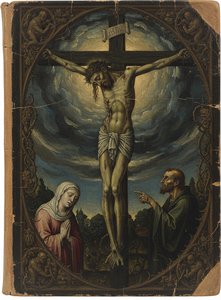
Matthias Grünewald: Devotion, Distortion & Spiritual Turmoil in Renaissance Art
Explore the profound religious art of Matthias Grünewald, master of the Isenheim Altarpiece. Discover his unique expressionism, symbolism & lasting impact on Renaissance painting. A guide for collectors and enthusiasts.

Divine Splendor: A Guide to the Sacred Beauty and Symbolic Depth of High Medieval Art
Embark on a scholarly journey through the sacred beauty of High Medieval art. Discover the profound symbolism, luminous iconography, and spiritual depth of Gothic masterpieces in this expert guide for classical art enthusiasts.


