

 Zobrazit v interiéru
 Odeslat
 Sdílet
 Podrobnosti
 Průvodce

 Stáhnout obrázek
 Podobné kousky
 Rentgenové snímky
 Slideshow
 Statistiky
Světý Bartoloměj
 Olej na desce
- Early Renaissance
 1485
1485 90.0 x 56.0 cm
 Szépművészeti Múzeum
 Přečíst si více
Ručně malovaná olejová reprodukce
Ručně malované olejné plátno v libovolném rozměru i s rámem, vyrobené našimi umělci na zakázku. ( Přepnout na tiskové verze Přepnout na digitální verzi obrazu)




P118B $10

P118H $10

P118W $10

P438Z $10

P508JH $12

P508YH $12

P805H $10

P805Z $10

P919BZ $10

P919G $10

P919XJ $10

P959ZH $10

P968JZ $12

W106C $8

W218G $10

W218JH $8

W218Y $10

W307PJ $10

W316G $10

W316PJ $8

W316Y $10

W398PJ $8

W4111J $10

W500HY $15

W500JH $15

W692G $12

W849H $8

W940BG $15

W953PJ $8




Vyberte si z našich přednastavených velikostí, které odpovídají původním proporcím díla.

Můžete zadat vlastní rozměry pro konkrétní rám nebo prostor. Pokud se vámi vybraná velikost neshoduje s proporcemi původního obrazu, dílo buď ořízneme, nebo jej doplníme ručně malovanými prvky. Před zahájením výroby vám bude zaslán digitální náhled ke schválení.
Upozorňujeme, že náhled na obrazovce neodpovídá skutečnému ořezu ani rozšíření. Pouze digitální náhled přesně zobrazí finální kompozici.
Ačkoliv je možné zvolit vlastní velikost, pro zachování původních proporcí doporučujeme vybrat rozměr z předdefinovaného seznamu.
Po přijetí objednávky vám tým OriginalUniqueArt.com zašle e-mail s pokyny a poskytne náhledovou verzi.
Celosvětová doprava () za 3–4 týdny namísto standardních 5 týdnů. (27 září). Bez kompromisů v kvalitě.

Zdarma celosvětová expresní doprava

Vysoce kvalitní lněné plátno

Úplné pojištění přepravy

Záruka vrácení celního poplatku

Záruka věrného barevného shodu

100dení lhůta pro vrácení zboží (pouze při vadách výroby)

100% garance vrácení peněz

Sleva při více objednávkách
 Skleněná varianta je dostupná pouze u rozměrů menších než 110 cm

Světý Bartoloměj
Technika provedení
Velikost reprodukce
-


Celková cena
$ 300
Saint Bartholomew – A Tuscan Renaissance Masterpiece
Saint Bartholomew’s depiction by Matteo di Giovanni stands as a testament to the artistic fervor of Siena during the late fifteenth century, marking a pivotal moment in the transition from Gothic formalism to the humanist ideals of the burgeoning Renaissance. Commissioned likely around 1480-1485 for Alfonso II of Naples – who sought solace amidst political turmoil – this panel painting transcends mere representation; it embodies a profound engagement with theological symbolism and masterful execution, cementing Giovanni’s place among Sienese luminaries.- Subject Matter & Symbolism: The Saint himself is portrayed in an arresting pose—a nude figure clutching his own flayed skin, a gesture steeped in biblical allusion to the martyrdom of Bartholomew. This motif, prevalent throughout medieval iconography, signifies not merely physical suffering but also spiritual sacrifice and the vulnerability inherent in confronting mortality. The knife held aloft underscores the act of execution, serving as a visual reminder of faith’s ultimate price.
- Style & Technique: Giovanni’s style aligns seamlessly with Florentine artistic advancements, demonstrating an astute awareness of contemporary trends championed by artists like Antonio Pollaiolo. Unlike prevailing Tuscan conventions prioritizing decorative splendor, Giovanni prioritized anatomical accuracy and expressive dynamism—characteristics that would define the Sienese School's distinctive aesthetic. The painting utilizes tempera on wood – a technique favored for its luminosity and durability – layered with meticulous glazing to achieve subtle tonal variations and textural depth.
- Historical Context: Siena’s artistic landscape during this period was shaped by political instability and papal patronage, fostering an environment conducive to experimentation and innovation. Giovanni's work reflects the broader humanist preoccupation with human form and emotion—a departure from the stylized depictions of saints characteristic of earlier Gothic art. The commission itself underscores Alfonso II’s desire to commemorate the victims of Ottoman aggression in Otranto – a poignant reminder of the era’s anxieties about religious persecution.
- Emotional Impact: Viewing Saint Bartholomew evokes contemplation and introspection, prompting reflection on themes of faith, sacrifice, and mortality. Giovanni's masterful composition—characterized by minimal perspective and deliberate use of lines—draws the viewer’s gaze directly to the central figure, fostering a sense of immediacy and emotional engagement. The painting’s subdued palette – dominated by reds – reinforces its solemn character and communicates an aura of profound seriousness.
Detailed Analysis: Composition & Color Palette
Giovanni's compositional choices are deliberate and impactful, prioritizing clarity and visual harmony while simultaneously conveying a sense of psychological tension. The nude figure occupies the majority of the panel’s surface area—a bold assertion of humanist ideals—positioned at the edge of a stylized marble floor that contributes to the illusion of depth without resorting to complex spatial conventions. Precise linear contours delineate musculature and drapery folds, enhancing anatomical realism and creating visual interest. Furthermore, Giovanni skillfully employs color – primarily crimson – to imbue the painting with symbolic resonance. The red hue signifies sacrifice, passion, and divine authority—themes central to Christian theology and powerfully communicated through Giovanni’s masterful brushwork.Provenance & Legacy
The painting's history remains somewhat elusive, its original location unknown prior to its acquisition from the Florentine art market in 1894. However, scholarly research confirms Giovanni’s influence on subsequent Sienese artists—particularly Antonio Pollaiolo – demonstrating his role as a catalyst for artistic transformation. Today, Saint Bartholomew resides within the Museo Nazionale di San Matteo in Pisa—a testament to its enduring artistic merit and its contribution to Tuscan cultural heritage. Its presence continues to inspire admiration and contemplation among art enthusiasts worldwide.Biografie umělce
Sihenský mistr: Život a odkaz Mattea di Giovanniego
V srdci italské renesance, mezi labyrintem ulic Sieny, pomohly tahy štětcem Mattea di Giovanniego definovat éru hluboké duchovní a estetické proměny. Matteo se narodil kolem roku 1435 v Borgo San Sepolcro a jeho cesta byla cestou migrace i metamorfózy. Ačkoliv jeho kořeny sahaly jinam, jeho duše se neoddělitelně spojila se sihenskou školou, směrem charakterizovaným lyrickou grácií, bohatou ornamentikou a hlubokou zbožností. Jeho život byl poznamenán nejen uměleckým hledáním, ale i překvapivou osobní stabilitou; díky dvěma manželstvím s ženami značného majetku si Matteo zajistil finanční svobodu nezbytnou k pořízení nemovitostí a upevnění trvalé přítomnosti v sihenské čtvrti San Salvatore.
První roky Matteovy kariéry zůstávají zahaleny v měkkých mlhách historie, přesto jsou stopy jeho vývoje vryty do samotné tkáně jeho pláten. Ačkoliv neexistují záznamy o jeho formálním učňovství, badatelé často směřují pohled k dílně slavného sochaře a malíře Vecchietty jako k potenciální kolébce jeho talentu. Jeho styl se zrodil jako sofistikovaná tapiserie utkaná z různých vláken vlivů: jemná preciznost miniaturisty Girolamova da Cremona, robustní florentská energie Antonia della Pollaiola a zavedené sihenské tradice nastavené mistry jako Sassetta či Domenico di Bartolo. Tato unikátní syntéza mu umožnila překlenout propast mezi dekorativní elegancí pozdní gotiky a rodícím se humanismem renesance.
Kariéra vytesaná ze zlata a oddanosti
Matteoho raný profesní život definoval kolaborativní duch patnáctého století. V roce 1452 vstoupil do významného partnerství s Giovannim di Pietro, což byla období, kdy společně sdíleli obytné prostory a ruku v ruce pracovali na monumentálních úkolech. Jeden z nejvýraznějších pohledů do jeho raných technických schopností pochází z roku 1453, kdy záznamy ukazují Matteovo barvení a pozlacování sochy Archanděla Gabriela od slavného Jacopa della Quercia. Tato úloha – nanášení vzácného zlatého listu na posvátné tvary – prokazuje jeho mistrovství v práci s zářivými, hmatatelnými povrchy, které se staly trvalou známkou jeho pozdějších oltářů.
Jeho rostoucí pověst ho dovedla k zdobení těch nejposvátnějších prostor v Sieně. Jeho ruce pomohly ozdobit kryty varhan v sihenské katedrále a sehrály klíčovou roli při dekoraci kaple San Bernardino. Tyto zakázky byly víc než jen prostými zakázkami; byly duchovním příspěvkem k liturgickému životu města. Jak se jeho dovednosti zrály, Matteovo dílo začalo vykazovat komplexnější narativní hloubku, posouvající se od jednoduché ikonografie směrem k dramatickému a emocionálně rezonujícímu stylu, který upoutal pozornost nejprestižnějších patronů v Toskánsku.
Vrchol úspěchu a historický význam
Skutečný měřítko Matteova postavení nacházíme v jeho výběru pro urbanistické obnovovací projekty Pienzy. Jako jeden ze čtyř sihenských malířů vybraných k vybavení oltářů v nově postavených kaplích katedrály v Pienze stál v čele nejambiciózních architektonických a uměleckých snah tehdejší doby. Jeho příspěvky k tomuto projektu, zejména tři oltářové obrazy pocházející z let 1460–62, slouží jako definitivní okno do jeho vyvíjející se techniky, demonstrující mistrovství světla, formy a posvátného vyprávění.
Matteovo dědictí je definováno několika klíčovými uměleckými pilíři:
- Syntéza stylů: Jeho schopnost propojit místní sihenskou tradici s rodícím se anatomickým realismem Florencie.
- Technická brilance: Hluboká nadvláda nad pozlacováním a barvou, vytvářející díla, která se třpytila božským světlem.
- Narativní síla: Schopnost proměnit náboženské scény, jako je Masakr nevinných nebo různé kompozice Madonny s dítětem, v poutavá lidská dramata.
- Občanský dopad: Jeho role při utváření vizuální identity Sieny a Pienzy prostřednictím monumentálních církevních zakázek.
Ačkoliv zemřel v roce 1495, ozvěny umění Mattea di Giovanniego v nás stále rezonují. Zůstává klíčovou postavou, která prošla přechodem od středověké myslnosti k úsvitu renesance a zanechal po sobě dílo, které i dnes vzbuzuje úžas svou jemnou krásou a neochvějnou duchovní silou.

Matteo Di Giovanni
1435 - 1495
Rychlé informace
- Artistic Movement Or Style: Sienská škola, Renesance
- Artists Who Influenced This Artist:
- Sassetta
- Domenico di Bartolo
- Antonio del Pollaiolo
- Date Of Birth: 1435
- Date Of Death: 1495
- Full Name: Matteo di Giovanni
- Nationality: Italská
- Notable Artworks:
- Madona s dítětem
- Vytrácení nevinných
- Place Of Birth: Borgo San Sepolcro, Itálie
Související články

Mastering Devotion: The Most Iconic Depictions of Saint Jerome in Art History
Explore the profound iconography of Saint Jerome through art history's most iconic masterpieces. From Renaissance serenity to Baroque drama, discover how legendary painters captured divine devotion in breathtaking oil paintings and fine art reproductions.

Giovanni Giacometti: Sculpting Existentialism – A Study of Form, Space, and the Human Condition
Explore the profound artistic journey of Giovanni Giacometti, father to Alberto. Discover his unique transition from Surrealism to Existentialist sculpture and painting – a compelling study for elite collectors and art enthusiasts.
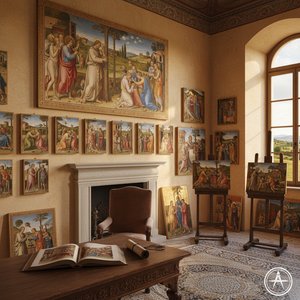
Giotto di Bondone: Top 25 mistrovských děl renesance pro váš domov | OriginalUniqueArt.com
Objevte 25 ikonických děl Giotta di Bondone – průkopníka renesance! Prozkoumejte fresky, náboženské obrazy a mistrovská díla plná emocí. Najděte umělecké reprodukce pro váš interiér na OriginalUniqueArt.com.
Top 25 uměleckých děl z Benátské bienále: Inspirace pro váš domov | OriginalUniqueArt.com
Prozkoumejte 25 ikonických uměleckých děl z Benátské bienále! Objevte příběhy slavných malířů, techniky a inspiraci pro váš interiér. Reprodukce obrazů v nejvyšší kvalitě na OriginalUniqueArt.com.

Crimson Threads of Narrative: Exploring Symbolism & Representation in Artworks Featuring the Red Dress
Explore the rich symbolism of the red dress in art history! From ancient power displays to iconic portraits like Cézanne’s 'Madame Cezanne', discover the cultural and artistic significance behind this captivating color. Expert analysis & insights.
