- Domů

- Reprodukce olejomalby
- master theoderic
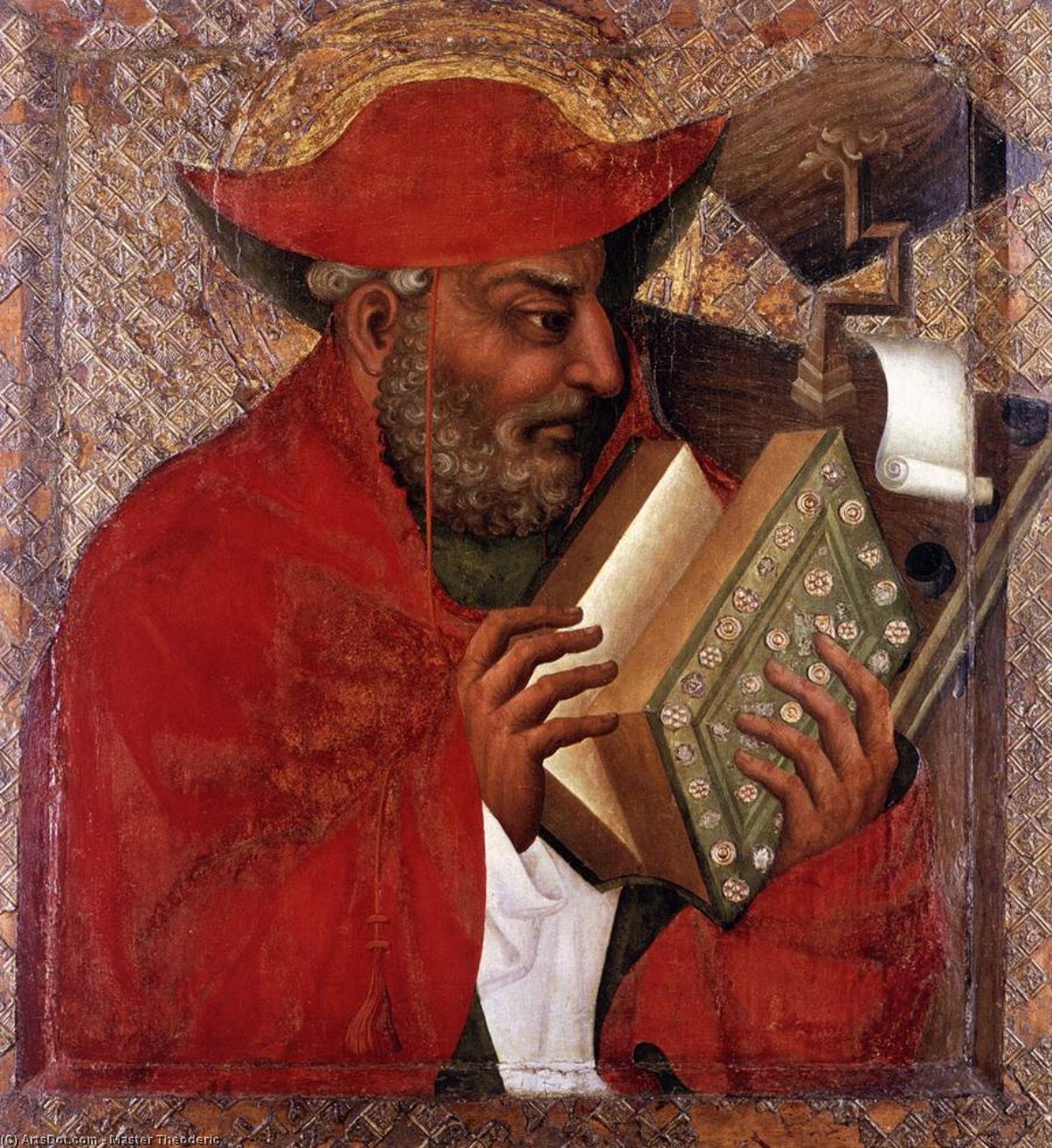
- St Jerome
 Koupit tisk Koupit digitální obrázek
 Sdílet
 Sdílet
 Podrobnosti o díle
 Přidat do oblíbených

 Stáhnout
 Podobné položky
 Rentgenové snímky
 Slideshow
St Jerome
 1360
1360 113.0 x 105.0 cm
 Národní galerie Praha
 Zobrazit více
Ručně malovaná olejová reprodukce
Ručně malovaná olejná barva na plátně ve vašem zvoleném rozměru i s rámem, vyrobená našimi umělci na zakázku.




































Vyberte si z našich přednastavených velikostí, které odpovídají původním proporcím díla.

Můžete zadat vlastní rozměry pro konkrétní rám nebo prostor. Pokud se vámi vybraná velikost neshoduje s proporcemi původního obrazu, dílo buď ořízneme, nebo jej doplníme ručně malovanými prvky. Před zahájením výroby vám bude zaslán digitální náhled ke schválení.
Upozorňujeme, že náhled na obrazovce neodpovídá skutečnému ořezu ani rozšíření. Pouze digitální náhled přesně zobrazí finální kompozici.
Ačkoliv je možné zvolit vlastní velikost, pro zachování původních proporcí doporučujeme vybrat rozměr z předdefinovaného seznamu.
Po přijetí objednávky vám tým OriginalUniqueArt.com zašle e-mail s pokyny a poskytne náhledovou verzi.
Celosvětová doprava () za 3–4 týdny namísto standardních 5 týdnů. (16 červenec). Bez kompromisů v kvalitě.

Zdarma celosvětová expresní doprava

Vysoce kvalitní lněné plátno

Kompletní přepravní pojištění

Záruka vrácení celního poplatku

Záruka přesného barevného shodu

60denní lhůta pro vrácení zboží (pouze při vadách výroby)

100% garance vrácení peněz

Sleva při hromadné objednávce
 Skleněná varianta je dostupná pouze u rozměrů menších než 110 cm

St Jerome
Technika reprodukce
Rozměry reprodukce
-


Celková cena za výběr
-
Biografie umělce
Master Theodoric: A Bohemian Pioneer of the Late Gothic
Before the rise of Renaissance grandeur, a singular artistic voice emerged from the heart of Bohemia – Master Theodoric (c. 1328-1381), a painter whose legacy continues to resonate through his breathtaking chapel decorations and evocative panel paintings. Often shrouded in mystery due to limited documentation, Theodoric stands as one of the most significant figures in late Gothic art, bridging the gap between international styles and the nascent artistic sensibilities of the 15th century. His work offers a rare glimpse into a period of profound cultural and religious transformation, reflecting both the opulent patronage of Emperor Charles IV and the evolving spirit of Bohemian identity.
Early Life and Influences – A Rhineland Roots
The precise origins of Master Theodoric remain somewhat elusive, though prevailing scholarship suggests a strong connection to the Rhineland. It’s believed he likely began his artistic training within a workshop influenced by William of Cologne, a prominent Gothic painter active in the late 14th century. This early exposure to the international Gothic style—characterized by its elegant figures, intricate details, and rich color palettes—laid the foundation for Theodoric's distinctive approach. A crucial step in his development involved a study trip to northern Italy around 1350, an experience that undoubtedly exposed him to the innovations of Florentine painting and the burgeoning Renaissance spirit, though he skillfully integrated these influences into his own unique style rather than simply imitating them.
The Chapel of the Holy Cross at Karlštejn – A Masterpiece of Devotion
The pinnacle of Theodoric’s career is undoubtedly the Chapel of the Holy Cross at Karlštejn Castle, a monumental undertaking commissioned by Emperor Charles IV. Between 1359 and 1367, he meticulously painted over one hundred panels depicting saints, prophets, and angels, creating a vast cycle of devotional imagery that remains remarkably intact to this day. This chapel is not merely a collection of paintings; it’s a profound visual narrative, showcasing Theodoric's mastery of composition, color theory, and psychological depth. The figures are rendered with an astonishing degree of realism—a departure from the stylized representations common in earlier Gothic art—while retaining a sense of ethereal beauty and spiritual intensity. The use of gold leaf to illuminate the scenes creates a luminous atmosphere that draws the viewer into the sacred space.
Technique and Style – A Synthesis of Traditions
Theodoric’s style is often described as “Soft Gothic,” a term coined by art historians to capture its unique blend of influences. He skillfully combined elements of international Gothic elegance with a growing naturalism, anticipating the stylistic shifts that would characterize the Renaissance. His drapery is particularly noteworthy—flowing and dynamic, conveying a sense of movement and volume. He employed subtle gradations of color and light to create depth and atmosphere, and his portraits are marked by an exceptional sensitivity to psychological expression. Theodoric’s work demonstrates a remarkable understanding of perspective and spatial relationships, anticipating techniques that would later be developed by Renaissance artists.
Legacy and Historical Significance – A Bohemian Icon
Despite the relative obscurity surrounding his life, Master Theodoric holds a significant place in art history. He is considered the chief representative of the “Soft style” within Bohemian Gothic painting, and his work profoundly influenced subsequent generations of artists in the region. His Chapel of the Holy Cross at Karlštejn stands as a testament to his genius—a vibrant and moving example of late Gothic devotion. Furthermore, Theodoric’s innovative approach to panel painting helped establish a distinct Bohemian artistic identity, paving the way for the development of a unique regional style that would continue to evolve in the centuries to come. His legacy endures not only through his surviving works but also through their profound impact on the trajectory of art in Central Europe.

Rychlé fakta
- Artistic Movement Or Style: International Gothic
- Artists Or Movements Influenced By This Artist: ['Bohemian School']
- Artists Who Influenced This Artist: ['William of Cologne']
- Date Of Death: c. 1381
- Full Name: Master Theodoric
- Nationality: Bohemian
- Notable Artworks:
- Chapel of Holy Cross
- Saint Catherine
- Place Of Birth: Prague, Czech Republic

