Náhled v interiéru
 Sdílet
 Sdílet
 Podrobnosti o díle
 Průvodce

 Stáhnout
 Podobné položky
 Rentgenové snímky
 Slideshow
 Q&A
Q&A Statistiky
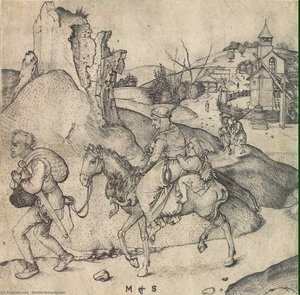
The Fourth Wise Virgin

- 122.0 x 84.0 cm


 Zobrazit více
Giclée / Umělecký tisk
Giclée nebo plátěný tisk muzeální kvality s rychlou výrobou a širokou nabídkou povrchových úprav. ( Koupit ručně malovaný obraz Přepnout na digitální obraz)




P118B Kč10

P118H Kč10

P118W Kč10

P438Z Kč10

P508JH Kč12

P508YH Kč12

P805H Kč10

P805Z Kč10

P919BZ Kč10

P919G Kč10

P919XJ Kč10

P959ZH Kč10

P968JZ Kč12

W106C Kč8

W218G Kč10

W218JH Kč8

W218Y Kč10

W307PJ Kč10

W316G Kč10

W316PJ Kč8

W316Y Kč10

W398PJ Kč8

W4111J Kč10

W500HY Kč15

W500JH Kč15

W692G Kč12

W849H Kč8

W940BG Kč15

W953PJ Kč8




Vyberte si z našich přednastavených velikostí, které odpovídají původním proporcím díla.

Zadejte šířku a výšku, které potřebujete pro váš rám nebo stěnu. Tisk lze pouze oříznout, nikdy však nelze zvětšit obraz nad jeho původní rozměr, proto při výběru jiného formátu dochází ke ztrátě části obrazu. Před samotným tiskem vám zašleme digitální náhled k schválení. Obraz zobrazený na této stránce nenabízí skutečný výřez — ten uvidíte pouze v náhledu.
Celosvětové doručení () do 2 týdnů namísto standardních 4/5 týdnů. (2 listopad)

Zdarma celosvětová expresní doprava

Vysoce kvalitní lněné plátno

Kompletní pojištění přepravy

Záruka vrácení celního poplatku

Záruka věrného barevného souladu

100dení lhůta pro vrácení zboží (pouze při vadách výroby)

100% záruka vrácení peněz

Sleva při více objednávkách
 Skleněná varianta je dostupná pouze u rozměrů menších než 110 cm

The Fourth Wise Virgin
Giclée / Umělecký tisk
Rozměry reprodukce
-


Celková cena za vybrané možnosti reprodukcí
Kč 1737
The Fourth Wise Virgin: A Glimpse into Northern Renaissance Mystery
Martin Schongauer’s “The Fourth Wise Virgin,” created around 1490, is more than just an engraving; it's a meticulously crafted window into the spiritual and artistic currents of late medieval Germany. This captivating image, housed within the National Gallery of Art in Washington D.C., draws upon both established iconography – referencing the biblical tale of the Wise Virgins – and Schongauer’s own distinctive style, blending meticulous detail with an almost haunting sense of introspection. The work immediately commands attention not through grand scale or overt drama, but through a profound quietude and a subtle layering of symbolism that invites prolonged contemplation.
Schongauer's artistic lineage is deeply rooted in the traditions of goldsmithing, a craft he likely learned from his father. This background profoundly shaped his approach to engraving – an art demanding unparalleled precision and control over line. The image’s remarkable clarity stems from Schongauer’s mastery of hatching and cross-hatching techniques, creating a sophisticated illusion of form and texture. He doesn't simply depict the figure; he sculpts her presence with carefully placed lines, imbuing the composition with an almost palpable sense of weight and volume. The use of negative space is equally crucial, drawing attention to the central subject while subtly suggesting the vastness of the surrounding world – a world both familiar and potentially perilous.
A Biblical Narrative Illuminated
The scene itself draws upon the well-known parable of the Wise and Foolish Virgins. Ten young women are preparing for the wedding of the king, each carrying a lamp filled with oil. The foolish ones neglect their duty, leaving their lamps unlit, and are subsequently barred from entering the celebration. The Fourth Virgin, depicted here in profile, embodies a serene yet subtly melancholic acceptance of her fate. Her posture is dignified, suggesting not despair but a quiet understanding of divine judgment. The candle she holds – a potent symbol of faith, enlightenment, and guidance – casts a gentle glow upon her face, illuminating her expression with an ethereal light.
Schongauer’s choice to focus on this particular virgin is intriguing. Unlike the more overtly dramatic depictions found in other prints from the series, Schongauer's rendering emphasizes introspection rather than external action. The background is deliberately sparse, devoid of elaborate details or distracting elements. This minimalist approach directs the viewer’s attention entirely onto the figure herself, amplifying her internal state and inviting us to contemplate the moral implications of the story. The composition subtly suggests a sense of isolation – a solitary figure contemplating a universal truth.
Technique and Historical Context
“The Fourth Wise Virgin” is a prime example of Northern Renaissance engraving, characterized by its meticulous detail, refined draftsmanship, and a deep engagement with both religious iconography and contemporary fashion. Schongauer’s work reflects the influence of Early Netherlandish painting, particularly the realism and attention to texture evident in the drapery and facial features. The print's creation coincided with a period of significant artistic innovation, as engravers began to explore new techniques for achieving greater tonal range and simulating the effects of paint. The use of a copper or iron plate, meticulously etched with lines using specialized tools like burins, is itself a testament to Schongauer’s technical skill.
Furthermore, the print's creation occurred during a time of intense religious fervor and social upheaval in Europe. The Reformation was gaining momentum, challenging traditional beliefs and practices. Schongauer’s work can be interpreted as a meditation on themes of faith, judgment, and redemption – timeless concerns that resonated deeply with audiences throughout the Renaissance.
A Timeless Symbol of Reflection
“The Fourth Wise Virgin” endures not merely as a beautiful engraving but as a poignant reflection on human nature. Schongauer’s masterful use of line, light, and shadow creates an image that is both visually arresting and emotionally resonant. It's a work that invites viewers to contemplate their own choices, their own faith, and their place within the larger narrative of life and death. The engraving’s quiet dignity and subtle symbolism continue to captivate audiences centuries after its creation, solidifying Schongauer’s legacy as one of the most important printmakers of the Northern Renaissance.
Otázky a odpovědi
Jakou intenzitu barev má „The Fourth Wise Virgin“ od Martin Schongauer?
Barvy v díle „The Fourth Wise Virgin“ od Martin Schongauer mají Monochromatic intenzitu.
Je „The Fourth Wise Virgin“ od Martin Schongauer portrét, krajina nebo čtvercová kompozice?
„The Fourth Wise Virgin“ od Martin Schongauer je Portrait kompozice. Před výběrem velikosti tisku je vhodné si zkontrolovat její poměry stran.
Jakou techniku bylo použito pro dílo „The Fourth Wise Virgin“ od Martin Schongauer?
„The Fourth Wise Virgin“ je dílo vytvořené v technice Engraving.
Biografie umělce
Martin Schongauer: Život a odkaz
Raný život a vzdělání
Martin Schongauer, narozen kolem roku 1450 v Kolmaru v Alsasku (dnešní Francie), představoval klíčovou postavu pro rozvoj grafiky během období severní renesance. Pocházel z řemeslnické rodiny; jeho otec, Caspar Schongace, byl zlatník, který se kolem roku 1440 přestěhoval do Kolmaru z německého Augsburgu. Toto rodinné zázemí zásadně ovlivnilo Martinův raný umělecký výcvik, neboť zlatnictví mu poskytlo pevné základy v precizním detailu a technikách zpracování kovů – dovednostech, které byly přímo přenositelné do náročného světa rytin.
Studium a umělecký rozvoj
V roce 1465 Schongauer krátce studoval na univerzitě v Lipsku, ale akademické ambice brzy opustil, aby se zcela zasvětil umění. Svůj první výcvik jako malíř absolvoval u Caspara Isenmanna, místního mistra ovlivněného ranou nizozemskou malbou, zejména dílem Rogiera van der Weydena. Právě toto brzké setkání s nizozemským realismem a důraz na detail se později staly neoddělitelnými rysy Schongauerova vlastního stylu.
Umělecký styl a vlivy
Schongauerův umělecký styl je charakteristický čistou, organizovanou gotickou estetikou, která se harmonicky prolíná s rodícími se vlivy severní renesance. Výrazně mu chyběl přímý italský vliv; místo toho čerpal inspiraci z německých a raných nizozemských tradic. Jeho dílo projevuje mimořádnou pečlivost v detailech, expresivní postavy a vysoce sofistikované chápání kompozice.
- Klíčové charakteristiky: precizní rytina, realistické zobrazení, dramatické vyprávění, gotická struktura
- Vlivy: Rogier van der Weyden, Caspar Isenmann, německé gotické tradice
Hlavní úspěchy a díla
Schongauer je nejvíce známý svých 116 rytinách, z nichž každá je opatřena jeho monogramem. Tyto grafické listy se rozšířily po celé Evropě a zásadně ovlivnily vývoj technik grafiky i uměleckých stylů. Jeho rytiny často zachycovaly náboženské scény, portréty a alegorická témata.
- Madona v růžové zahradě (1473): významný malířský kus prokazující jeho schopnost zachytit jemné detaily a emocionální hloubku.
- Rytiny: mezi ně patří například Pokoušení svatého Antonína, Pastýřská adoration a mnoho dalších děl, která demonstrují jeho naprosté mistrovství v technice rytiny.
Historický význam a odkaz
Dopad Martina Schongauera na svět umění byl nesmírný. Byl jedním z prvních německých umělců, který dosáhl mezinárodního uznání jako grafik. Jeho tisky byly vysozdávané a široce napodobované, čímž se jeho styl šířil po celé Evropě. Je dokonce zdokumentováno, že samotný Michelangelo studoval a kopíroval jednu ze Schongauerových rytin – Soud svatého Antonína – což svědčí o vysoké úctě, kterou k němu pozdější mistři vzrastem měli.
Schongauerova tvorba propojila propast mezi gotickým uměním a renesancí a připravila cestu umělcům jako Albrecht Dürer. Jeho inovativní využívání technik rytiny a oddanost uměleckému detailu zanechaly trvalou stopu v historii grafiky a evropského severního umění.
Smrt
Martin Schongauer zemřel v Breisachu dne 2. února 1491. Zanechal po sobě mimořádné dílo, které je i dnes oslavováno pro svou uměleckou hodnotu a historický význam.

Martin Schongauer
1450 - 1491 , Francie
Rychlé informace o umělci
- Artistic Movement Or Style: Gothický
- Artists Or Movements Influenced By This Artist: ['Albrecht Dürer']
- Artists Who Influenced This Artist:
- Rogier van der Weyden
- Caspar Isenmann
- Date Of Birth: c. 1450–53
- Date Of Death: 1491
- Full Name: Martin Schongauer
- Nationality: Alsasko-německý
- Notable Artworks:
- Madona v růžové zahradě
- Temptace sv. Antonína
- Place Of Birth: Colmar, Německá
Související články

10 legendárních гравюр, které změnily umění navždy | OriginalUniqueArt
Prozkoumejte 10 legendárních гравюр od Rembrandta, Dürera a Goyi. Objevte příběhy mistrů, techniky rytiny a umělecké dědictví baroka i renesance. Reprodukce obrazů pro váš interiér na OriginalUniqueArt.com

Hendrick Goltzius: Master Engraver & the Flourishing of Dutch Mannerism
Explore the life & art of Hendrick Goltzius, a master engraver of Dutch Mannerism. Discover his innovative techniques, iconic engravings like 'Jahel', and lasting influence on Baroque art. Learn about collecting Goltzius today.

The Art of Engraving: Mastering Precision and Detail in the Intaglio Tradition
Explore the profound mastery of engraving and intaglio printmaking. Delve into the rich history, technical precision of the burin, and the enduring legacy of fine art techniques that shaped the world's most iconic masterpieces.

The Intricate World of Engraving: A Historical Survey of Technique, Artistic Expression & Enduring Legacy
Explore the rich history of engraving with OriginalUniqueArt. Discover techniques, iconic artists like Dürer & Callot, collecting tips, and expert guidance for preserving your art investment. Learn about intaglio printing & more!

Engraving: A Historical Survey of Technique, Artistic Expression & Enduring Legacy
Explore the rich history of engraving with OriginalUniqueArt. Discover techniques, iconic artists like Dürer & Callot, collecting tips, and expert guidance for preserving your art investment. Learn about intaglio printing & more!