Zobrazit v interiéru
 Odeslat
 Sdílet
 Podrobnosti
 Průvodce

 Stáhnout obrázek
 Podobné kousky
 Rentgenové snímky
 Slideshow
 Statistiky
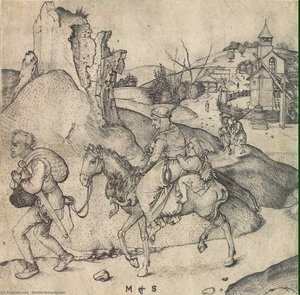
Nativity
 Oil On Canvas
- WallArt
- Northern Renaissance
 1480
1480- Renaissance
 37.0 x 28.0 cm
 Staatliche Museen zu Berlin
 Přečíst si více
Giclée / Umělecký tisk
Giclée nebo plátěný tisk muzeální kvality s rychlou výrobou a širokou nabídkou povrchových úprav. ( Objednat ručně malovanou reprodukci Přepnout na digitální verzi obrazu)




P118B Kč10

P118H Kč10

P118W Kč10

P438Z Kč10

P508JH Kč12

P508YH Kč12

P805H Kč10

P805Z Kč10

P919BZ Kč10

P919G Kč10

P919XJ Kč10

P959ZH Kč10

P968JZ Kč12

W106C Kč8

W218G Kč10

W218JH Kč8

W218Y Kč10

W307PJ Kč10

W316G Kč10

W316PJ Kč8

W316Y Kč10

W398PJ Kč8

W4111J Kč10

W500HY Kč15

W500JH Kč15

W692G Kč12

W849H Kč8

W940BG Kč15

W953PJ Kč8




Vyberte si z našich přednastavených velikostí, které odpovídají původním proporcím díla.

Můžete zadat vlastní rozměry tak, aby výtvor odpovídal konkrétnímu rámu nebo prostoru. Pokud zvolená velikost nebude odpovídat poměru stran původního obrazu, dílo buď ořížeme, nebo obraz rozšíříme pomocí zrcadlového efektu či jednobarevného okraje. Před zahájením výroby vám bude zaslán digitální náhled k schválení.
Mějte prosím na paměti, že náhled na obrazovce neodráží skutečné oříznutí nebo rozšíření. Pouze digitální náhled přesně zobrazí finální kompozici.
Ačkoliv jsou k dispozici i vlastní rozměry, pro zachování původních proporcí doporučujeme vybrat si rozměr z předdefinovaného seznamu.
Celosvětové doručení () do 2 týdnů namísto standardních 4/5 týdnů. (12 říjen)

Zdarma celosvětová expresní doprava

Vysoce kvalitní lněné plátno

Úplné pojištění přepravy

Záruka vrácení celního poplatku

Záruka věrného barevného shodu

100dení lhůta pro vrácení zboží (pouze při vadách výroby)

100% garance vrácení peněz

Sleva při více objednávkách
 Skleněná varianta je dostupná pouze u rozměrů menších než 110 cm

Nativity
Giclée / Umělecký tisk
Velikost reprodukce
-


Celková cena
Kč 1672
A Moment of Divine Grace: Martin Schongauer's Nativity
Martin Schongauer’s “Nativity,” painted around 1480, is more than just a depiction of the biblical story; it’s a profound meditation on faith, humility, and the quiet majesty of the divine. Executed in meticulous detail with the characteristic precision of Northern Renaissance art, this work offers a deeply moving glimpse into the heart of Christian belief. Measuring 37 x 28 cm, its intimate scale invites viewers to contemplate the scene with focused attention, drawing them into the sacred narrative.
- The Scene: The painting portrays the traditional Nativity – Mary kneeling in reverence before Joseph, who cradles the infant Jesus. The presence of animals—two cows and three horses—is not merely decorative; it’s laden with symbolic weight. Animals were often associated with Christ's humility and sacrifice, mirroring the creatures present at his crucifixion.
- Schongauer’s Technique: Schongauer was a master printmaker, and this painting reflects his extraordinary skill in engraving. His meticulous attention to detail is evident in every brushstroke, from the delicate folds of Mary’s robes to the textured fur of the animals. The use of oil paint allowed for subtle gradations of tone and color, creating a remarkable sense of realism and depth.
A Window into the Northern Renaissance
Schongauer's work stands as a pivotal example of the artistic currents flowing through the Northern Renaissance. Influenced by Early Netherlandish masters like Rogier van der Weyden, he embraced a style characterized by its realism, emotional intensity, and meticulous observation of nature. Unlike the idealized forms often found in Italian art of the period, Schongauer’s figures possess a tangible humanity – their expressions conveying a sense of vulnerability and devotion. The painting's composition reflects the influence of panel painting traditions prevalent at the time, emphasizing narrative clarity and symbolic resonance within a carefully structured space.
- Historical Context: Created around 1480, this “Nativity” emerged during a period of significant religious and intellectual ferment. The rise of humanism was challenging traditional dogma, while simultaneously fostering a renewed appreciation for classical learning and artistic achievement. Schongauer’s work embodies this tension – a devout expression of Christian faith rendered with the highest standards of technical skill.
- The Artist's Background: Born in Augsburg, Germany, Martin Schongauer inherited his father’s goldsmithing skills, which profoundly shaped his artistic approach. This training instilled in him an unparalleled ability to render intricate detail and texture, a hallmark of his work. His early apprenticeship with Caspar Isenmann further honed his technical abilities and exposed him to the prevailing artistic trends of the time.
Symbolism and Emotional Resonance
Beyond its technical brilliance, “Nativity” resonates deeply through its carefully considered symbolism. The arrangement of figures—Mary’s kneeling posture, Joseph’s protective embrace of Jesus—evokes a sense of reverence and guardianship. The animals, representing innocence and humility, underscore the central themes of the Nativity: the arrival of the Messiah as a humble servant. The painting's emotional impact is palpable – it invites viewers to contemplate the miracle of birth, the promise of salvation, and the profound love at the heart of the Christian faith. It’s a scene brimming with quiet dignity and spiritual significance.
A Timeless Masterpiece
This hand-painted reproduction captures the essence of Schongauer's masterpiece, offering an exceptional opportunity to bring this iconic work of art into your home or office. Its dimensions (37 x 28 cm) make it suitable for a variety of spaces, while its enduring beauty and profound symbolism ensure that it will remain a cherished addition to any collection. A testament to Schongauer’s genius, this reproduction allows you to experience the power and grace of this timeless depiction of the Nativity.
Otázky a odpovědi
Je pro dílo „Nativity“ k dispozici stažení?
Digitální verzi díla „Nativity“ od Martin Schongauer si můžete stáhnout na stránce Stáhnout jako stažení digitálního obrazu ve vysokém rozlišení.
Jaká je technika a rozměry díla „Nativity“ od Martin Schongauer?
Originální dílo „Nativity“ od Martin Schongauer je práce typu Oil On Canvas o rozměrech 37 x 28 cm. Technika a velikost popisují originální objekt.
Jakou celkovou náladu vyzařuje dílo „Nativity“ od Martin Schongauer?
Dílo „Nativity“ od Martin Schongauer je v náladě popsáno jako Calm. Tato klasifikace může pomoci při zařazení díla do konkrétního prostředí.
Do kterého směru a do jaké éry spadá dílo „Nativity“ od Martin Schongauer?
V díle „Nativity“ od Martin Schongauer se setkává směr Northern Renaissance s érou Renesance.
Kde najdu průvodce k dílu "Nativity"?
Pro dílo „Nativity“ od Martin Schongauer je k dispozici stránka Průvodce: tiskem připravený informační list o uměleckém díle, navržený pro studenty a použití ve výuce.
Kdo je autorem díla "Nativity"?
Dílo "Nativity" vytvořil/a Martin Schongauer. Informace na této stránce popisují originální dílo umělce Martin Schongauer.
Jaká velikost reprodukce se doporučuje pro dílo „Nativity“ od Martin Schongauer?
Pro dílo „Nativity“ od Martin Schongauer se doporučuje reprodukce ve velikosti Medium. Velikost lze upravit při zachování původních proporcí.
Jakou náladu a emoce v sobě spojuje dílo "Nativity"?
„Nativity“ od Martin Schongauer vyvolává Spiritual pocit v rámci celkové Calm nálady.
Biografie umělce
Martin Schongauer: Život a odkaz
Raný život a vzdělání
Martin Schongauer, narozen kolem roku 1450 v Kolmaru v Alsasku (dnešní Francie), představoval klíčovou postavu pro rozvoj grafiky během období severní renesance. Pocházel z řemeslnické rodiny; jeho otec, Caspar Schongace, byl zlatník, který se kolem roku 1440 přestěhoval do Kolmaru z německého Augsburgu. Toto rodinné zázemí zásadně ovlivnilo Martinův raný umělecký výcvik, neboť zlatnictví mu poskytlo pevné základy v precizním detailu a technikách zpracování kovů – dovednostech, které byly přímo přenositelné do náročného světa rytin.
Studium a umělecký rozvoj
V roce 1465 Schongauer krátce studoval na univerzitě v Lipsku, ale akademické ambice brzy opustil, aby se zcela zasvětil umění. Svůj první výcvik jako malíř absolvoval u Caspara Isenmanna, místního mistra ovlivněného ranou nizozemskou malbou, zejména dílem Rogiera van der Weydena. Právě toto brzké setkání s nizozemským realismem a důraz na detail se později staly neoddělitelnými rysy Schongauerova vlastního stylu.
Umělecký styl a vlivy
Schongauerův umělecký styl je charakteristický čistou, organizovanou gotickou estetikou, která se harmonicky prolíná s rodícími se vlivy severní renesance. Výrazně mu chyběl přímý italský vliv; místo toho čerpal inspiraci z německých a raných nizozemských tradic. Jeho dílo projevuje mimořádnou pečlivost v detailech, expresivní postavy a vysoce sofistikované chápání kompozice.
- Klíčové charakteristiky: precizní rytina, realistické zobrazení, dramatické vyprávění, gotická struktura
- Vlivy: Rogier van der Weyden, Caspar Isenmann, německé gotické tradice
Hlavní úspěchy a díla
Schongauer je nejvíce známý svých 116 rytinách, z nichž každá je opatřena jeho monogramem. Tyto grafické listy se rozšířily po celé Evropě a zásadně ovlivnily vývoj technik grafiky i uměleckých stylů. Jeho rytiny často zachycovaly náboženské scény, portréty a alegorická témata.
- Madona v růžové zahradě (1473): významný malířský kus prokazující jeho schopnost zachytit jemné detaily a emocionální hloubku.
- Rytiny: mezi ně patří například Pokoušení svatého Antonína, Pastýřská adoration a mnoho dalších děl, která demonstrují jeho naprosté mistrovství v technice rytiny.
Historický význam a odkaz
Dopad Martina Schongauera na svět umění byl nesmírný. Byl jedním z prvních německých umělců, který dosáhl mezinárodního uznání jako grafik. Jeho tisky byly vysozdávané a široce napodobované, čímž se jeho styl šířil po celé Evropě. Je dokonce zdokumentováno, že samotný Michelangelo studoval a kopíroval jednu ze Schongauerových rytin – Soud svatého Antonína – což svědčí o vysoké úctě, kterou k němu pozdější mistři vzrastem měli.
Schongauerova tvorba propojila propast mezi gotickým uměním a renesancí a připravila cestu umělcům jako Albrecht Dürer. Jeho inovativní využívání technik rytiny a oddanost uměleckému detailu zanechaly trvalou stopu v historii grafiky a evropského severního umění.
Smrt
Martin Schongauer zemřel v Breisachu dne 2. února 1491. Zanechal po sobě mimořádné dílo, které je i dnes oslavováno pro svou uměleckou hodnotu a historický význam.

Martin Schongauer
1450 - 1491 , Francie
Rychlé informace
- Artistic Movement Or Style: Gothický
- Artists Or Movements Influenced By This Artist: ['Albrecht Dürer']
- Artists Who Influenced This Artist:
- Rogier van der Weyden
- Caspar Isenmann
- Date Of Birth: c. 1450–53
- Date Of Death: 1491
- Full Name: Martin Schongauer
- Nationality: Alsasko-německý
- Notable Artworks:
- Madona v růžové zahradě
- Temptace sv. Antonína
- Place Of Birth: Colmar, Německá
Související články
High Medieval Art: 10 Masterpieces That Shaped an Era | OriginalUniqueArt
Journey through High Medieval Art! Explore 10 iconic masterpieces – from Giotto's frescoes to stunning Gothic cathedrals. Discover the stories behind these timeless paintings, sculptures & illuminated manuscripts. Find museum-quality art reproductions at OriginalUniqueArt.com.

The Intricate World of Engraving: A Historical Survey of Technique, Artistic Expression & Enduring Legacy
Explore the rich history of engraving with OriginalUniqueArt. Discover techniques, iconic artists like Dürer & Callot, collecting tips, and expert guidance for preserving your art investment. Learn about intaglio printing & more!

Engraving: A Historical Survey of Technique, Artistic Expression & Enduring Legacy
Explore the rich history of engraving with OriginalUniqueArt. Discover techniques, iconic artists like Dürer & Callot, collecting tips, and expert guidance for preserving your art investment. Learn about intaglio printing & more!
10 legendárních гравюр, které změnily umění navždy | OriginalUniqueArt
Prozkoumejte 10 legendárních гравюр od Rembrandta, Dürera a Goyi. Objevte příběhy mistrů, techniky rytiny a umělecké dědictví baroka i renesance. Reprodukce obrazů pro váš interiér na OriginalUniqueArt.com

The Northern Renaissance: A Flourishing of Realism, Religious Reform & Artistic Innovation
Explore the Northern Renaissance! Discover Jan van Eyck's innovations, religious shifts, & key artists of this influential period. Expert analysis and insights into Early Netherlandish painting at OriginalUniqueArt.