
 Náhled v interiéru
 Sdílet
 Sdílet
 Podrobnosti o díle
 Průvodce

 Stáhnout
 Podobné položky
 Rentgenové snímky
 Slideshow
 Otázky a odpovědi
 Statistiky
No Interviews, Please

- 30.0 x 22.0 cm


 Zobrazit více
Získejte soubor připravený k tisku, který svou kvalitou výrazně převyšuje webový náhled. Každý prodávaný digitální obraz pochází z vysokorozlišeného originálu v naší databázi – obvykle o šířce 5 000 až 15 000 pixelů – díky čemuž můžete tisknout ve velkém formátu, provádět těsný střih nebo si s jistotou užít i ty nejjemnější detaily.
Žádný soubor neopustí naše studio bez úprav. Digitální expert kontroluje barvy v porovnání s původním malířským dílem a v případě potřeby je upravuje, poté pomocí profesionálních nástrojů pro retuš zvyšuje ostrost a detailnost — přičemž vždy zůstává věrný tahům štětcem a stylu umělce. Výsledkem je obraz, který vypadá jako malba, nikoliv jako naskenovaný snímek s filtrem.
Schvalování před dokončením: náš expert vám do 72 hodin zašle obraz e-mailem k revizi. Nejsste spokojeni? Můžete požádat o úpravy či opravy, nebo si můžete vyžádat vrácení peněz, pokud kvalita neodpovídá vašim očekáváním.
Tuto kvalitu využívají vydavatelství, designová studia, galerie i tiskárny.
Digitální obrazy
Stáhněte si soubor ve vysokém rozlišení pro osobní prohlížení, tisk nebo kreativní projekty. ( Přepnout na tisk Koupit ručně malovaný obraz)
Součást každé objednávky digitálního obrazu
Profesionální digitální doručení, zaručené
Když si vyberete OriginalUniqueArt.com, nezískáváte pouze obrázek – získáváte digitální umělecké dílo s profesionálně vylepšenými detaily, zpracované s precizností a podpořené zárukou za spokojenost. Zde je vše, co vaše objednávka automaticky obsahuje:

Rychlé doručení e-mailem
Váš digitální obraz ve vysokém rozlišení vám bude zaslán e-mailem do 72 hodin od objednávky – připraven k okamžitému použití.

Digitální soubor s využitím AI
Vaše umělecké dílo je profesionálně optimalizováno pomocí pokročilých nástrojů umělé inteligence a manuální úpravy, což zajišťuje maximální úroveň detailu, ostrosti a přesnosti barev.

Doživotní bezplatné znovuodeslání digitálních obrazů
Soubor jste omylem smazali nebo ztratili? Žádný problém – kdykoliv vám ho znovu zašleme zcela zdarma.

Bez poplatků za dovoz – navždy
Užijte si své umělecké dílo okamžitě bez celních poplatků, daní nebo nákladů na dopravu – digitální stažení je vždy bez daňových povinností.

Záruka přesnosti barev
Díky profesionálním nástrojům a správě barev zajišťujeme, aby váš digitální obraz odrážel původní barvy co nejvěrněji.

100dená záruka spokojenosti
Pokud nebudete s digitálním obrázkem spokojeni, provedeme jeho revizi nebo vám vrátíme 100% platby do 100 dnů – bez jakýchkoliv dotazů.

100% záruka vrácení peněz
Nespokojeni? Získejte plnou náhradu peněz do 100 dnů od obdržení digitálního souboru – bez zbytečných dotazů.

Slevy při hromadných objednávkách
Koupě 3 obrazů ušetří 10% – Koupě 5 obrazů ušetří 15% – Koupě 10+ obrazů ušetří 20%. Ideální pro kreativní projekty, galerie a agentury.
A Window into Emotion: Exploring Marlene Dumas's Artistic Vision
Marlene Dumas (b. 1953) stands as a singular voice in contemporary art—a painter whose work transcends mere visual representation, delving into the depths of human experience with unflinching honesty and profound sensitivity. Her oeuvre is characterized by a distinctive approach: she eschews grand narratives or overtly expressive gestures, instead favoring meticulously crafted portraits that capture fleeting moments of emotion and subtly convey complex psychological states.
- Subject Matter: Dumas’s subjects—often anonymous figures—are presented with remarkable immediacy. These aren't idealized representations but raw glimpses into human vulnerability, confronting viewers with uncomfortable truths about identity and perception.
- Style: Her style leans heavily toward Minimalism, prioritizing stark simplicity in composition and color palettes. This deliberate restraint serves to amplify the emotional impact of her images, forcing us to confront the unspoken narratives residing beneath the surface.
Acrylic on Paper: Technique and Texture
Dumas’s favored medium is acrylic paint applied onto paper—a choice that lends itself beautifully to capturing subtle textures and tonal variations. The artist employs a technique of layering thin washes of color, often combined with pencil sketches or crayon marks, creating surfaces that appear deceptively calm yet harbor considerable depth.
- Material Choice: The use of paper is significant; it embodies fragility and impermanence—themes recurrent throughout Dumas’s artistic explorations.
- Layering Technique: Her meticulous layering process allows for nuanced gradations of color, mirroring the complexities of human emotion and memory.
Echoes of Apartheid and Sociopolitical Reflection
Born in Cape Town during the era of apartheid—a period marked by institutionalized racial segregation and oppression—Dumas’s formative years instilled within her a deep awareness of social injustice. This experience profoundly informs her artistic vision, prompting her to grapple with questions of race, sexuality, and the psychological burden of existence.
Early Influences: Her upbringing on her father's vineyard witnessed firsthand the divisions inherent in South African society—a landscape simultaneously beautiful and scarred by history. This early exposure fueled her desire to portray human subjects not as symbols of societal ideals but as individuals grappling with their own internal struggles.Symbolism Beyond Surface Appearance
Despite its apparent simplicity, Dumas’s work is laden with symbolic resonance. The portraits themselves serve as conduits for exploring themes of loss, longing, and unspoken desires—capturing the elusive essence of human experience. Her images invite contemplation and provoke questions about how we perceive ourselves and our relationships to others.
- Recurring Motifs: Recurring motifs—such as fragmented faces and ambiguous gestures—suggest a preoccupation with the fractured nature of identity and the difficulty of articulating emotion.
- Emotional Resonance: Ultimately, Dumas’s art succeeds in conveying a palpable sense of melancholy and vulnerability—a testament to her ability to capture the profound emotional truths that lie beneath the veneer of everyday life.
Otázky a odpovědi
Kde mohu najít umělecká díla podobná dílu „No Interviews, Please“ od Marlene Dumasová?
Podobná díla k "No Interviews, Please" naleznete na stránce Podobná díla tohoto díla.
Kde si mohu stáhnout obrázek díla „No Interviews, Please“ od Marlene Dumasová?
Pro dílo „No Interviews, Please“ je k dispozici stažení: na stránce Stažení digitální verze si můžete pořídit stažení digitálního obrazu ve vysokém rozlišení.
Mohu si před koupí prohlédnout „No Interviews, Please“ od Marlene Dumasová na své vlastní stěně?
Stránka Náhled v rozšířené realitě pro dílo „No Interviews, Please“ od Marlene Dumasová využívá rozšířenou realitu k tomu, abyste si toto umělecké dílo mohli pomocí kompatibilního zařízení prohlédnout přímo ve svém vlastním prostoru.
Biografie umělce
A Life Shaped by Landscape and Sociopolitical Currents
Marlene Dumas, born in 1953 in Cape Town, South Africa, is a painter whose work resonates with an emotional depth rarely encountered in contemporary art. Her upbringing amidst the stark realities of apartheid profoundly shaped her artistic vision, instilling within her a keen awareness of social injustice and the complexities of human identity. Growing up on her father’s vineyard in Kuils River, she witnessed firsthand the divisions and inequalities that defined South African society during those years—a landscape both beautiful and burdened by history. This early exposure to a fractured world would become a recurring theme throughout her career, informing her exploration of race, sexuality, and the psychological weight of existence. Dumas’s formal artistic journey began at the University of Cape Town in 1972, where she pursued a Bachelor of Fine Arts degree alongside studies in ethics. This combination proved crucial, laying the groundwork for an art practice deeply concerned with moral questions and the human condition. She later continued her education at Ateliers ’63 in Haarlem, Netherlands, relocating to Amsterdam in 1976—a move that marked a significant shift in both her geographical location and artistic perspective. Further academic pursuits in psychology at the University of Amsterdam between 1979-1980 would further refine her ability to portray inner states with remarkable sensitivity.The Evolution of a Distinctive Style
Dumas’s artistic development has been characterized by a constant questioning of representation and a willingness to confront difficult subjects. Her early work directly addressed the political climate of apartheid, reflecting her identity as a white woman grappling with the moral implications of living within a system of racial segregation. However, she quickly moved beyond purely political statements, delving into more universal themes of human vulnerability, desire, and loss. Influenced by the emotional intensity of Romanticism—particularly artists like Egon Schiele and Francis Bacon—Dumas developed a distinctive style marked by loose brushstrokes, distorted figures, and an evocative use of color. She often begins her paintings with source material gathered from diverse origins: Polaroid photographs, magazine clippings, even pornographic imagery. These images are not simply copied but rather serve as starting points for explorations of feeling and memory. Her technique is notable for its layering—a wet-on-wet approach that builds depth and texture through the interplay of thin and thick paint. This creates a sense of fluidity and ambiguity, mirroring the complexities of the emotions she seeks to convey. The resulting images are often hauntingly beautiful, simultaneously alluring and unsettling.Themes of Identity, Sexuality, and the Human Condition
At the heart of Dumas’s work lies an unwavering commitment to exploring the intricacies of human experience. Her subjects range widely—from portraits of friends and lovers to depictions of children, strippers, and figures drawn from popular culture. However, these are never mere representations; they are vehicles for investigating deeper psychological states. Race, sexuality, identity, violence, guilt, innocence – these are all recurring themes in her oeuvre, approached with a rare degree of honesty and nuance. Dumas’s paintings often challenge conventional notions of beauty and desirability, exposing the vulnerabilities and contradictions inherent in human relationships. She is particularly interested in the ways in which bodies are constructed and perceived—how they become sites of both pleasure and pain, power and oppression. Her work frequently engages with issues of representation, questioning who has the right to look at whom and what implications arise from that gaze. This critical perspective extends to her own artistic practice, as she acknowledges the inherent limitations and ethical challenges of portraying others.Recognition and Lasting Impact
Marlene Dumas’s contributions to contemporary art have been widely recognized through numerous exhibitions and accolades. A significant milestone was her first major American museum exhibition, “Measuring Your Own Grave,” which opened at the Museum of Contemporary Art, Los Angeles in 2008 and subsequently traveled to the Museum of Modern Art, New York City. This retrospective solidified her position as a leading figure in contemporary painting. Her market success has also been remarkable; in 2004, *Jule-die Vrou* (1985) sold for over $1 million, establishing her as one of only three living female artists to achieve such a price point at the time. More recently, *The Schoolboys* (1986–87) reached an astounding $9 million at Art Basel Miami Beach in 2023, and *Miss January* (1997) shattered records in May 2025 at Christie’s—a new high for a living female artist. Represented by the prestigious David Zwirner Gallery since 2008, Dumas continues to exhibit internationally and inspire a new generation of artists. Her influence extends beyond the realm of painting; she has challenged conventional notions of portraiture and encouraged a more critical engagement with social and political issues within art. Dumas’s legacy lies in her ability to create works that are both deeply personal and universally resonant—paintings that confront us with our own vulnerabilities, desires, and prejudices.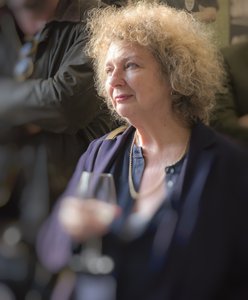
Marlene Dumasová
1953 - , Jižní Afrika
Stručné informace
- Artistic Movement Or Style: Romanticismus, Figurativní malba
- Artists Who Influenced This Artist:
- Egon Schiele
- Francis Bacon
- Date Of Birth: 1953
- Full Name: Marlene Dumasová
- Nationality: Jižní Afrika
- Notable Artworks:
- Učitelka
- Untitled (681)
- Untitled (830)
- Jule-die Vrou
- The Schoolboys
- Place Of Birth: Kapské Město