Zobrazit více







































 U děl nebo reprodukcí, u nichž je jakákoliv strana větší než 105 cm (přibližně 41 palců), bude rám dodán jako sestava v rozloženém stavu. Tato metoda zajišťuje bezpečné doručení a chrání dílo před poškozením během přepravy.


A Study in Somber Hue: The Emotional Depth of Rothko’s Untitled
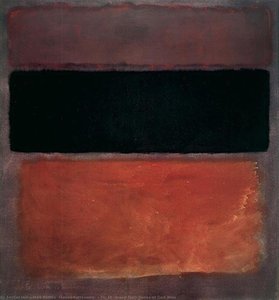
Mark Rothko's "Untitled," completed in 1955, stands as a cornerstone of Color Field painting and embodies the anxieties of its time—a testament to both personal trauma and the broader existential concerns that gripped mid-century artistic discourse. Measuring an impressive 268 x 236 cm, this canvas immediately commands attention with its deceptively simple composition: a bold red square bisected by black borders. Yet, within this apparent minimalism lies a depth of emotion and intellectual rigor that continues to fascinate scholars and collectors alike. The painting presents a powerful encounter where the viewer is met with a striking visual drama, as the stark, deep black borders act as an infinite void, pushing the luminous red form toward the foreground.
The genesis of this work is deeply rooted in Rothko’s own history, shaped by the turbulent backdrop of his early life in Latvia and the subsequent cultural shifts following his relocation to Portland, Oregon. Witnessing firsthand the horrors of pogroms instilled within him an unwavering empathy for human suffering—a sensibility that would permeate his entire oeuvre. These experiences fueled a lifelong preoccupation with themes of mortality, trauma, and the elusive quest for meaning, finding eloquent expression in this rejection of traditional representational conventions. Through this piece, Rothko moves away from the figurative to seek instead a way to express universal human emotions through the potent language of color.
Technique, Symbolism, and the Language of Color
Rothko’s method was deliberately reductive, prioritizing color over form to achieve his signature effect. He achieved this through layering thin washes of pigment onto linen canvases, building up translucent blocks of color to create luminous rectangles that appear to bleed into one another. This technique—described by Rothko himself as “painting with feeling”—was painstakingly executed, demanding immense patience and precision. The black borders serve not merely as framing elements but as crucial components of the visual experience, intensifying the colors and creating a sense of enclosure that contributes to the painting’s contemplative atmosphere.
The deliberate choice of red and black is laden with profound symbolic significance. Rothko consistently employed these hues to convey intense emotional states—passion, grief, and despair—without resorting to explicit imagery. Red, often associated with vitality and primal instinct, represents the vibrancy of life’s energy, while simultaneously hinting at its vulnerability and eventual demise. Conversely, black embodies darkness, silence, and the inevitability of death. The juxtaposition of these colors within the square creates a dynamic tension that mirrors the complexities of human existence. For the discerning collector or interior designer, this artwork offers a captivating focal point; its ability to command attention through monochromatic intensity while maintaining a soft, inviting atmosphere makes it an ideal centerpiece for spaces designed for reflection, luxury, or quiet sophistication.
Otázky a odpovědi
Je dílo Untitled ručně malované, nebo jde o tisk?
Ručně malováno: zkušený malíř přetvoří Untitled v olejomalbu na lněném plátně.
Jakou velikost si mám vybrat pro Untitled?
Rozměry originálu jsou 268 x 236 cm. Velikosti se pohybují od 33.6 x 29.7 cm (Kč4365) až po 244.1 x 215.8 cm (Kč41799); v tabulce na této stránce jsou uvedeny jednotlivé varianty a jejich ceny.
Jak dlouho trvá doručení?
Doručení trvá 4 až 5 týdnů a zahrnuje bezplatné expresní přepravu po celém světě; na této stránce je k dispozici i možnost urgentní výroby. Dílo můžete vrátit během 100 dnů za plné vrácení peniędzy, bez jakýchkoliv podmínek.
Jakou techniku použil/a Mark Rothko pro dílo Untitled?
Oil On Canvas
 Náhled v interiéru

 Sdílet
 Sdílet
 Podrobnosti o díle
 Průvodce


 Stáhnout
 Podobné položky
 Rentgenové snímky
 Slideshow
 Otázky a odpovědi

 Statistiky