Náhled
 Sdílet
 Sdílet
 Podrobnosti o díle

 Stáhnout
 Podobné položky
 Rentgenové snímky
 Slideshow
 Statistiky
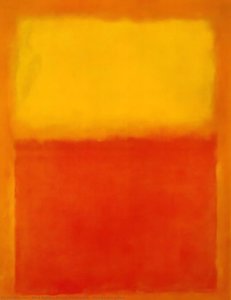
Untitled 134

 Zobrazit více
Giclée / Umělecký tisk
Giclée nebo plátěný tisk muzeální kvality s rychlou výrobou a flexibilními možnostmi povrchové úpravy. ( Koupit ručně malovaný obraz Přepnout na digitální obraz)




P118B $10

P118H $10

P118W $10

P438Z $10

P508JH $12

P508YH $12

P805H $10

P805Z $10

P919BZ $10

P919G $10

P919XJ $10

P959ZH $10

P968JZ $12

W106C $8

W218G $10

W218JH $8

W218Y $10

W307PJ $10

W316G $10

W316PJ $8

W316Y $10

W398PJ $8

W4111J $10

W500HY $15

W500JH $15

W692G $12

W849H $8

W940BG $15

W953PJ $8




Vyberte si z našich přednastavených velikostí, které odpovídají původním proporcím díla.

Můžete zadat vlastní rozměry tak, aby výtvor odpovídal konkrétnímu rámu nebo prostoru. Pokud zvolená velikost nebude odpovídat poměru stran původního obrazu, dílo buď ořížeme, nebo obraz rozšíříme pomocí zrcadlového efektu či jednobarevného okraje. Před zahájením výroby vám bude zaslán digitální náhled k schválení.
Mějte prosím na paměti, že náhled na obrazovce neodráží skutečné oříznutí nebo rozšíření. Pouze digitální náhled přesně zobrazí finální kompozici.
Ačkoliv jsou k dispozici i vlastní rozměry, pro zachování původních proporcí doporučujeme vybrat si rozměr z předdefinovaného seznamu.
Celosvětové doručení () do 2 týdnů namísto standardních 4/5 týdnů. (9 září)

Zdarma celosvětová expresní doprava

Vysoce kvalitní lněné plátno

Kompletní přepravní pojištění

Záruka vrácení celního poplatku

Záruka přesného barevného shodu

100dená lhůta pro vrácení zboží (pouze při vadách)

100% garance vrácení peněz

Sleva při hromadné objednávce
 Skleněná varianta je dostupná pouze u rozměrů menších než 110 cm

Untitled 134
Giclée / Umělecký tisk
Rozměry reprodukce
-


Celková cena za výběr
$ 80
A Symphony of Blue and Yellow: Decoding Mark Rothko’s Untitled 134
The painting “Untitled 134” by Mark Rothko is more than just a visual arrangement; it's an invitation to contemplate the very essence of emotion. Presented as a deceptively simple square dominated by deep indigo, punctuated by horizontal bands of vibrant yellow, this artwork embodies the core tenets of Color Field Painting and speaks volumes about the artist’s preoccupation with existential concerns. Its understated elegance belies a complex tapestry of ideas woven into its chromatic harmony.The Genesis of Calm: Rothko's Early Influences
Mark Rothko’s artistic journey began amidst turbulent circumstances—the anxieties surrounding Jewish identity in Latvia during his formative years and the profound grief experienced after the untimely death of his father. These experiences instilled within him a sensitivity to human suffering, shaping his worldview and informing his artistic vision. The relocation to Portland, Oregon, marked not merely a geographical change but also a collision with new cultural landscapes, fostering an ongoing dialogue between tradition and modernity. This early exposure to loss fueled a lifelong exploration of themes related to mortality and the quest for meaning—themes that would permeate his oeuvre.Color Field Painting: A Radical Departure
Rothko’s approach to painting represents a dramatic departure from representational art. Rejecting illusionistic techniques, he embraced Color Field Painting, prioritizing pure color as its primary expressive element. Unlike traditional landscapes or portraits, Rothko's canvases eschewed detailed depiction in favor of expansive blocks of pigment—often described as “stained glass windows”—allowing viewers to immerse themselves in the emotional resonance of the hues themselves. This technique sought to bypass intellectual analysis and tap directly into primal feelings, mirroring the artist’s belief that color could communicate ideas beyond language.Symbolism Within Simplicity: Interpreting the Blue Square
The dominant blue square in “Untitled 134” is not merely a pigment choice; it functions as a conduit for conveying profound psychological states. Rothko himself famously stated that he wished to evoke "a sense of calm," and the deep indigo hue achieves precisely this effect. Simultaneously, the yellow stripes serve as counterpoints—horizontal bands of luminosity that disrupt the stillness of the blue, suggesting fleeting moments of joy or remembrance. These contrasting colors symbolize duality – darkness and light, sorrow and hope – reflecting the artist’s contemplation of human experience.A Legacy of Emotional Resonance
“Untitled 134” stands as a testament to Rothko's unwavering commitment to conveying emotion through abstraction. Its enduring appeal lies in its ability to bypass rational thought and engage viewers on an intuitive level, prompting introspection and fostering a connection with the sublime. Like many of his works, it exemplifies Color Field Painting’s ambition to capture the intangible essence of human feeling—a legacy that continues to inspire artists and collectors alike. Reproductions from OriginalUniqueArt offer exceptional quality reproductions allowing you to experience this masterpiece's emotional impact firsthand.Biografie umělce
Rané Život a Semena Umělecké Vize
Mark Rothko, vlastním jménem Markus Yakovlevich Rothkowitz, se narodil v roce 1903 ve Dvinsku (dnes Daugavpils) v Lotyšsku. Od počátku ho provázel pocit odcizení, který hluboce ovlivnil jeho uměleckou cestu. Jeho dětství bylo poznamenáno úzkostí židovské rodiny žijící v tzv. pásmu osídlení, zastíněné pogromy a politickými nepokoji. Tato atmosféra v něm zakořenila hlubokou citlivost k lidskému utrpení – téma, které se prolínalo celým jeho dílem. Imigrace do Portlandu v Oregonu v roce 1913 nebyla pouhou geografickou změnou, ale kulturním otřesem pro mladého Rothka. Zatímco otec, lékárník a intelektuál s socialistickými názory, pěstoval doma prostředí plné debat a učení, brzká smrt Jacoba Rothkowitze krátce po příjezdu vrhla dlouhý stín na jeho život. Tato první zkušenost se ztrátou, spojená s obtížemi asimilace, podnítila celoživotní zkoumání existenčních témat – mortality, traumatu a hledání smyslu v chaotickém světě. Přestože exceloval akademicky na Yaleově univerzitě, Rothko se cítil přitahován k živé energii New Yorku, kde opustil formální studium, aby se oddal své vášni pro umění na Art Students League. Tato formující léta položila základy umělecké vize, která nakonec zpochybnila konvenční představy o malbě a nově definovala emocionální sílu barvy.Od Figurativních Začátků k Abstraktnímu Expresionismu
Rothkovy první umělecké pokusy byly pevně zakořeněny v realismu, zobrazoval městské scény a portréty s bystrým okem pro detail. Tyto rané práce však již naznačovaly psychologickou hloubku, která se měla stát jeho charakteristickým znakem. Jak 40. léta postupovala a svět zápasil s hrůzami druhé světové války, Rothkovo umění prošlo dramatickou proměnou. Ovlivněn surrealismem a mytologií začal odcházet od reprezentativní obraznosti a snažil se vyjádřit univerzální lidské emoce prostřednictvím symbolických forem. V tomto období vznikly multiforní malby – plátna osídlená nejednoznačnými, biomorfními tvary, které se vznášely mezi figurací a abstrakcí. Tyto práce nebyly pouhými experimenty s formou; byly hluboce prožitémi reakcemi na úzkost a nejistotu světa ve válce. Na konci 40. let Rothko dosáhl svého charakteristického stylu: velkoformátové plátno s obdélníkovými bloky barev, které se zdály vznášet a rezonovat mezi sebou. Zbavil se všech stop rozpoznatelných obrazů a soustředil se na čistý emocionální dopad barvy a formy. To znamenalo zásadní okamžik ve vývoji abstraktního expresionismu a etablovalo Rothka jako předního představitele tohoto průlomového hnutí.Barevné Pole a Snaha o Transcendenci
Rothkovo zralé dílo je definováno tím, co se stalo známým jako „malba barevného pole“ – rozsáhlými plochami zářivých barev, které obklopují diváka pohlcujícím zážitkem. Tyto malby nejsou o *tom*, co zobrazují, ale spíše o *tom*, jak se cítíte. Rothko věřil, že by umění mělo zapojit diváka visceralně, obejít intelektuální analýzu a mluvit přímo k emocím. Pečlivě vrstvil tenké závoje barvy a vytvářel jemné variace tónů a textur, které se zdály vyzařovat zevnitř plátna. Hrany jeho obdélníkových forem jsou často rozmazané, což jim umožňuje prolínat se a vzájemně působit, čímž vzniká pocit hloubky a pohybu. Rothko záměrně vyhýbal titulům mimo čísla – „Číslo 1“, „Číslo 6“ – a povzbuzoval diváky, aby se s malbami konfrontovali bez předpojatých názorů a nechali své vlastní emocionální reakce vést jejich zážitek. Snažil se vytvořit prostor pro kontemplaci, útočiště, kde se mohou diváci spojit s něčím větším než oni sami. Jeho ambicí nebylo nic menšího než vyvolat hluboké duchovní zážitky jazykem barvy.Hlavní Úspěchy a Trvalý Odkaz
Mezi nejvýznamnější Rothkovy úspěchy patří „Číslo 10 (1950)“, zásadní dílo, které exemplifikuje jeho vyvíjející se styl, a Seagramovy nástěnné malby (1958). Zakázka pro restauraci Four Seasons v New Yorku byla nakonec Rothkem odmítnuta, který cítil, že by byla narušena zamýšleným prostředím. Místo toho je daroval Tate Gallery v Londýně, kde i nadále inspirují úžas a kontemplaci. Možná jeho nejambicióznějším projektem byla Rothkova kaple (1971) v Houstonu v Texasu – nedenominacionalní svatyně s čtrnácti jeho malbami. Navržená jako prostor pro tiché rozjímání je považována za posvátné místo mnoha, ztělesňující Rothkovo přesvědčení o duchovní síle umění. Rothkův vliv na následující generace umělců byl obrovský. Proložil cestu minimalistickému umění a i nadále inspiruje současné malíře, kteří zkoumají emocionální možnosti abstrakce. Navzdory boji s depresí během celého života, který vyvrcholil jeho tragickou sebevraždou v roce 1970, zůstává Mark Rothko jedním z nejdůležitějších a nejvlivnějších umělců 20. století – mistrem barvy, jehož dílo i nadále rezonuje s publikem po celém světě.Trvalá Síla Emocionální Rezonance
- Rothkovy malby jsou oslavovány pro svou schopnost vyjádřit univerzální lidské emoce – tragédii, extázi, zoufalství a naději.
- Jeho zkoumání barvy jako prostředku emocionálního vyjádření způsobilo revoluci v abstraktní malbě.
- Rothkova kaple je důkazem jeho víry v duchovní sílu umění.
- Zůstává klíčovou postavou abstraktního expresionismu a významným vlivem na současné umělce.

Mark Rothko
1903 - 1970 , Lotyšsko
Rychlé fakta
- Artistic Movement Or Style: Barevné pole
- Artists Or Movements Influenced By This Artist: ['Minimalismus']
- Date Of Birth: 25. září 1903
- Date Of Death: 25. února 1970
- Full Name: Mark Rothko
- Nationality: Američan
- Notable Artworks:
- No. 10 (1950)
- Seagram Murals
- Place Of Birth (City And Country): Daugavpils, Lotyšsko
Související články
The Essence of Abstraction: A Definitive Guide to the Power and History of Color Field Painting Masterpieces
Explore the profound emotional depth of Color Field painting. Our expert guide delves into the post-war origins of Abstract Expressionism, analyzing masterpieces by Rothko and Newman. Discover museum-grade, hand-painted oil reproductions that bring art history to your walls.

Top 10 mistrovských děl abstraktního expresionismu | Umění a dekorace s OriginalUniqueArt.com
Prozkoumejte 10 ikonických děl abstraktního expresionismu od Pollocka, Rothka a dalších. Objevte příběhy za obrazy, techniky a barevné palety tohoto revolučního uměleckého hnutí. Reprodukce obrazů s OriginalUniqueArt.com – luxusní dekorace pro váš interiér. Prozkoumejte celou kolekci online!
Color Field Painting: The Emotional Power of Pure Abstraction and Chromatic Depth
Explore the profound emotional depth of Color Field painting. Discover the history of mid-century abstraction, from Rothko to Newman, and learn how pure color transforms the viewer's experience through our expert art history guide.

The Sublimity of Color: Exploring the Emotional Landscapes of Mark Rothko's Abstract Expressionism
Explore the profound emotional depth of Mark Rothko's abstract expressionism. Discover the history, techniques & lasting impact of this pivotal Color Field painter. Expert insights for collectors and art enthusiasts.
Mark Rothko: Top 25 děl mistra barev a emocí | OriginalUniqueArt.cz
Prozkoumejte 25 ikonických děl Marka Rothka, mistra abstraktního expresionismu. Objevte příběhy za jeho barevnými plátny a emoce v umění. Reprodukce obrazů nejvyšší kvality na OriginalUniqueArt.com.