Minimalism
Untitled 104 (Mark Rothko)
Mark Rothko (1903–1970) vytvořil dílo Untitled 104. Patří k hnutí Minimalism. Je vyrobeno z Acrylic On Canvas.
- Acrylic On Canvas

 Náhled v interiéru

 Ručně malovaná olejná reprodukce
 Sdílet
 Sdílet
 Informační list


 Stáhnout
 Podobné položky
 Rentgenové snímky
 Slideshow
 Otázky a odpovědi

 Statistiky
Untitled 104 v kostce
- Název díla
- Untitled 104
- Autor
- Mark Rothko (1903–1970)
- Rok narození umělce
- Daugavpils, Lotyšsko
- Technika
- Acrylic On Canvas
- Pohyb
- Minimalism
- Období
- Modern
- Motiv
- abstract color, red and green hue, geometric form, rothko style, minimalist painting, color field art
Co przedstawuje dílo Untitled 104?
A Silent Dialogue: Mark Rothko’s “Untitled 104”
Mark Rothko's "Untitled 104" isn’t merely a painting; it’s an invitation into a realm of quiet contemplation, a carefully orchestrated dance between color and form. Created in the mid-1960s during his most intensely productive period, this work embodies the core tenets of Color Field painting – vast expanses of luminous hue designed to evoke profound emotional responses rather than depict recognizable imagery. The piece presents three rectangular blocks of color, primarily a vibrant red and a deep, resonant green, arranged vertically on a canvas that speaks of understated elegance in its application. There’s no attempt at perspective, no illusionistic depth; instead, Rothko offers us a distilled essence of visual experience, a direct engagement with the raw power of color itself. The surface is remarkably smooth, almost matte, suggesting a deliberate restraint in brushwork – a focus on the inherent qualities of the pigment and its interaction with light. This simplicity isn’t empty; it's a calculated reduction, stripping away all unnecessary elements to amplify the emotional impact.The Legacy of Displacement: Rothko’s Early Years
Understanding “Untitled 104” requires acknowledging the deeply personal context from which it emerged. Born Markus Yakovlevich Rothkowitz in Dvinsk, Latvia (now Daugavpils), in 1903, Rothko's early life was marked by a persistent sense of displacement – a consequence of his family’s Jewish heritage and the turbulent political landscape of Eastern Europe. The 1913 immigration to Portland, Oregon, represented not just a geographical shift but a profound cultural upheaval. His father, a pharmacist and intellectual with strong socialist leanings, provided a stimulating home environment, fostering debate and learning, yet the sudden loss of his father in 1916 cast a long shadow over young Markus. This early experience of grief, coupled with the challenges of assimilation into American society, became foundational to his artistic vision. Rothko’s work consistently grappled with themes of mortality, trauma, and the search for meaning – echoes of this deeply rooted sense of displacement resonating within each carefully chosen hue and subtle shift in tone. The influence of these formative experiences is palpable, informing a body of work that seeks to capture not just visual beauty but also profound emotional truths.Color as Emotion: Rothko’s Method
Rothko's approach to painting was revolutionary for its time. He rejected traditional representational techniques, believing that color itself could convey emotion and spiritual experience more directly than any image. His process involved applying thin layers of pigment – typically oil or acrylic on canvas – in a manner that created a sense of luminous depth. The key wasn’t about meticulously rendering details but rather about allowing the colors to bleed into one another, creating subtle gradations and shimmering effects. He often worked with large brushes, applying paint in broad, sweeping gestures, aiming for a surface that felt both tactile and ethereal. The seemingly effortless quality of the application belies a rigorous process of experimentation and refinement. Rothko famously described his paintings as “windows on the soul,” suggesting that they were meant to evoke an immediate, visceral response from the viewer – a feeling rather than a visual understanding. The deliberate flatness of the surface further emphasizes this concept, encouraging viewers to engage with the colors directly, without seeking depth or perspective.Symbolism and Resonance: Red and Green
The pairing of red and green in “Untitled 104” is particularly intriguing. While Rothko rarely offered explicit explanations for his work, art historians have proposed various interpretations. The vibrant red often represents passion, energy, and even violence – a potent force that can be both life-affirming and destructive. Conversely, the deep green evokes feelings of nature, growth, and tranquility, yet also carries associations with decay and mortality. Together, these colors create a dynamic tension, suggesting a fundamental duality inherent in human experience. Some scholars have linked them to the opposing forces of love and loss, or perhaps even to the struggle between hope and despair. Ultimately, the symbolic meaning is left open to interpretation, inviting viewers to project their own emotions and experiences onto the canvas. The simplicity of the composition allows for this subjective engagement, making “Untitled 104” a deeply personal and resonant work of art.A Timeless Dialogue: Rothko’s Enduring Influence
“Untitled 104” stands as a testament to Mark Rothko's profound impact on 20th-century art. His pioneering use of color, his rejection of traditional representation, and his focus on evoking emotional responses have had a lasting influence on generations of artists. The painting’s quiet intensity and its ability to elicit a deeply felt response continue to captivate viewers today. Furthermore, the Rothko Pavilion in Portland, Oregon – a stunning architectural space designed specifically to showcase his work – serves as a poignant reminder of his legacy and the enduring power of his art. Reproductions of “Untitled 104” are highly sought after by collectors and interior designers alike, valued not only for their aesthetic beauty but also for their capacity to transform any space into a sanctuary of contemplation.Vysokorozlišené fotografie díla Untitled 104
Protected by copyright: these files are for personal reference, not a licence to republish.
Mark Rothko, Untitled 104.
Odpovědi na otázky k dílu Untitled 104
Jakou techniku bylo použito pro dílo „Untitled 104“ od Mark Rothko?
Mark Rothko pro dílo „Untitled 104“ použil/a techniku Acrylic On Canvas. Tato technika definuje materiální podstatu originálního díla.
Co zachycuje dílo "Untitled 104"?
Motivy díla „Untitled 104“ jsou abstract color, red and green hue, geometric form, rothko style, minimalist painting, color field art, emotional abstraction.
Je dílo „Untitled 104“ volné z autorských práv?
Stav autorských práv pro dílo „Untitled 104“ od Mark Rothko: toto dílo spadá do stále chráněno autorským právem. To určuje, zda lze volně vytvářet reprodukce tohoto obrazu.
Kdo vytvořil "Untitled 104"?
Dílo "Untitled 104" vytvořil/a Mark Rothko. Informace na této stránce popisují originální dílo umělce Mark Rothko.
K kterému uměleckému směru patří „Untitled 104“ od Mark Rothko?
Umělecký směr, ke kterému patří dílo „Untitled 104“ od Mark Rothko, je Minimalism. Tato klasifikace toto dílo umísťuje mezi související umělce a další umělecká díla.
Do které období tvorby Mark Rothko patří dílo „Untitled 104“?
V rámci kariéry umělce Mark Rothko spadá dílo „Untitled 104“ do období Mature Period. Tato fáze umožňuje jeho srovnání s dalšími díly tohoto umělce.
Jak lze vysvětlit situaci s autorskými právy u díla „Untitled 104“ od Mark Rothko?
Dílo „Untitled 104“ od Mark Rothko spadá do stále chráněno autorským právem. Autorská práva se počítají od roku úmrtí autora; Mark Rothko zemřel(a) v roce 1970.
Jakým způsobem se dílo „Untitled 104“ zapojuje do témat a stylu umělce Mark Rothko?
Dílo „Untitled 104“ sdílí s ostatními pracemi umělce Mark Rothko styl období Minimalism a opakující se témata: key rothko block paintings, exploration of color & form, shift to pure abstraction, minimalism, color field, abstract expressionism, emotional resonance, spiritual inquiry.
Jaké je místo díla „Untitled 104“ mezi opakovanými tématy umělce Mark Rothko?
Mezi opakující se témata umělce Mark Rothko patří key rothko block paintings, exploration of color & form, shift to pure abstraction, minimalism, color field, abstract expressionism, emotional resonance, spiritual inquiry; dílo „Untitled 104“ se zaměřuje na abstract color, red and green hue, geometric form, rothko style, minimalist painting, color field art, emotional abstraction.
O umělci, Mark Rothko

1903–1970, Lotyšsko
Mark Rothko
Raný život Marka Rothka Mark Rothko se narodil jako Markus Yakovlevich Rothkowitz v roce 1903. Jeho kořeny sahají do Dvinska v Rusku, v místě, kterému se dnes říká Daugavpils v Lotyšsku. Jeho rodina žila v rámci tzv. pásma osídlení, oblasti stíněné politickými nepokoji a neustálým hrozbami pogromů.
Také od autora Mark Rothko
 Bílé centrum1950
 Žádné.
 Č. 61 (Rez a modrá)1953
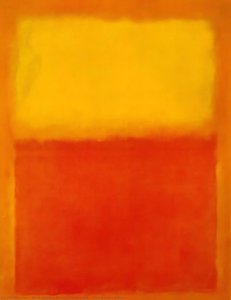 Oranžová a žlutá1956
Eseje k tématu Untitled 104
 Crimson Passion: Top 10 Iconic Red Masterpieces in Art HistoryExplore iconic red masterpieces by Rothko and Picasso. Discover the power of color at OriginalUniqueArt.com.
 The Architecture of Emotion: A Connoisseur’s Guide to the Chromatic Sublimity of Mark RothkoExplore the profound emotional landscapes of Mark Rothko. An expert editorial on Color Field painting, decoding the spiritual depth, techni…
 Mastering Emotion: The Top 25 Most Iconic Mark Rothko ArtworksImmerse yourself in the profound emotion of Abstract Expressionism. Explore our curated guide to the top 25 Mark Rothko masterpieces, from …