Color Field · 1964
No. 5 (Mark Rothko, 1964)
Mark Rothko (1903–1970) vytvořil dílo No. 5. Pochází z roku 1964. Patří k hnutí Color Field. Je vyrobeno z Acrylic On Canvas. Rozměry jsou 206 × 196 cm.
- 1964
- Acrylic On Canvas
- 206 × 196 cm

 Náhled v interiéru

 Ručně malovaná olejná reprodukce
 Sdílet
 Sdílet
 Informační list


 Stáhnout
 Podobné položky
 Rentgenové snímky
 Slideshow
 Otázky a odpovědi

 Statistiky
No. 5 v kostce
- Název díla
- No. 5
- Autor
- Mark Rothko (1903–1970)
- Rok narození umělce
- Daugavpils, Lotyšsko
- Datum vytvoření
- 1964
- Technika
- Acrylic On Canvas
- Rozměry
- 206 × 196 cm
- Pohyb
- Color Field
- Období
- Modern
- Motiv
- rothko, abstract, color field, square, black and white, canvas
Co przedstawuje dílo No. 5?
Mark Rothko’s ‘No. 5’: A Meditation on Darkness and Absence
Mark Rothko's "No. 5," painted in 1964, is not merely a canvas filled with color; it’s an intensely personal and profoundly moving exploration of human emotion and the weight of existence. This monumental work, measuring 206 x 196 cm, exemplifies Rothko’s signature style – large-scale rectangular blocks of saturated color that seem to bleed into one another, creating a hypnotic effect on the viewer. The painting's stark simplicity—a vast, dark square dominating the composition—immediately confronts us with an unsettling void, prompting contemplation about mortality, isolation, and the fundamental questions of human experience.
The Genesis of Color Field Painting
Created during a pivotal moment in art history, "No. 5" is inextricably linked to the rise of Color Field painting in the mid-20th century. Rothko, along with artists like Barnett Newman and Clyfford Still, rejected traditional representational forms, seeking instead to express profound emotional states through pure color. Influenced by Abstract Expressionism’s emphasis on subjective experience, Rothko developed a technique that involved layering thin washes of acrylic paint, allowing the colors to subtly shift and merge under layers of varnish. This process created an almost sculptural quality, emphasizing the materiality of the canvas itself.
Symbolic Weight and Existential Themes
Born in 1903 in Daugavpils, Latvia (then part of the Russian Empire), Mark Rothko’s life was marked by displacement and loss – experiences that deeply informed his artistic vision. The painting's dark square can be interpreted as a visual representation of this sense of void, reflecting the anxieties and uncertainties inherent in the human condition. Some scholars suggest the work is an exploration of trauma, referencing Rothko's own difficult childhood and the pervasive atmosphere of fear and instability he experienced growing up within a Jewish family during times of political unrest. The sheer scale of the canvas amplifies this feeling, enveloping the viewer in a space of quiet contemplation.
Technique and Emotional Impact
"No. 5" is a testament to Rothko’s mastery of color and texture. The subtle gradations within the dark blocks, achieved through meticulous layering and blending, create an illusion of depth and movement. The photograph captures this intricate detail perfectly, revealing the artist's deliberate control over light and shadow. The painting’s impact isn’t about visual spectacle; it’s about a deeply felt emotional response. Rothko aimed to evoke a sense of awe and vulnerability in the viewer, inviting them to confront their own mortality and grapple with the complexities of human existence. This reproduction offers an unparalleled opportunity to experience the power and beauty of this iconic work firsthand.
Vysokorozlišené fotografie díla No. 5
Protected by copyright: these files are for personal reference, not a licence to republish.
Mark Rothko, No. 5 (1964).
Odpovědi na otázky k dílu No. 5
V jakém roce bylo vytvořeno dílo „No. 5“ od Mark Rothko?
Dílo „No. 5“ od Mark Rothko vzniklo v roce 1964.
V jaké technice je vytvořeno dílo „No. 5“ od Mark Rothko?
Mark Rothko pro dílo „No. 5“ použil/a techniku Acrylic On Canvas. Tato technika definuje materiální podstatu originálního díla.
Jaké jsou rozměry originálu díla „No. 5“ od Mark Rothko?
Rozměry originálního díla „No. 5“ od Mark Rothko jsou 206 x 196 cm.
Jaká témata se objevují v díle „No. 5“ od Mark Rothko?
Témata obsažená v díle „No. 5“ od Mark Rothko zahrnují rothko, abstract, color field, square, black and white, canvas, mark rothko. Tato témata společně shrnují obsah celého uměleckého díla.
Je dílo „No. 5“ volné z autorských práv?
Stav autorských práv pro dílo „No. 5“ od Mark Rothko: toto dílo spadá do stále chráněno autorským právem. To určuje, zda lze volně vytvářet reprodukce tohoto obrazu.
K kterému umělci je dílo "No. 5" připisováno?
Dílo "No. 5" se připisuje autorovi Mark Rothko.
K kterému uměleckému směru patří „No. 5“ od Mark Rothko?
Umělecký směr, ke kterému patří dílo „No. 5“ od Mark Rothko, je Color Field. Tato klasifikace toto dílo umísťuje mezi související umělce a další umělecká díla.
Do které období tvorby Mark Rothko patří dílo „No. 5“?
V rámci kariéry umělce Mark Rothko spadá dílo „No. 5“ do období Mature Period. Tato fáze umožňuje jeho srovnání s dalšími díly tohoto umělce.
Kolik let bylo Mark Rothko, když vzniklo dílo „No. 5“?
Mark Rothko bylo 61 let, když v roce 1964 vytvořilo dílo „No. 5“. Věk je vypočítán z roku narození umělce, 1903.
O umělci, Mark Rothko

1903–1970, Lotyšsko
Mark Rothko
Raný život Marka Rothka Mark Rothko se narodil jako Markus Yakovlevich Rothkowitz v roce 1903. Jeho kořeny sahají do Dvinska v Rusku, v místě, kterému se dnes říká Daugavpils v Lotyšsku. Jeho rodina žila v rámci tzv. pásma osídlení, oblasti stíněné politickými nepokoji a neustálým hrozbami pogromů.
Také od autora Mark Rothko
 Bílé centrum1950
 Žádné.
 Č. 61 (Rez a modrá)1953
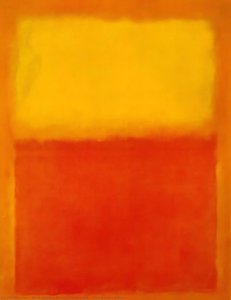 Oranžová a žlutá1956
Eseje k tématu No. 5
 Color Fields of Calm: Transform Luxury Interiors with Minimalist Masterpiece ReproductionsElevate your luxury interiors with museum-quality Mark Rothko reproductions. Discover how hand-painted Color Field masterpieces bring profo…
 The Soul of Color: Exploring the Emotional Depth and Existential Resonance of Mark Rothko's MasterpiecesImmerse yourself in the profound emotional landscapes of Mark Rothko. Explore how his revolutionary Color Field paintings use pure pigment …
 Mark Rothko: Top 25 děl mistra barev a emocí | OriginalUniqueArt.czProzkoumejte 25 ikonických děl Marka Rothka, mistra abstraktního expresionismu. Objevte příběhy za jeho barevnými plátny a emoce v umění. R…