

 Náhled v interiéru
 Sdílet
 Sdílet
 Podrobnosti o díle
 Průvodce

 Stáhnout
 Podobné položky
 Rentgenové snímky
 Slideshow
 Statistiky
Rabbi and Rabbitzin
 Oil
Oil- WallArt
- Post-Impressionism
 1914
1914- Modern
 48.0 x 37.0 cm
 Ben Uri Gallery and Museum
 Zobrazit více
Giclée / Umělecký tisk
Giclée nebo plátěný tisk muzeální kvality s rychlou výrobou a širokou nabídkou povrchových úprav. ( Koupit ručně malovaný obraz Přepnout na digitální obraz)




P118B Kč10

P118H Kč10

P118W Kč10

P438Z Kč10

P508JH Kč12

P508YH Kč12

P805H Kč10

P805Z Kč10

P919BZ Kč10

P919G Kč10

P919XJ Kč10

P959ZH Kč10

P968JZ Kč12

W106C Kč8

W218G Kč10

W218JH Kč8

W218Y Kč10

W307PJ Kč10

W316G Kč10

W316PJ Kč8

W316Y Kč10

W398PJ Kč8

W4111J Kč10

W500HY Kč15

W500JH Kč15

W692G Kč12

W849H Kč8

W940BG Kč15

W953PJ Kč8




Vyberte si z našich přednastavených velikostí, které odpovídají původním proporcím díla.

Zadejte šířku a výšku, které potřebujete pro váš rám nebo stěnu. Tisk lze pouze oříznout, nikdy však nelze zvětšit obraz nad jeho původní rozměr, proto při výběru jiného formátu dochází ke ztrátě části obrazu. Před samotným tiskem vám zašleme digitální náhled k schválení. Obraz zobrazený na této stránce nenabízí skutečný výřez — ten uvidíte pouze v náhledu.
Celosvětové doručení () do 2 týdnů namísto standardních 4/5 týdnů. (25 říjen)

Zdarma celosvětová expresní doprava

Vysoce kvalitní lněné plátno

Kompletní pojištění přepravy

Záruka vrácení celního poplatku

Záruka věrného barevného souladu

100dení lhůta pro vrácení zboží (pouze při vadách výroby)

100% záruka vrácení peněz

Sleva při více objednávkách
 Skleněná varianta je dostupná pouze u rozměrů menších než 110 cm

Rabbi and Rabbitzin
Giclée / Umělecký tisk
Rozměry reprodukce
-


Celková cena za vybrané možnosti reprodukcí
Kč 1711
A Glimpse into the Soul of Spitalfields
In the quiet, evocative depths of Mark Gertler’s 1914 masterpiece, Rabbi and Rabbitzin, we are invited into a moment of profound stillness that transcends the boundaries of time. Painted during a pivotal era when the artist was beginning to move beyond his formal training at the Slade School, this work serves as a poignant window into a world of tradition and intimacy. The painting presents us with a man and a woman standing in close proximity before a table laden with the humble artifacts of daily life—cups, bowls, and a solitary knife. There is an undeniable gravity to their presence; the man, adorned with a hat and a flowing white beard, carries the weight of wisdom and heritage, while the woman’s steady gaze connects the viewer directly to the heart of the scene. Through Gertler's lens, a simple gathering is elevated to something much more significant, capturing the quiet dignity found within communal rituals.
The composition is masterfully balanced, utilizing a technique that leans into the burgeoning experimentalism of early Modernism. While the subjects are anchored by a certain formal rigidity, there is a soft, rhythmic quality to the arrangement of objects on the table that guides the eye across the canvas. Gertler employs a palette that feels both grounded and atmospheric, using light to sculpt the figures and imbue them with a sculptural permanence. The background, featuring shadowy, less defined figures, creates a sense of depth and social context, suggesting that while our protagonists are the focal point, they are part of a larger, breathing tapestry of community life. This interplay between the sharp focus on the central pair and the ethereal quality of the surrounding space creates a captivating tension that keeps the viewer perpetually engaged.
For the discerning collector or interior designer, Rabbi and Rabbitzin offers much more than mere decoration; it provides an emotional anchor for any curated space. The painting’s symbolism—the shared table, the ritualistic objects, and the stoic expressions—speaks to themes of continuity, heritage, and the sanctity of the domestic sphere. It is a piece that commands attention through its subtlety rather than through loud or jarring colors. When rendered as a high-quality hand-painted reproduction, the textures of the brushwork and the nuanced transitions of tone are preserved, allowing the artwork to breathe life into a room. Whether placed in a sophisticated study, a contemporary living area, or a gallery-style hallway, this work serves as a conversation starter, inviting contemplation on the beauty of tradition and the enduring power of the human portrait.
Otázky a odpovědi
Jaký emocionální náboj nese dílo „Rabbi and Rabbitzin“ od Mark Gertler?
Emocionální náboj díla „Rabbi and Rabbitzin“ od Mark Gertler je Somber. Tento údaj vystihuje pocity, které toto dílo vyjadřuje.
V jakém roce vzniklo dílo „Rabbi and Rabbitzin“ od Mark Gertler?
Vznik díla „Rabbi and Rabbitzin“ od Mark Gertler se datuje do roku 1914.
Jaké umístění se hodí k formátu díla „Rabbi and Rabbitzin“ od Mark Gertler?
Formát (Portrait) a doporučený prostor (Dining Room) jsou dvě informace o umístění uvedené pro dílo „Rabbi and Rabbitzin“ od Mark Gertler.
Biografie umělce
Early Life and Career
Mark Gertler (born Marks Gertler; December 9, 1891 – June 23, 1939) was a British painter of figure subjects, portraits, and still life, whose distinctive style—characterized by bold colors and expressive brushstrokes—earned him recognition as one of the leading artists of his generation. Born to Polish Jewish immigrant parents in Spitalfields, London, Gertler’s formative years were shaped by poverty and familial upheaval, experiences that profoundly impacted his artistic vision. His father, Louis Gertler, abandoned the family shortly after their son's birth in pursuit of work in America, leaving Golda Berenbaum to raise her five children alone amidst considerable hardship. Despite these difficulties, Gertler demonstrated exceptional talent for drawing from a young age, enrolling in art classes at Regent Street Polytechnic in 1906 despite his family’s limited resources. Tragically, he was forced to withdraw from the school after only a year due to financial constraints. However, this early exposure to artistic pursuits ignited a lifelong passion for painting and would ultimately propel him toward significant success. In 1908, Gertler secured an apprenticeship at Clayton & Bell, a renowned stained glass company, where he honed his technical skills while simultaneously attending evening classes at the Polytechnic—a dual commitment that underscored his dedication to mastering craft alongside pursuing artistic exploration. This period proved pivotal in shaping his aesthetic sensibilities and establishing him within the burgeoning London art scene. His breakthrough came in 1908 when he achieved third place in a national art competition, marking the beginning of his ascent to prominence. Subsequently, he enrolled at the Slade School of Art in London, where he forged enduring friendships with fellow artists such as Paul Nash, Edward Wadsworth, and Sir Stanley Spencer—artists who would become influential figures in British Modernism. Gertler’s patrons included Lady Ottoline Morrell, who introduced him to Walter Sickert, a leader of the Camden Town Group, fostering connections that enriched his artistic milieu.Rise to Prominence and Notable Works
Gertler's artistic reputation solidified during the First World War years, particularly through his involvement with the Camden Town Group—a collective known for its experimentation with color and form—and his association with Vanessa Bell’s Friday Club. His distinctive style—characterized by vibrant hues and dynamic brushwork—became instantly recognizable and deeply rooted in Eastern European folk art traditions. He achieved considerable acclaim as a portrait painter, capturing the essence of his subjects with remarkable sensitivity and psychological insight. However, Gertler's career trajectory was hampered by his temperamentally challenging personality and unwavering commitment to pursuing artistic endeavors according to his own uncompromising vision—a pursuit that often resulted in personal frustration and financial instability. Despite facing rejection for military service due to antisemitic prejudices prevalent at the time, he persevered in his artistic pursuits, demonstrating resilience amidst adversity. Gertler’s oeuvre encompasses a diverse range of subjects, including figure studies, portraits, and still lifes—each infused with an unmistakable emotional resonance. Among his most celebrated works are “Merry-Go-Round” (1916), a powerful indictment of militarism rendered in searing colors that captures the frenetic energy of wartime London; “Still Life with Self Portrait” (c. 1923), which exemplifies Gertler’s masterful blending of observation and imagination; and “Basket of Fruit,” “Peaches and Green Bottle,” and “Violin Case and Flowers”—still lifes that showcase his meticulous attention to detail and his ability to convey subtle nuances of mood and atmosphere. His paintings are housed in major collections across the United Kingdom, cementing his legacy as one of Britain’s foremost artists of the early 20th century.Legacy and Burial
Gertler's life was tragically curtailed by tuberculosis—a debilitating illness that plagued him throughout much of his adult years—leaving him confined to sanatoriums for extended periods. Despite these physical challenges, he continued to produce artwork with unwavering determination, demonstrating remarkable fortitude in the face of adversity. He taught part-time at Westminster School of Art until his death on June 23, 1939, leaving behind a substantial body of work that continues to inspire admiration and scholarly study. Gertler was interred at Willesden Jewish Cemetery alongside numerous other prominent figures from London’s Jewish community—a testament to his enduring influence within British cultural history. His artistic legacy persists today, reminding us of the transformative power of creativity amidst hardship and the indelible mark left by a singular visionary artist.
Mark Gertler
1891 - 1939 , Spojené království
Rychlé informace o umělci
- Artistic Movement Or Style: Post-impressionismus, Raný modernismus
- Artists Or Movements Influenced By This Artist: ['Camden Town Group']
- Artists Who Influenced This Artist:
- Walter Sickert
- Paul Nash
- Edward Wadsworth
- Date Of Birth: 9 December 1891
- Date Of Death: 23 June 1939
- Full Name: Mark Gertler
- Nationality: Británie
- Notable Artworks:
- Still Life with Self Portrait
- Basket of Fruit
- Peaches and Green Bottle
- Violin Case and Flowers
- Place Of Birth: Londýn
Související články
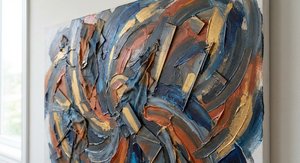
Beyond Representation: Exploring Emotional Resonance & Formal Innovation in Abstract Art
Explore the profound emotional depth & formal innovations of abstract painting. Discover key artists like Rothko & Kandinsky, understand art collecting insights, and elevate your space with timeless masterpieces. Expert analysis for discerning collectors.

Beyond Representation: Emotional Resonance & Formal Innovation in Abstract Painting
Explore the profound emotional depth & formal innovations of abstract painting. Discover key artists like Rothko & Kandinsky, understand art collecting insights, and elevate your space with timeless masterpieces. Expert analysis for discerning collectors.
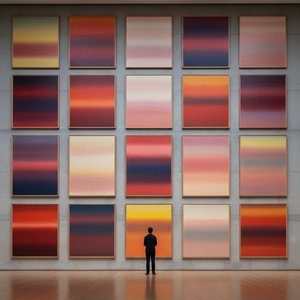
Mark Rothko: Top 25 děl mistra barev a emocí | OriginalUniqueArt.cz
Prozkoumejte 25 ikonických děl Marka Rothka, mistra abstraktního expresionismu. Objevte příběhy za jeho barevnými plátny a emoce v umění. Reprodukce obrazů nejvyšší kvality na OriginalUniqueArt.com.

Mark Gertler: Modern Anxiety & British Vorticism – A Life Painted with Context
Explore the life & art of Mark Gertler, a key figure in British Vorticism. Discover his poignant portraits, Bloomsbury connections, and enduring legacy. Expert analysis & high-quality reproductions at OriginalUniqueArt.
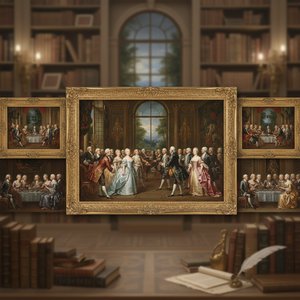
Capturing Elegance: The Art of the Formal Gathering in Masterpiece Paintings
Explore the timeless elegance of formal gatherings through the lens of art history. Discover how master painters captured social grace, status, and atmosphere in iconic group portraits and ballroom scenes.