Velikost textu

() ·

Obraz vytvořený ručně přímo pro vás

Triptych

Ručně malovaná olejová reprodukce

Rukou malované olejné plátno v libovolném rozměru i s rámem, vyrobené našimi umělci na zakázku. ( Přepnout na tisk Přepnout na digitální obraz)

Popis sbírného předmětu

Explore Mariotto Albertinelli’s 1500 Triptych: A haunting skull & devotional scenes in monochrome oil on canvas. Renaissance art, memento mori, & a poignant reflection on life.

Biografie umělce

Explore Mariotto Albertinelli (1474-1515), a Florentine Renaissance painter known for his collaboration with Fra Bartolomeo & harmonious compositions blending Perugino's grace, Flemish detail, and Leonardo’s sfumato. Discover masterpieces like the Visitation!

od ·

Kapitola 1

Jak velká by měla být?

Posunout pro změnu velikosti; obrázek vlevo zobrazuje rám v jeho skutečné šířce. Zachovávají se původní proporce.

Standardní velikost
na zakázku
CM
INCH

Vyberte si z našich přednastavených velikostí, které odpovídají původním proporcím díla.

šířka
výška

Zadejte šířku a výšku, které potřebujete pro váš rám nebo stěnu. Protože se jedná o ruční malbu, při výběru jiného formátu může umělec kolem obrazu domalovat o něco více, nebo jej mírně oříznout — rozhodnete si vy. Před zahájením malby vám zašleme digitální náhled ke schválení. Obraz zobrazený na této stránce neodpovídá skutečnému výsledku — pouze digitální náhled jej zobrazuje.

Kapitola 2

Jak má být doručeno?

Vyberte si okraje plátna

Vyberte si rámeček

Corner sample of the WhiteWrap canvas edge finish, stretched on masivní dřevo bars
Bílé okraje Kč1
Corner sample of the BlurSideWrap canvas edge finish, stretched on masivní dřevo bars
Rozostřené okraje Kč1
Corner sample of the ExtendedWrap canvas edge finish, stretched on masivní dřevo bars
Prodloužené okraje Kč1
Corner sample of the P118B picture frame: tvarovaný polystyren, 5 cm wide and 3 cm thick
P118B Kč10
Corner sample of the P118H picture frame: tvarovaný polystyren, 5 cm wide and 3 cm thick
P118H Kč10
Corner sample of the P118W picture frame: tvarovaný polystyren, 5 cm wide and 3 cm thick
P118W Kč10
Corner sample of the P438Z picture frame: tvarovaný polystyren, 5.5 cm wide and 3.5 cm thick
P438Z Kč10
Corner sample of the P508JH picture frame: tvarovaný polystyren, 7 cm wide and 3.5 cm thick
P508JH Kč12
Corner sample of the P508YH picture frame: tvarovaný polystyren, 7 cm wide and 3.5 cm thick
P508YH Kč12
Corner sample of the P805H picture frame: tvarovaný polystyren, 5 cm wide and 3.5 cm thick
P805H Kč10
Corner sample of the P805Z picture frame: tvarovaný polystyren, 5 cm wide and 3.5 cm thick
P805Z Kč10
Corner sample of the P919BZ picture frame: tvarovaný polystyren, 7 cm wide and 3.5 cm thick
P919BZ Kč10
Corner sample of the P919G picture frame: tvarovaný polystyren, 7 cm wide and 3.5 cm thick
P919G Kč10
Corner sample of the P919XJ picture frame: tvarovaný polystyren, 7 cm wide and 3.5 cm thick
P919XJ Kč10
Corner sample of the P959ZH picture frame: tvarovaný polystyren, 5 cm wide and 3 cm thick
P959ZH Kč10
Corner sample of the P968JZ picture frame: tvarovaný polystyren, 6 cm wide and 4 cm thick
P968JZ Kč12
Corner sample of the W106C picture frame: masivní dřevo, 5 cm wide and 3 cm thick
W106C Kč8
Corner sample of the W218G picture frame: masivní dřevo, 5 cm wide and 3 cm thick
W218G Kč10
Corner sample of the W218JH picture frame: masivní dřevo, 5 cm wide and 3 cm thick
W218JH Kč8
Corner sample of the W218Y picture frame: masivní dřevo, 5 cm wide and 3 cm thick
W218Y Kč10
Corner sample of the W307PJ picture frame: masivní dřevo, 6 cm wide and 3 cm thick
W307PJ Kč10
Corner sample of the W316G picture frame: masivní dřevo, 6 cm wide and 3 cm thick
W316G Kč10
Corner sample of the W316PJ picture frame: masivní dřevo, 6 cm wide and 3 cm thick
W316PJ Kč8
Corner sample of the W316Y picture frame: masivní dřevo, 6 cm wide and 3 cm thick
W316Y Kč10
Corner sample of the W398PJ picture frame: masivní dřevo, 5 cm wide and 3 cm thick
W398PJ Kč8
Corner sample of the W4111J picture frame: masivní dřevo, 6.5 cm wide and 3.5 cm thick
W4111J Kč10
Corner sample of the W500HY picture frame: masivní dřevo, 7 cm wide and 5 cm thick
W500HY Kč15
Corner sample of the W500JH picture frame: masivní dřevo, 7 cm wide and 5 cm thick
W500JH Kč15
Corner sample of the W692G picture frame: masivní dřevo, 8 cm wide and 4 cm thick
W692G Kč12
Corner sample of the W849H picture frame: masivní dřevo, 5 cm wide and 3 cm thick
W849H Kč8
Corner sample of the W940BG picture frame: masivní dřevo, 7.5 cm wide and 4.5 cm thick
W940BG Kč15
Corner sample of the W953PJ picture frame: masivní dřevo, 6 cm wide and 3.5 cm thick
W953PJ Kč8
Corner sample of the H24-GOLD picture frame: řezané dřevo s gessu, 10 cm wide and 6 cm thick
H24-GOLD Kč30
Corner sample of the H24-SILVER picture frame: řezané dřevo s gessu, 10 cm wide and 6 cm thick
H24-SILVER Kč30
Corner sample of the H36-GOLD picture frame: řezané dřevo s gessu, 15 cm wide and 6.5 cm thick
H36-GOLD Kč45
Corner sample of the H36-SILVER picture frame: řezané dřevo s gessu, 15 cm wide and 6.5 cm thick
H36-SILVER Kč45

Profil: . Celkové rozměry včetně rámu: .

Kapitola 3

Kdo jej maluje a mělo by se něco změnit?

Příklady možných změn: Nahrazení obličeje fotografií zákazníka; Přidání mazlíčka (např. výměna kočky za psa); Skrytá zpráva v pozadí; Změna krajiny nebo prvků v pozadí.
Po přijetí objednávky vám tým OriginalUniqueArt.com pošle e-mail s instrukcemi a poskytne náhled návrhu

Celosvětová doprava () za 3–4 týdny namísto standardních 5 týdnů. (13 listopad). Bez kompromisů v kvalitě.

Kapitola 4

Poslední úpravy

Štítek jako v muzeu?

Detaily ryté bronzové plakety

This elegant plaque features the artist's name and the title of the artwork, finely engraved for a timeless presentation.

It is made from bronze with a refined, elegant finish. The text is precisely laser-engraved for a sharp and permanent result. Measuring 9x2 cm, the plaque is compact yet easy to read. It's built to be durable and scratch-resistant, offering a professional, museum-quality look. Mounting is simple thanks to the included adhesive backing.

Detaily průhledné akrylové desky

The plaque includes essential engraved details such as the artist's name, the title of the artwork, the date it was created, the type of media used-like oil on canvas or watercolor-a brief description of the piece, and a QR code that links to the complete artwork information.

It is crafted from clear acrylic, offering a sleek, modern appearance. The text is UV-engraved in black to ensure strong visual contrast. With a size of 10x15 cm, it ensures optimal readability. It comes equipped with two metal hooks for secure wall mounting. The plaque is designed to be weather-resistant, making it suitable for various environments, and it includes interactive features that work seamlessly with smartphone scanning.

Detaily černé akrylové destičky

This elegant plaque includes engraved information such as the artist's name, the title of the artwork, the date it was created, the type of media used (like oil on canvas or watercolor), a short description of the artwork, and a QR code for quick access to more information.

The plaque itself is made from refined black acrylic with a premium finish. The text is laser-engraved in white for high contrast and readability. Its size is 10x15 cm, designed to be easy to read. It comes with two metal hooks for professional mounting. The design is sleek and fits any interior style. It is also weather-resistant and durable, with built-in digital integration for mobile compatibility.

Ochranný lak?

Kdy jej potřebujete?

Kapitola 5

Váš obraz přesně podle objednávky

Triptych

Technika reprodukce

Rozměry reprodukce

-

Vybraní mistři umění

Vyšší míra detailu, jemnosti a delší doba výroby

-

Možnosti rámování reprodukcí

-

-

U děl nebo reprodukcí, u nichž je jakákoliv strana větší než 105 cm (přibližně 41 palců), bude rám dodán jako sestava v rozloženém stavu. Tato metoda zajišťuje bezpečné doručení a chrání dílo před poškozením během přepravy.

Vyžaduje se odborná montáž – nejedná se o produkt pro svépomocnou realizaci (DIY).
Sestava musí být složena a plátno napnuto zkušeným profesionálním rámovačem s použitím dřevěného lepidla (není součástí balení), kleští na napínání plátna a svorek pro udržení pravých úhlů křížů během schnutí lepidla. Nesprávná montáž nebo nerovnoměrné napnutí plátna může způsobit trvalé poškození uměleckého díla, které není kryto naší zárukou.

  • Jsou zahrnuty všechny lišty z masivního dřeva, přesně na míru nařezané.

  • Sestavuje se pomocí součástí balení (šroubů), plus dřevěného lepidla na rohové spoje, které není součástí balení a musí jej zajistit váš rámovač.

  • Vyžaduje se profesionální nářadí, které není součástí sady: kleště na napínání plátna a svorky pro udržení kolmosti příček během schnutí lepidla.

Důležité:
Spoje v rozích vyžadují lepidlo na dřevo, tyčinky musí být přichyceny pomocí svorek, dokud lepidlo zcela neuschne, a pro napnutí plátna na sestavený rám je zapotřebí kleští na natahování plátna. Žádný z těchto náčiní není součástí sady. Před objednáním této velikosti prosím zajistěte zkušeného profesionálního rámovače.

Popisek díla

-

-

Ochranný lak

Lesklý lak (zvýrazňuje barvy, chrání před světlem a vlhkostí)

-

Přizpůsobit své umělecké dílo

Příklady možných úprav: nahrazení obličeje fotografií zákazníka; přidání domácího mazlíčka (např. výměna kočky za psa); vložení skrytého vzkazu do pozadí; změna krajiny nebo prvků v pozadí.

-

Prioritní doručení

Celosvětové doručení () za 3–4 týdny namísto standardních 5 týdnů. (13 listopad). Bez kompromisů v kvalitě.

-

Expresní doručení

Celosvětová doprava () do 5 týdnů. (20 listopad).

V ceně

Celková cena za vybrané možnosti reprodukcí

Kč 6534

Celková cena Kč 6534

Skleněná varianta je dostupná pouze u rozměrů menších než 110 cm

Součást každé objednávky

  • Zdarma celosvětová expresní doprava
  • Vysoce kvalitní lněné plátno
  • Kompletní pojištění přepravy
  • Záruka vrácení celního poplatku
  • Záruka věrného barevného souladu
  • 100dení lhůta pro vrácení zboží (pouze při vadách výroby)
  • 100% záruka vrácení peněz
  • Sleva při více objednávkách

A Meditation on Mortality: Mariotto Albertinelli’s Triptych (c. 1500)

Mariotto Albertinelli's "Triptych," a remarkably preserved example of early Renaissance artistry, offers far more than a simple religious depiction; it is a profound meditation on the human condition – a stark reminder of our fleeting existence rendered with unsettling beauty and meticulous detail. Executed around 1500, this triptych, measuring 21 x 30 cm, reveals Albertinelli’s mastery of color, composition, and symbolism, hallmarks of his Florentine training and the burgeoning artistic currents of the era. The work's immediate impact is undeniably driven by its central element: a meticulously rendered skull presented as a still life against a somber backdrop. This isn’t merely a morbid fascination; it’s a deliberate invocation of *memento mori*, a tradition deeply rooted in Christian thought, reminding viewers of the inevitability of death and urging contemplation on spiritual matters.

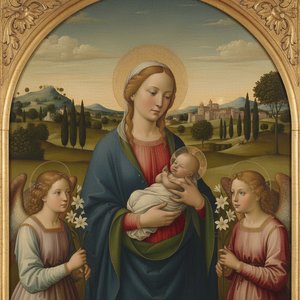
  • Subject Matter: The triptych unfolds with layers of religious iconography. When closed, the tabernacle displays an Annunciation rendered in monochrome, a poignant contrast to the vibrant scenes revealed when opened.
  • Central Panel: The Virgin enthroned nursing the Child dominates the central panel, embodying maternal grace and divine protection.
  • Side Panels: Saint Catherine of Alexandria, kneeling on her spiked wheel – a testament to unwavering faith – and Saint Barbara, kneeling beside her executioner father Dioscurus, create a powerful narrative of martyrdom and sacrifice.

Albertinelli’s technical skill is immediately apparent in the painting's construction. Executed in oil paints on canvas, the artist demonstrates a sophisticated understanding of *chiaroscuro*, utilizing subtle gradations of light and shadow to sculpt the skull and imbue it with a startling sense of volume and realism. The brushwork, though visible, is expertly controlled, contributing to a polished finish that speaks to Albertinelli’s dedication to detail. The geometric shapes – the tabletop, the skull itself, the curved shadow – are rendered with precision, creating a stable and grounded composition. The muted color palette—browns, ochres, and blacks—further emphasizes the solemnity of the subject matter.

Symbolism and Narrative

Beyond its immediate visual impact, the "Triptych" is rich in symbolic meaning. The skull, as a central motif, transcends mere representation; it functions as a potent symbol of mortality, echoing themes prevalent throughout Western art history. The inclusion of scenes depicting martyrdom – Catherine’s ordeal and Barbara’s plight – reinforces the Christian narrative of sacrifice and redemption. Dioscurus, Barbara's father, acting as her executioner, adds another layer of complexity to the scene, highlighting the tragic consequences of religious persecution. The landscape elements, featuring further depictions of saintly deaths, serve not just as background but as integral components of the overall theological message.

Historical Context and Artistic Influences

Created around 1500, this triptych represents a pivotal moment in Mariotto Albertinelli’s career. Born in Florence in 1474, he benefited from the artistic ferment of the Renaissance, absorbing influences from masters such as Perugino, Piero di Cosimo, and even the Flemish painters whose techniques – particularly their mastery of detail and use of light – profoundly shaped his style. The abbreviation “MD” on the frame likely indicates the year of creation, solidifying its place within a significant period of artistic innovation. Albertinelli’s joint studio with Fra Bartolomeo further enriched his artistic development, exposing him to diverse perspectives and techniques.

Emotional Impact and Collectible Value

The "Triptych" is not simply a beautiful artwork; it's an emotionally resonant piece that invites contemplation on profound themes. Its somber mood, coupled with the arresting image of the skull, evokes a sense of melancholy and reminds us of our own mortality. This triptych by Mariotto Albertinelli represents a rare opportunity to own a significant work from one of Florence’s most accomplished Renaissance painters. Its size (21 x 30 cm) makes it suitable for a variety of settings, while its historical importance and artistic merit ensure its enduring value as an investment piece and a source of inspiration.

Otázky a odpovědi

Jaký národní původ stojí za stylem Early Renaissance u díla „Triptych“?

Dílo v rámci směru Early Renaissance s názvem "Triptych" vytvořil umělec narozený v zemi Italy.

Nachází se dílo "Triptych" v zemi svého autora?

Ne – dílo se nachází v zahraničí. Dílo „Triptych“ je uloženo v zemi Itálie, zatímco Mariotto Albertinelli se narodil(a) v zemi Italy.

Mohu si prohlédnout "Triptych" v celoplátno formátu slideshow?

Diaporama díla „Triptych“ si můžete prohlédnout na stránce Slideshow.

Více informací o tomto obrazu

Náhled v interiéru Náhled v AR Přepnout na tisk Přepnout na digitální obraz Sdílet
Podrobnosti o díle Průvodce Přidat do oblíbených Stáhnout Podobné položky Rentgenové snímky Slideshow Otázky a odpovědi Statistiky

V číslech

  • 1500rok vytvoření
  • 29k výběru rámečků
  • standardní velikosti, v jejich vlastních proportioních
  • 5týdnů na namalování a doručení
Mariotto Albertinelli

Mariotto Albertinelli

1474 - 1515, Italy

Rychlé informace o umělci Mariotto Albertinelli

  • Full Name: Mariotto Albertinelli
  • Nationality: Italian
  • Date Of Birth: 1474
  • Date Of Death: 1515
  • Place Of Birth: Florence, Italy
  • Notable Artworks:
    • Visitation (1503)
    • Scenes from Genesis panels
  • Artistic Movement Or Style: Florentine Renaissance
  • Artists Who Influenced This Artist:
    • Perugino
    • Piero di Cosimo
    • Lorenzo di Credi
    • Leonardo da Vinci
    • Fra Bartolomeo
  • Artists Or Movements Influenced By This Artist:
    • Jacopo da Pontormo
    • Giuliano Bugiardini

Biografie umělce

Mariotto Albertinelli: A Florentine Renaissance Painter

  • Born: Florence, Italy (1474)
  • Died: 1515

Early Life and Training

Mariotto di Bigio di Bindo Albertinelli was born in Florence as the son of a gold beater. He was an only child, and his mother died when he was just five years old. Initially trained as a gold beater until the age of 12, he then became a pupil of Cosimo Rosselli, sharing studies with Fra Bartolomeo. The close friendship between Albertinelli and Fra Bartolomeo led them to establish a joint studio in Florence by 1494.

Artistic Development and Influences

Albertinelli’s style demonstrates the influence of several prominent artists including Perugino, Piero di Cosimo, Lorenzo di Credi, and Flemish painters. His early works, produced independently of Fra Bartolomeo, are stylistically distinct and reveal a sophisticated taste for detail. Piero di Cosimo introduced him to Flemish techniques, enriching his artistic palette. A period of independence followed Fra Bartolomeo’s entry into the Dominican order in 1500, allowing Albertinelli to develop his own voice while still maintaining a connection to his former mentor's style.

Major Works and Collaborations

  • The Visitation (1503): Housed in the Uffizi Gallery, this is considered Albertinelli’s masterpiece. It depicts the biblical story of Elizabeth visiting Mary, showcasing his skill in composition, narrative depiction, and blending influences from Fra Bartolomeo and Perugino.
  • Altarpiece for the Chapel of Congregazione di San Martino: This altarpiece includes panels depicting the Visitation, Annunciation, Nativity, and Circumcision. It demonstrates Albertinelli's ability to create a cohesive narrative across multiple panels.
  • Kress Tondo: Initially attributed solely to Fra Bartolomeo, it is now believed that Albertinelli used his partner’s cartoon in its creation, highlighting their collaborative relationship.
  • Annunciation (1511): A joint work with Fra Bartolomeo, showcasing a period of stylistic convergence and collaboration.

Historical Significance and Legacy

Albertinelli's artistic career reflects the dynamic shifts within Florentine painting during the High Renaissance. His ability to synthesize diverse influences—Perugino’s grace, Flemish detail, and Leonardo’s sfumato technique—created a unique style that contributed to the richness of Florentine art. He trained notable artists such as Jacopo da Pontormo, Innocenzo di Pietro Francucci da Imola, and Giuliano Bugiardini, ensuring his influence extended beyond his own works. Despite facing financial difficulties later in life, Albertinelli left behind a body of work that demonstrates his skill and artistic versatility, solidifying his place within the Florentine Renaissance.

Rychlé informace

  • Medium: Oil on canvas
  • Title: Triptych
  • Movement: Renaissance
  • Year: 1500
  • Artist: Mariotto Albertinelli