
 Náhled
 Sdílet
 Sdílet
 Podrobnosti o díle

 Stáhnout
 Podobné položky
 Rentgenové snímky
 Slideshow
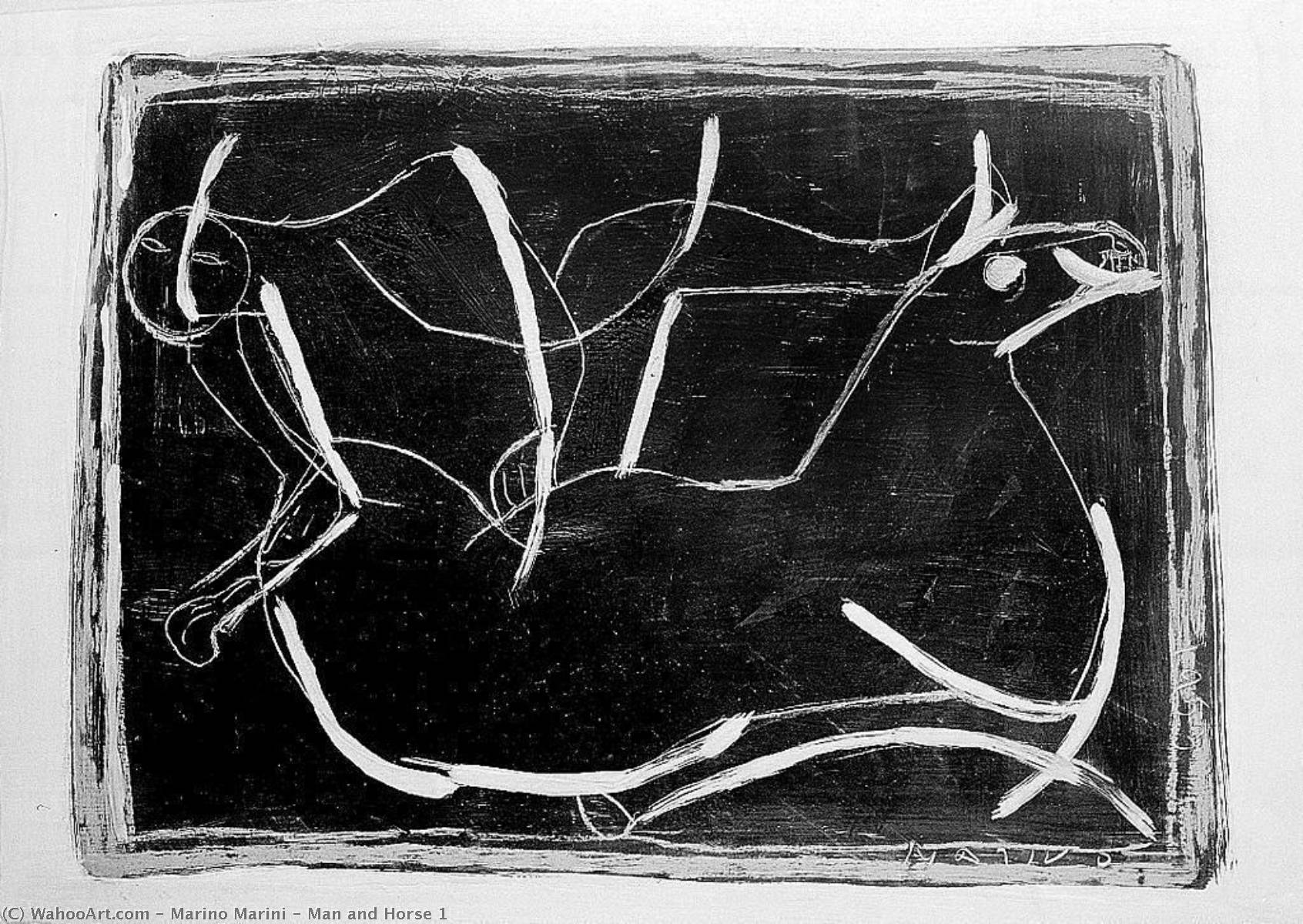
Man and Horse 1
 1953
1953 43.0 x 62.0 cm
 Zobrazit více
Koupě vysoce rozlišeného, vylepšeného digitálního obrazu, který je mnohem kvalitnější než online náhled.
Každý soubor je pečlivě připraven našimi odborníky pomocí pokročilých nástrojů a expertní manuální retuše. Zajišťujeme, aby každý obraz disponoval výjimečnou ostrostí, přesnou barevnou věrností a jemnými detaily.
Finální soubor vám bude do 72 hodin zaslán e-mailem, optimalizovaný pro okamžité použití v profesionálním, redakčním i tiskovém prostředí. Nabízíme stejnou kvalitu, které důvěřují špičková designová studia, nakladatelství i galerie.
Digitální obrazy
Stáhněte si soubor ve vysokém rozlišení pro osobní prohlížení, tisk a kreativní projekty. ( Koupit tisk Koupit ručně malovaný obraz)
Součást každé objednávky digitálního obrazu
Profesionální digitální doručení, zaručeno.
Když si vyberete OriginalUniqueArt.com, nezískáváte pouze obrázek – získáváte digitální umělecké dílo s profesionálně vylepšenými detaily, zpracované s precizností a podpořené zárukou za spokojenost. Zde je vše, co vaše objednávka automaticky obsahuje:

Rychlé doručení e-mailem
Váš digitální obraz ve vysokém rozlišení vám bude zaslán e-mailem do 72 hodin od objednávky – připraven k okamžitému použití.

Digitální soubor s využitím AI
Vaše umělecké dílo je profesionálně optimalizováno pomocí pokročilých nástrojů umělé inteligence a manuální úpravy, což zajišťuje maximální úroveň detailu, ostrosti a přesnosti barev.

Bezplatné doživotní znovuodeslání
Soubor jste omylem smazali nebo ztratili? Žádný problém – kdykoliv vám ho znovu zašleme zcela zdarma.

Bez poplatků za dovoz – navždy
Užijte si své umělecké dílo okamžitě bez celních poplatků, daní nebo nákladů na dopravu – digitální stažení je vždy bez daňových povinností.

Záruka přesnosti barev
Pomocí profesionálních nástrojů a správy barev zajišťujeme, aby váš digitální obraz odrážel původní barvy co nejvěrněji.

60denní záruka spokojenosti
Pokud nebudete s digitální fotografií spokojeni, provedeme její revizi nebo vám vrátíme 100% během 60 dnů – bez jakýchkoliv dotazů.

100% záruka vrácení peněz
Nespokojeni? Získejte plnou částku zpět do 60 dní od přijetí vašeho digitálního souboru – bez jakýchkoliv dotazů.

Slevy při hromadných objednávkách
Koupěte si 3 obrazy, ušetřete 10% - Koupěte si 5, ušetřete 15% - Koupěte si 10+, ušetřete 20%. Ideální pro kreativní projekty, galerie a agentury.
Biografie umělce
The Sculptor of Myth and Modernity
Marino Marini stands as a pivotal figure in Italian sculpture of the mid-twentieth century, a master who possessed the rare ability to blend classical inspiration with an uncompromising exploration of human emotion. Born in 1901, his artistic journey began formally at the Accademia di Belle Arti in Florence, where he honed the technical skills that would eventually allow him to transcend mere representation. While Marini never truly abandoned the medium of painting, it was through the tactile, three-dimensional language of sculpture that he found his most profound voice. From approximately 1922, he dedicated himself primarily to this craft, a commitment that would define his career and solidify his reputation as a sculptor capable of capturing both the monumental and the deeply personal.
His formative years were profoundly shaped by the influence of Arturo Martini, whose sculptural style—characterized by dynamic poses and expressive musculature—served as a cornerstone for Marini’s own artistic vision. This foundation was further enriched by a deep fascination with Etruscan art, particularly its stylized depictions of figures and animals imbued with symbolic meaning. Marini sought to reach beyond the surface of his subjects, aiming instead for an embodiment of psychological depth and spiritual resonance. This preoccupation with antiquity fueled his stylistic choices, underpinning his enduring themes of heroism, primal instinct, and the eternal struggle between man and beast.
A Life of Movement and Exile
Marini’s career was marked by a restless movement across Europe, mirroring the shifting political landscapes of his era. In 1929, he ascended to the position of Professor at the Scuola d'Arte Villa Reale in Monza, a role he maintained until 1940. During these formative decades, Marini cultivated vital connections with the giants of modern art, engaging in creative dialogues with Massimo Campigli, Giorgio de Chirico, and Alberto Magnelli. His frequent travels to Paris allowed him to immerse himself in the avant-garde milieu, fostering friendships with legendary figures such as Alberto Giacometti, Germaine Richier, and Fritz Wotruba—artists who shared his commitment to exploring the human condition through figurative sculpture.
The Second World War brought significant upheaval to his life, forcing Marini into exile in Switzerland. Moving to Tenero-Locarno in 1936, he spent several years navigating the cultural centers of Zürich and Basel. This period of displacement, while fraught with the anxieties of war, allowed him to expand his international reach and integrate new perspectives into his work. By 1940, he accepted a prestigious professorship at the Accademia di Belle Arti di Brera in Milan, eventually settling permanently in the city in 1946. This return to Italy signaled a period of immense productivity and established him as one of the most significant Italian artists of the twentieth century.
The Legacy of Form and Symbolism
The true essence of Marini’s work lies in his ability to evoke raw energy through textured surfaces and angular lines. His sculptures, often featuring equestrian figures and nudes, serve as a bridge between the ancient world and modern existentialism. Whether working with bronze or other materials, he utilized expressive realism to create works that feel both timeless and urgently contemporary. His mastery is evident in several key areas of his artistic output:
- Equestrian Themes: His iconic horse and rider compositions serve as powerful metaphors for the tension between civilization and primal instinct.
- The Human Form: Through his depictions of nudes and portraits, Marini explored the vulnerability and strength of the human spirit.
- Stylistic Synthesis: The seamless integration of Etruscan stylization with modern dynamism allowed him to create a unique visual language that resonated across borders.
Marini’s historical significance is cemented not only by his personal achievements but also by the institutions that preserve his memory. The Museo Marino Marini in Milan, housed in the ancient church of San Pancrazio, holds one of the most important collections of his work, fostering a dialogue between historical architecture and his dynamic sculptural forms. Today, Marini remains a celebrated figure whose work continues to inspire, reminding us of the enduring power of myth to reflect our modern complexities.

Marino Marini
1901 - 1980
Stručné informace
- Artistic Movement Or Style: Etruscan & Martini Style
- Artists Or Movements Influenced By This Artist:
- Jean arp
- Max beckmann
- Alberto giacometti
- Artists Who Influenced This Artist: ['Arturo Martini']
- Date Of Birth: 1901
- Date Of Death: 1980
- Full Name: Marino Marini
- Nationality: Italian
- Notable Artworks:
- Horse and Rider
- Composizione, (1956)
- Untitled (2)
- Place Of Birth: Italy

