
 Náhled
 Sdílet
 Sdílet
 Podrobnosti o díle

 Stáhnout
 Podobné položky
 Rentgenové snímky
 Slideshow
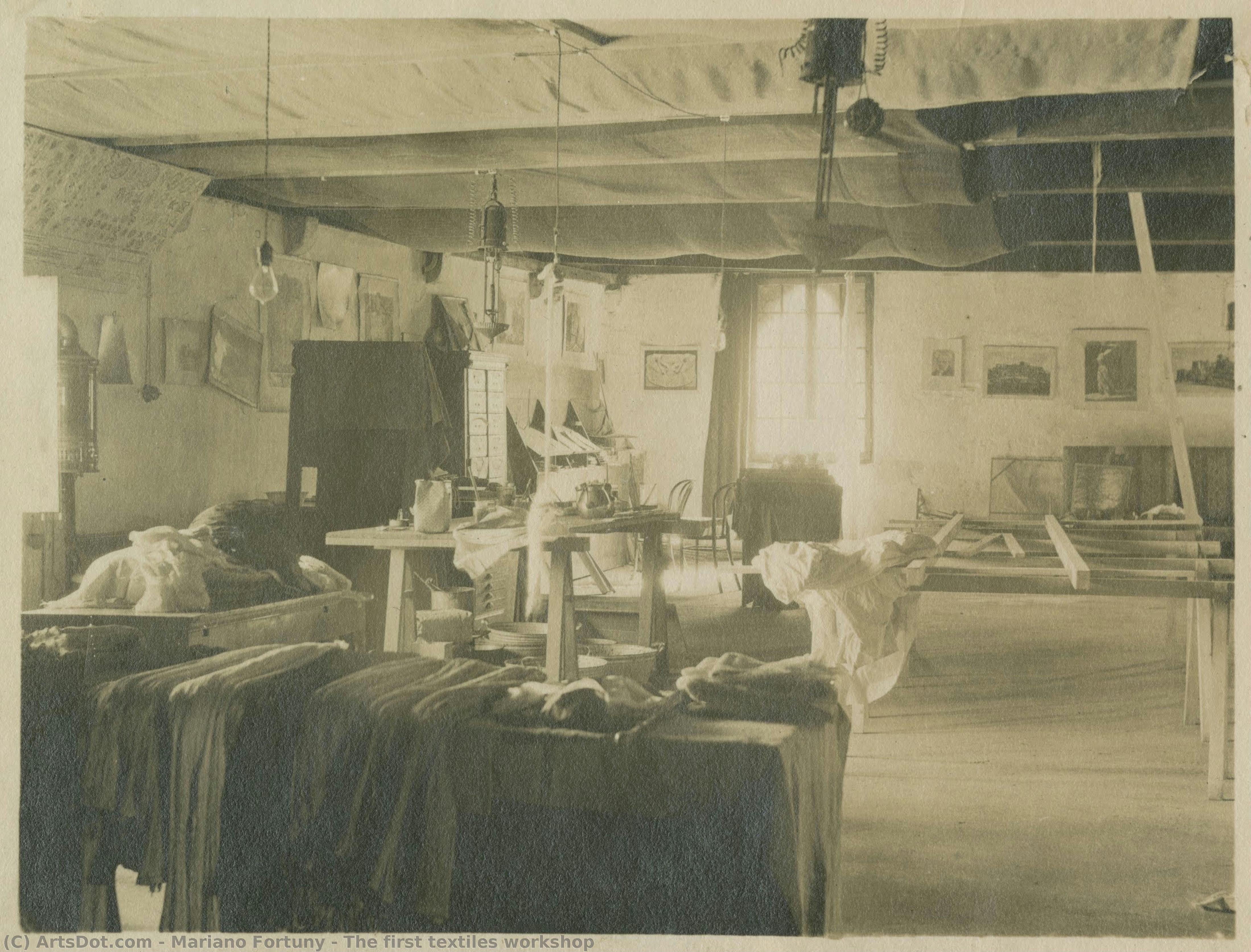
The first textiles workshop
 Acrylic On Canvas
- WallArt
- Orientalist Painting
 1907
1907- 19th Century
 9.0 x 12.0 cm
 Palazzo Fortuny
 Zobrazit více
Koupě vysoce rozlišeného, vylepšeného digitálního obrazu, který je mnohem kvalitnější než online náhled.
Každý soubor je pečlivě připraven našimi odborníky pomocí pokročilých nástrojů a expertní manuální retuše. Zajišťujeme, aby každý obraz disponoval výjimečnou ostrostí, přesnou barevnou věrností a jemnými detaily.
Finální soubor vám bude do 72 hodin zaslán e-mailem, optimalizovaný pro okamžité použití v profesionálním, redakčním i tiskovém prostředí. Nabízíme stejnou kvalitu, které důvěřují špičková designová studia, nakladatelství i galerie.
Digitální obrazy
Stáhněte si soubor ve vysokém rozlišení pro osobní prohlížení, tisk a kreativní projekty. ( Koupit tisk Koupit ručně malovaný obraz)
Součást každé objednávky digitálního obrazu
Profesionální digitální doručení, zaručeno.
Když si vyberete OriginalUniqueArt.com, nezískáváte pouze obrázek – získáváte digitální umělecké dílo s profesionálně vylepšenými detaily, zpracované s precizností a podpořené zárukou za spokojenost. Zde je vše, co vaše objednávka automaticky obsahuje:

Rychlé doručení e-mailem
Váš digitální obraz ve vysokém rozlišení vám bude zaslán e-mailem do 72 hodin od objednávky – připraven k okamžitému použití.

Digitální soubor s využitím AI
Vaše umělecké dílo je profesionálně optimalizováno pomocí pokročilých nástrojů umělé inteligence a manuální úpravy, což zajišťuje maximální úroveň detailu, ostrosti a přesnosti barev.

Bezplatné doživotní znovuodeslání
Soubor jste omylem smazali nebo ztratili? Žádný problém – kdykoliv vám ho znovu zašleme zcela zdarma.

Bez poplatků za dovoz – navždy
Užijte si své umělecké dílo okamžitě bez celních poplatků, daní nebo nákladů na dopravu – digitální stažení je vždy bez daňových povinností.

Záruka přesnosti barev
Pomocí profesionálních nástrojů a správy barev zajišťujeme, aby váš digitální obraz odrážel původní barvy co nejvěrněji.

60denní záruka spokojenosti
Pokud nebudete s digitální fotografií spokojeni, provedeme její revizi nebo vám vrátíme 100% během 60 dnů – bez jakýchkoliv dotazů.

100% záruka vrácení peněz
Nespokojeni? Získejte plnou částku zpět do 60 dní od přijetí vašeho digitálního souboru – bez jakýchkoliv dotazů.

Slevy při hromadných objednávkách
Koupěte si 3 obrazy, ušetřete 10% - Koupěte si 5, ušetřete 15% - Koupěte si 10+, ušetřete 20%. Ideální pro kreativní projekty, galerie a agentury.
Popis sběratelského kusu
A Studio of Dreams: The First Textiles Workshop by Mariano Fortuny
Captured in a striking black and white photograph, “The First Textiles Workshop” offers an intimate window into the creative heart of Mariano Fortuny y Madrazo’s studio. Dating back to 1907, this image isn't merely documentation; it’s a portal to a world where artistry seamlessly blended with industry, where the echoes of ancient cultures resonated within the walls of Venice’s Palazzo Pesaro degli Orfei. The scene is immediately arresting – a room brimming with the tangible evidence of a dedicated craft: bolts of fabric draped across walls, meticulously arranged bottles hinting at a vibrant palette of dyes, and a simple wooden table anchoring the space. Yet, it's more than just a workshop; it’s a testament to Fortuny’s revolutionary approach to design – one that sought to fuse historical inspiration with contemporary aesthetics.
- The Setting: The photograph places us within the third floor of Palazzo Pesaro degli Orfei, Venice, a location steeped in artistic history and serving as the nucleus for Fortuny’s groundbreaking textile enterprise.
- A Symphony of Materials: The abundance of fabric speaks volumes about the scale of operations – a full-fledged factory dedicated to producing luxurious textiles. The bottles suggest an extensive range of dyes, reflecting Fortuny's commitment to capturing and replicating the rich colors found in ancient cultures.
- Simplicity and Functionality: The arrangement is deliberately understated, emphasizing the practical nature of the space while hinting at the artistic vision taking shape within its confines.
Fortuny’s Revolutionary Techniques – A Legacy of Innovation
Mariano Fortuny was a true innovator, not just as a painter but as a designer and inventor. His textile workshop wasn't simply about creating beautiful fabrics; it represented a radical departure from traditional methods. He pioneered techniques that allowed him to reproduce the intricate patterns and textures inspired by civilizations like Minoan Crete, ancient Egypt, and the Islamic world – motifs previously inaccessible through conventional printing processes. His meticulous research into these cultures, combined with his own artistic sensibility, resulted in designs of unparalleled beauty and sophistication.
Key Innovations:- Direct Printing: Fortuny initially employed a direct printing method using wooden matrices, creating outlines that allowed the dye to seep through capillary action.
- Rotary Printing System (1910): His most significant invention was a mechanized rotary system for large-scale fabric printing, dramatically increasing production speed while maintaining the quality and artistry of his designs.
Echoes of Antiquity – Symbolism and Inspiration
The photograph itself is laden with symbolism. The hanging fabrics represent not just finished products but also the ongoing process of creation—a continuous dialogue between past and present. Fortuny’s fascination with ancient cultures wasn't merely academic; it was a deeply felt desire to recapture the beauty, elegance, and spiritual richness he perceived in these civilizations. His designs weren’t simply imitations; they were reinterpretations, infused with his own artistic vision and a profound respect for their origins. The bottles of dyes are particularly evocative, representing the transformative power of color – a key element in Fortuny's ability to evoke the atmosphere and spirit of distant lands.
A Timeless Vision – Fortuny’s Enduring Influence
“The First Textiles Workshop” offers a rare glimpse into the mind of a visionary artist. It reveals not just a working space but a crucible where historical research, technical innovation, and artistic passion converged. Fortuny's legacy extends far beyond his beautiful textiles; he fundamentally changed the way we think about design, demonstrating that inspiration can be found in the most unexpected places – and that beauty can be achieved through a synthesis of tradition and modernity. Reproductions of this photograph capture not only the physical space but also the spirit of experimentation and artistic exploration that defined Fortuny’s remarkable career.
Biografie umělce
Early Life and Inspiration
Mariano Fortuny, a name synonymous with opulent textiles, groundbreaking theatrical lighting, and a captivating blend of artistic disciplines, was born on May 11, 1871, in Granada, Spain. His early life was marked by profound loss – his father, Mariano Fortuny y Marsal, a celebrated genre painter, tragically passed away when the young boy was just three years old. This event profoundly shaped his family’s trajectory, leading them to relocate to Paris, France, where his mother, Cecilia de Madrazo, introduced him to the world of luxurious fabrics and materials, an experience that would irrevocably influence his artistic vision. From a remarkably young age, Fortuny demonstrated a prodigious talent across various mediums: painting, photography, sculpting, architecture, etching, and even theatrical stage lighting design. He wasn’t merely skilled; he possessed an innate curiosity and a relentless drive to innovate, quickly establishing himself as a multifaceted artist with a unique perspective. His childhood was filled with the tactile beauty of textiles – silks, velvets, brocades – each imbued with history and craftsmanship, fueling his desire to master their manipulation and transform them into works of art.Artistic Talents and Revolutionary Inventions
Fortuny’s artistic journey began in earnest during his time in Paris, where he honed his skills and developed a distinctive style characterized by a masterful command of color, texture, and composition. However, it was his inventive spirit that truly set him apart. He wasn't content to simply create beautiful objects; he sought to fundamentally change the way spaces were illuminated and experienced. This drive led to over twenty patented inventions between 1901 and 1934, revolutionizing the world of theatrical design. His most celebrated innovation was undoubtedly the “fortuny cyclorama dome,” a quarter-dome structure constructed from plaster or cloth designed to diffuse light in a seamless manner, creating an illusion of infinite space – a technique that dramatically enhanced stage productions. Fortuny’s treatise, "Eclairage Scenique" (1904), meticulously documented his groundbreaking discovery of reflecting light off various surfaces, demonstrating how manipulating the color, intensity, and properties of light could transform a scene's atmosphere and impact. This wasn’t just about lighting; it was about controlling perception itself. His work extended beyond the stage, encompassing architectural elements and even pioneering techniques in photography.Collaborations and Recognition
Fortuny’s artistic achievements quickly garnered widespread recognition throughout Europe and America during the 1920s. He forged significant collaborations with some of the most influential figures of his time, cementing his place within the international art scene. Perhaps most notably, he worked closely with Richard Wagner, the German composer, whose operas deeply inspired Fortuny’s visual interpretations of dramatic narratives. His designs for the famous opera house, La Scala in Milan, were particularly ambitious, adapting the cyclorama dome to accommodate the theater's vast scale and even inventing a sophisticated suction fan system to maintain the dome’s taut structure – a testament to his engineering ingenuity. Beyond Wagner, Fortuny collaborated with prominent patrons like the Countesses de Bearn, who commissioned elaborate sets for their private theaters, further elevating his reputation as a visionary designer. His work was celebrated by critics and collectors alike, establishing him as a leading figure in the avant-garde movement.Legacy and Enduring Influence
Mariano Fortuny passed away on May 3, 1949, in Venice, Italy, leaving behind a legacy that continues to resonate today. His influence extends far beyond his immediate artistic achievements; he inspired French novelist Marcel Proust, whose writings captured the ethereal beauty and enigmatic allure of Fortuny’s world. The story of his life was even depicted in Pere Gimferrer's novel "Fortuny," offering a fictionalized yet evocative portrayal of the artist’s complex personality and creative process. While Fortuny may have passed away decades ago, his innovations continue to shape theatrical lighting design, textile production, and our understanding of how art can transform spaces and evoke powerful emotions. His work stands as a testament to the power of interdisciplinary creativity and the enduring legacy of a true artistic visionary. Explore more about Mariano Fortuny’s inventions and designs at OriginalUniqueArt's collection, discover the impact of his work on theatrical lighting in the museum destroyed by fire (united states), a story of an unfortunate event that shaped american art history, available at OriginalUniqueArt's blog.
Mariano Fortuny
1871 - 1949 , Španělsko
Stručné informace
- Artistic Movement Or Style: Orientalism art
- Artists Or Movements Influenced By This Artist: ['Marcel Proust']
- Artists Who Influenced This Artist: ['Richard Wagner']
- Date Of Birth: 11. května 1871
- Date Of Death: 3. května 1949
- Full Name: Mariano Fortuny y Marsal
- Nationality: Španělský
- Notable Artworks:
- Teagown
- Portrét Henriette
- Place Of Birth: Granada, Španělsko

