Surrealist Expressionism · 1952
Liberec (Marc Chagall, 1952)
Marc Chagall (1887–1985) vytvořil dílo Liberec. Pochází z roku 1952. Patří k hnutí Surrealist Expressionism. Je vyrobeno z Olej na plátně. Rozměry jsou 168 × 88 cm.
- 1952
- Olej na plátně
- 168 × 88 cm

 Náhled v interiéru

 Ručně malovaná olejná reprodukce
 Sdílet
 Sdílet
 Informační list


 Stáhnout
 Podobné položky
 Rentgenové snímky
 Slideshow
 Otázky a odpovědi

 Statistiky
Liberec v kostce
- Název díla
- Liberec
- Autor
- Marc Chagall (1887–1985)
- Rok narození umělce
- Ljozna, Bělorusko
- Datum vytvoření
- 1952
- Technika
- Olej na plátně
- Rozměry
- 168 × 88 cm
- Období
- Modernismus
- Motiv
- jewish wedding, symbolism, faith & tradition, dreamlike scene, religious imagery, cubist influence
Co przedstawuje dílo Liberec?
A Celebration of Faith, Love, and Tradition
Created in 1952, this captivating artwork by Marc Chagall is a vibrant testament to the enduring power of love, faith, and cultural heritage. More than simply a depiction of a wedding ceremony, it’s a deeply symbolic and emotionally resonant composition that invites viewers into a dreamlike world brimming with spiritual intensity.
Stylistic Fusion: Cubism, Fauvism & Expressionism
Chagall masterfully blends the tenets of several early 20th-century art movements. The painting’s fragmented forms and multiple perspectives echo Cubist principles, while its bold, non-naturalistic color palette—dominated by fiery oranges, passionate reds, and luminous golds—draws heavily from Fauvism. These elements are unified through a distinctly Expressionist sensibility, conveying profound emotion and personal experience. This unique synthesis defines Chagall’s signature style, setting him apart as a truly original voice in modern art.
Decoding the Symbolism: A Narrative of Hope
The artwork is rich with symbolic imagery rooted in Jewish tradition and folklore. At its heart lies the depiction of a bride and groom, representing new beginnings and enduring partnership. A winged figure suggests divine blessing or angelic presence overseeing their union. Key motifs like the menorah (a symbol of faith), a scroll containing religious law, and a radiant red orb – possibly symbolizing life force or the sun – are interwoven throughout the composition, adding layers of meaning. Even the musicians playing instruments contribute to the celebratory atmosphere while hinting at communal joy.
Technique & Composition: Layers of Emotion
Chagall’s technique is characterized by a layering of paint and forms, creating a sense of depth and movement within the densely packed composition. The loose brushwork and impasto effects add texture and tactile quality to the canvas. The vertical orientation and arrangement of elements—reminiscent of stained glass or narrative panels—draw the eye upwards, fostering a feeling of spiritual ascension. This deliberate construction enhances the painting’s dreamlike quality and invites prolonged contemplation.
Historical Context & Chagall's Legacy
Created in the aftermath of World War II, this artwork can be interpreted as a hopeful expression of renewal and resilience within the Jewish community. Chagall, having experienced displacement and loss during his life, often infused his work with themes of memory, longing, and faith. His ability to synthesize personal experience with universal human emotions has cemented his place as one of the most beloved and influential artists of the 20th century.
Emotional Resonance & Interior Appeal
This artwork evokes a complex range of emotions – joy, sorrow, hope, and reverence. Its vibrant colors and dynamic composition make it a striking focal point for any interior space. Whether displayed in a home, office, or gallery, this reproduction offers not only aesthetic beauty but also a powerful reminder of the enduring human spirit and the importance of cultural heritage. It’s an investment that speaks to both artistic appreciation and emotional depth.
Vysokorozlišené fotografie díla Liberec

Protected by copyright: these files are for personal reference, not a licence to republish.
Marc Chagall, Liberec (1952).
Odpovědi na otázky k dílu Liberec
V jakém roce vzniklo dílo "Liberec"?
Dílo „Liberec“ od Marc Chagall vzniklo v roce 1952.
Jakou technikou je vytvořeno dílo "Liberec"?
Technikou díla „Liberec“ od Marc Chagall je Olej na plátně. Reprodukce mají za cíl věrně zachytit vzhled této techniky.
Jaké jsou rozměry originálu díla „Liberec“ od Marc Chagall?
Původní rozměry díla "Liberec" jsou 168 x 88 cm. Původní rozměry slouží jako užitečný vodítko při výběru velikosti reprodukce.
Co zachycuje dílo „Liberec“ od Marc Chagall?
Motivy díla „Liberec“ jsou jewish wedding, symbolism, faith & tradition, dreamlike scene, religious imagery, cubist influence, color palette.
Patří „Liberec“ od Marc Chagall do volného tisku?
Dílo „Liberec“ od Marc Chagall spadá do stále chráněno autorským právem. Tento stav určuje pravidla pro reprodukci obrazu tohoto díla.
Kdo vytvořil "Liberec"?
Dílo "Liberec" se připisuje autorovi Marc Chagall.
K kterému uměleckému směru patří „Liberec“ od Marc Chagall?
Dílo „Liberec“ od Marc Chagall patří k období směru Surrealist Expressionism, který dílu dodává jeho stylistický kontext.
Do které období tvorby Marc Chagall patří dílo „Liberec“?
„Liberec“ představuje období Mature Period umělce Marc Chagall.
Kolik let bylo Marc Chagall, když v roce 1952 vytvořil(a) dílo „Liberec“?
Při vzniku díla „Liberec“ v roce 1952 bylo umělcům Marc Chagall (narozenému/é v 1887) 65 let.
O umělci, Marc Chagall
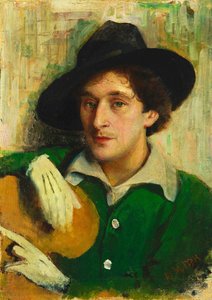
1887–1985, Bělorusko
Marc Chagall
Rané roky, rodina a vzdělávání Marc Chagall se na svět dostal 7. července 1887 ve Vitebsku v Ruském impériu jako Moishe Segal. Jako první z devíti dětí v prosté židovské rodině byl formován rytmem práce a drobnobudovního obchodu. Jeho otec, Khatskel Segal, pracoval jako zpracovatel sledí v obrovském skladu, zatímco jeho matka, Feïga-Ita Tchernina, vedla malý potravinářský obchod.
Také od autora Marc Chagall
 Já a vesnice1911
 Bílé ukřižování1938
 Narozeniny1915
 Nad městem1918
Eseje k tématu Liberec
 Impressionism vs. Expressionism: Capturing Light and EmotionMaster the technical differences between Impressionism and Expressionism. Discover the art of light and emotion now.
 20th century Belarusian painters20th-century Belarusian painters like Marc Chagall, Chaim Soutine, and Léon Bakst defined an era. Find museum-quality reproductions on Orig…
 Dreaming in Color: The 25 Most Iconic Masterpieces by Marc ChagallExplore 25 iconic Marc Chagall masterpieces. Discover the dreamlike stories behind his colors on OriginalUniqueArt.com.