Surrealism · 1938
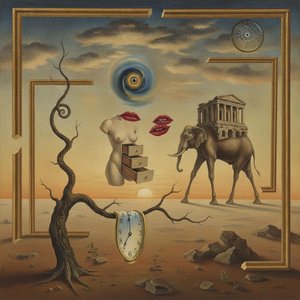
Pisces (Man Ray, 1938)
Man Ray (1890–1976) vytvořil dílo Pisces. Pochází z roku 1938. Patří k hnutí Surrealism. Je vyrobeno z Oil.
- 1938
- Oil

 Náhled v interiéru

 Ručně malovaná olejná reprodukce
 Sdílet
 Sdílet
 Informační list pro studenty


 Stáhnout
 Podobné položky
 Rentgenové snímky
 Slideshow
 Otázky a odpovědi

 Statistiky
Pisces v kostce
- Název díla
- Pisces
- Autor
- Man Ray (1890–1976)
- Rok narození umělce
- Philadelphia, Spojené státy americké
- Datum vytvoření
- 1938
- Technika
- Oil
- Pohyb
- Surrealism
- Období
- Modern
- Motiv
- nudes, woman
Co przedstawuje dílo Pisces?
Introduction to Man Ray and Surrealism
Man Ray, born Emmanuel Radnitzky in 1890, was an American visual artist who spent most of his career in France. He was a significant contributor to the Dada and Surrealist movements, although his ties to each were informal. Man Ray produced major works in a variety of media but considered himself a painter above all. Surrealism is an art movement that emerged in the early 20th century, characterized by its exploration of the unconscious mind and dreamlike imagery. The movement was influenced by Sigmund Freud's psychoanalytic theories and sought to break away from traditional notions of art, culture, and society.Man Ray's 'Pisces': A Surrealist Masterpiece
Man Ray: Pisces (Surrealism) is a painting that exemplifies the Surrealist movement's emphasis on the irrational and the unconscious. Created in 1938, this work features two fish, one male and one female, intertwined in a suggestive pose. The fish are depicted with human faces, adding to the dreamlike quality of the painting. The use of fish as a symbol is significant in Surrealism. Fish are often associated with the unconscious mind, as they live in the depths of the ocean and are not easily accessible to humans. In this painting, the fish represent the duality of human nature, with the male fish embodying logic and reason and the female fish representing emotion and intuition. Man Ray: Pisces (Surrealism) is also notable for its use of color. The painting features a muted palette, with the fish depicted in shades of blue and green. This color scheme adds to the dreamlike quality of the painting and creates a sense of calm and tranquility.Man Ray's Legacy
Man Ray's contributions to Surrealism cannot be overstated. His work challenged traditional notions of art and pushed the boundaries of what was considered possible in the medium. Today, his paintings are highly sought after by collectors and institutions around the world. If you're interested in learning more about Man Ray and Surrealism, be sure to check out Top 5 Famous Surrealism Paintings of All Time and Top 5 Famous Surrealism Artists of All Time on OriginalUniqueArt.com. These resources provide a comprehensive overview of the movement and its most notable artists and works. Man Ray: Pisces (Surrealism) is just one example of the many masterpieces that can be found in the Surrealist movement. Its dreamlike quality, use of symbolism, and innovative use of color make it a standout work that continues to inspire artists and collectors today.Vysokorozlišené fotografie díla Pisces

Chráněno autorským právem: tyto soubory slouží pouze pro osobní prohlídku, nikoliv jako licence k opětovnému zveřejnění.
Man Ray, Pisces (1938).
Odpovědi na otázky k dílu Pisces
V jakém roce vzniklo dílo „Pisces“ od Man Ray?
Jakou techniku bylo použito pro dílo „Pisces“ od Man Ray?
Co zachycuje dílo "Pisces"?
Je dílo „Pisces“ volné z autorských práv?
Kdo vytvořil "Pisces"?
K kterému uměleckému směru patří „Pisces“ od Man Ray?
„Pisces“ je dílo z období Surrealism. Tento směr představuje uměleckou tradici, jejíž je dílo součástí.
V jakém věku vytvořil/a Man Ray dílo „Pisces"?
O umělci, Man Ray

1890–1976, Spojené státy americké
Man Ray
A Life Illuminated by Shadows Emmanuel Radnitzky, a name forever intertwined with the enigmatic “Man Ray,” was more than just an artist; he was a restless spirit who defied easy categorization and relentlessly pursued the boundaries of perception. Born in Philadelphia in 1890 to Russian Jewish immigrant parents, his journey from aspiring painter to pioneering photographer and filmmaker encapsulates the radical artistic ferment of the early 20th century – a period defined by both immense upheaval and exhilarating creative experimentation. The shift from “Manny” Radnitzky to the iconic Man Ray wasn’t merely a stylistic choice; it represented a deliberate assertion of identity, a rejection of conventional labels in favor of an artistic persona unbound by expectation. His family's move to New York City proved to be a pivotal moment, plunging him directly into the heart of the burgeoning modernist scene and instilling within him a lifelong fascination with innovation and challenging established norms.
Také od autora Man Ray
 La Galerie Surréaliste, rue Jacques Callot
 Rayograph (The Kiss)1922
 Solarisation1931
 The Pavillion of Elegance
Eseje k tématu Pisces
 Katsushika Hokusai: 25 mistrovských děl japonského umění pro váš interiér | OriginalUniqueArt.comProzkoumejte 25 ikonických děl japonského mistra Katsushiky Hokusaiho! Objevte příběhy za Velkou vlnou, 36 pohledů na horu Fuji a další uki…
 What is Surrealism? Understanding the Movement of Dreams and RealityMaster the history of Surrealism from Dali to Magritte. Explore our catalog of museum-quality reproductions today.
 Unlocking the Subconscious: The Top 25 Masterpieces by Salvador DalíStep into the dreamscape of Salvador Dalí. Explore our curated guide to 25 iconic Surrealist masterpieces, from melting clocks to surreal l…