![Nuit De Noël [christimas Night] — Malick Sidibé](/media/artworks/images-full/3a/6b/3a6b907972fa2c0e72a1d0a6d3b6bb6b.jpg)
 Náhled v interiéru
 Sdílet
 Sdílet
 Podrobnosti o díle
 Průvodce

 Stáhnout
 Podobné položky
 Rentgenové snímky
 Slideshow
 Otázky a odpovědi
 Statistiky
Nuit de Noël [Christimas Night]

- 46.0 x 43.0 cm


 Zobrazit více
Umělecké dílo zobrazené na této stránce je chráněno autorským zákonem, což znamená, že nemůžeme legálně vytvářet ani prodávat jeho identickou reprodukci. Tato ochrana je vymáhána na základě mezinárodních dohod, jako například Berberská úmluva a národními zákony, včetně těch stanovených v Americký autorský zákon – Díl 17. Všechna práva vyhrazena.
Tato metoda je plně v souladu s autorským právem, protože nezahrnuje kopírování ani duplikování chráněného díla. Jde o kreativní reinterpretaci – nový obraz, který je inspirován originálem, ale není s ním identický.
Giclée / Umělecký tisk
Giclée nebo plátěný tisk muzeální kvality s rychlou výrobou a širokou nabídkou povrchových úprav. ( Koupit ručně malovaný obraz Přepnout na digitální obraz)




P118B Kč10

P118H Kč10

P118W Kč10

P438Z Kč10

P508JH Kč12

P508YH Kč12

P805H Kč10

P805Z Kč10

P919BZ Kč10

P919G Kč10

P919XJ Kč10

P959ZH Kč10

P968JZ Kč12

W106C Kč8

W218G Kč10

W218JH Kč8

W218Y Kč10

W307PJ Kč10

W316G Kč10

W316PJ Kč8

W316Y Kč10

W398PJ Kč8

W4111J Kč10

W500HY Kč15

W500JH Kč15

W692G Kč12

W849H Kč8

W940BG Kč15

W953PJ Kč8




Vyberte si z našich přednastavených velikostí, které odpovídají původním proporcím díla.

Zadejte šířku a výšku, které potřebujete pro váš rám nebo stěnu. Tisk lze pouze oříznout, nikdy však nelze zvětšit obraz nad jeho původní rozměr, proto při výběru jiného formátu dochází ke ztrátě části obrazu. Před samotným tiskem vám zašleme digitální náhled k schválení. Obraz zobrazený na této stránce nenabízí skutečný výřez — ten uvidíte pouze v náhledu.
Celosvětové doručení () do 2 týdnů namísto standardních 4/5 týdnů. (8 listopad)

Zdarma celosvětová expresní doprava

Vysoce kvalitní lněné plátno

Kompletní pojištění přepravy

Záruka vrácení celního poplatku

Záruka věrného barevného souladu

100dení lhůta pro vrácení zboží (pouze při vadách výroby)

100% záruka vrácení peněz

Sleva při více objednávkách
 Skleněná varianta je dostupná pouze u rozměrů menších než 110 cm
![Nuit de Noël [Christimas Night]](/static/images/originaluniqueart/artworks/painting.a1e74a1cb7dc.png)
Nuit de Noël [Christimas Night]
Giclée / Umělecký tisk
Rozměry reprodukce
-


Celková cena za vybrané možnosti reprodukcí
Kč 1763
Malick Sidibé: A Chronicle of Joy
Malick Sidibé’s work transcends mere documentation; it's an embodiment of Bamako’s vibrant spirit during the 1960s, a period marked by burgeoning independence and youthful exuberance. Born in Sologo, Mali, in 1936, Sidibé’s formative years instilled within him a profound connection to his cultural heritage—a sensitivity that would become the cornerstone of his artistic vision. His early education, facilitated by the generosity of the village chief, opened doors to formal schooling and ignited an initial fascination with drawing, setting the stage for his remarkable career as a photographer. Recognizing his talent, Guillat invited him into Yanfolila’s Institut National des Arts de Bamako, where he honed his craft alongside fellow artists and embraced the transformative influence of modern art movements. This pivotal encounter cemented Sidibé's commitment to capturing the essence of African culture through a distinctly humanist lens.- Subject Matter: Sidibé’s photographs depict scenes from Bamako nightlife—dancing couples, lively gatherings, and celebrations of youthful freedom. These images aren’t simply snapshots; they are portraits of individuals brimming with energy and optimism, reflecting the aspirations of a nation striving for progress.
- Style & Technique: Sidibé's signature style is characterized by its uncompromising simplicity—black and white gelatin silver prints executed with meticulous attention to detail. He favored tungsten lighting in his studio sessions, prioritizing natural light when possible. The grainy texture of the film captures the immediacy of the moment, conveying a palpable sense of spontaneity and authenticity.
- Historical Context: Sidibé’s work emerged during Mali's post-colonial era, coinciding with significant social and cultural shifts. His images powerfully communicate the optimism and dynamism of this transformative period, documenting the emergence of new forms of expression and celebrating the spirit of youthful rebellion against traditional constraints.
- Symbolism: Dancing itself symbolizes liberation, connection, and shared experience—themes that resonate deeply within Sidibé’s oeuvre. The figures in his photographs are often posed with a deliberate grace, conveying both vulnerability and confidence, embodying the hopes and dreams of an entire generation.
Nuit de Noël (Christmas Eve): A Celebration of Connection
“Nuit de Noël” – Christmas Eve – encapsulates Sidibé’s artistic ethos: capturing fleeting moments of joy and connection amidst the backdrop of urban life. The photograph depicts a couple dancing passionately on a street at night, illuminated by flickering street lamps. The composition is subtly tilted, adding to the sense of dynamism and spontaneity. Blurred elements in the background underscore the energy of the scene, emphasizing the movement of the dancers and creating depth within the frame. Sidibé’s masterful use of light and shadow sculpts the figures' forms, highlighting their contours and conveying a profound emotional resonance. The photograph serves as a testament to Sidibé’s ability to distill complex emotions into simple visual elements—a celebration of love, companionship, and the transformative power of music.Material & Craftsmanship: The Legacy of Film Photography
Sidibé's artistic process relied on traditional photographic techniques honed over decades of experience. He utilized an Agfa 6 × 6 camera with bellows to achieve precise framing and ensure optimal image quality. Careful calibration was paramount, reflecting Sidibé’s dedication to mastering his craft. The resulting prints were executed on photographic paper—a medium known for its archival stability and ability to reproduce tonal nuances faithfully. This deliberate choice underscores Sidibé's commitment to preserving the essence of his vision—a timeless portrayal of human emotion captured through the enduring legacy of film photography.Beyond Image: The Artist’s Vision
Malick Sidibé wasn’t merely documenting reality; he was crafting narratives—visual poems that conveyed profound truths about human experience. His work stands as a beacon of artistic integrity, demonstrating how observation and empathy can coalesce into powerful expressions of cultural identity. Sidibé's enduring influence stems from his unwavering belief in the transformative potential of art—a conviction that continues to inspire artists and collectors alike.Otázky a odpovědi
Působí barvy díla "Nuit de Noël [Christimas Night]" výrazně, nebo jemně?
Barvy v díle „Nuit de Noël [Christimas Night]“ od Malick Sidibé mají Monochromatic intenzitu.
Jak je známé dílo "Nuit de Noël [Christimas Night]" od Malick Sidibé?
„Nuit de Noël [Christimas Night]“ je klasifikováno jako Iconic.
Jakou atmosféru vyzařuje dílo "Nuit de Noël [Christimas Night]"?
„Nuit de Noël [Christimas Night]“ má Serene atmosféru.
Biografie umělce
A Chronicler of Joy: The Life and Legacy of Malick Sidibé
Malick Sidibé emerged from the rural heartland of Mali to become one of Africa’s most celebrated photographers, a visual poet who captured a nation in transition with an unparalleled eye for intimacy and dynamism. Born in 1936 in Sologo, his early life was steeped in traditional Malian existence – herding animals, working the land, far removed from the burgeoning urban center of Bamako. This formative period instilled within him a deep connection to his cultural roots, a sensibility that would profoundly shape his artistic vision. A pivotal moment arrived when he was selected by the village chief to attend school in Yanfolila, an opportunity that opened doors to education and ignited a nascent passion for art. His talent for drawing quickly became apparent, leading to commissions for official events and ultimately securing his acceptance into the Institut National des Arts de Bamako. It was there he encountered Gérard Guillat-Guignard, a French photographer who served as his mentor, guiding him through the technical intricacies of the medium not through formal instruction, but through observation and practical experience. This apprenticeship laid the foundation for Sidibé’s distinctive approach – one that prioritized capturing life as it unfolded, rather than staging contrived scenes.Bamako in Bloom: Documenting a Generation
In 1952, Sidibé relocated to Bamako, a city pulsating with energy and undergoing rapid transformation as Mali approached independence. He began his formal photographic training under Guillat-Guignard at the Gégé la Pellicule photo service boutique in 1955, honing his skills before acquiring his first camera, a Brownie Flash, in 1956. By 1957, he had established Studio Malick, becoming a fixture in Bamako’s social landscape. Sidibé didn't merely document the city; he immersed himself within it, drawn to the vibrant youth culture that was blossoming in the wake of colonial rule. His lens found its focus on sporting events, lively beach gatherings, pulsating nightclubs, and intimate moments of courtship – scenes that encapsulated a generation’s newfound freedoms and aspirations. He eschewed the formality of traditional studio portraiture, preferring instead to capture his subjects in candid moments, amidst the energetic backdrop of Bamako's social life. This approach resulted in striking black-and-white images imbued with an immediacy and authenticity that resonated deeply within Malian society and would eventually captivate audiences worldwide. His work wasn’t simply about *what* was being photographed, but *how* it felt to be alive during this exhilarating period of change.Style and Substance: A Unique Photographic Vision
Sidibé's artistic style is characterized by a remarkable blend of technical skill and empathetic observation. His background in drawing profoundly influenced his approach to portraiture; he carefully considered composition, posing subjects not for static representation but to convey a sense of life and movement. He possessed an innate ability to connect with his subjects, fostering a relaxed atmosphere that allowed their personalities to shine through. This intimacy is palpable in his photographs, creating a powerful connection between the viewer and those depicted. A recurring theme throughout his work is the celebration of post-colonial joy and the burgeoning youth culture of Mali during the 1960s and 70s. Music played an integral role in this era, and Sidibé’s images frequently depict scenes of dancing and revelry, capturing the liberating spirit of a generation embracing newfound freedoms. He utilized simple props – hats, scarves, sunglasses – to enhance his compositions, transforming ordinary settings into vibrant stages for self-expression. His photographs are inextricably linked to music – not merely as a backdrop, but as a driving force that united people and expressed their collective identity. Nuit de Noël (Christmas Eve), perhaps his most iconic image, exemplifies this perfectly: a smiling couple lost in dance, radiating an infectious energy that transcends cultural boundaries.Studio Malick: A Hub of Creativity
Alongside his celebrated documentary photographs of the Bamako nightlife, Sidibé created iconic portraits within his studio, named ‘Studio Malick’ and operating in the popular neighborhood of Bagadadji. The studio functioned as an important meeting place for the city youth – a space where young people could gather, socialize, and have their portraits taken. “The studio was like no other,” he recalls: “It was… relaxed. I did formal family shots, too, but often it was like a party. People would drop by, stay, eat. I slept in the developing room.” The studio’s atmosphere fostered a sense of community and creativity, becoming a vital center for self-expression and cultural exchange. His clients were not simply posing for pictures; they were actively participating in the creation of their own visual identities. He incorporated particular commodities onto the images: cars, cameras, radios, or Western clothing – symbols of aspiration and modernity within the context of post-colonial Mali. Photography functioned as an important tool in expressing belonging (actual or desired) to particular social and economic class, allowing people to reclaim agency over their image and construct their identities.International Recognition and Lasting Influence
Malick Sidibé’s work gained international recognition in the 1990s thanks to the efforts of photographer Françoise Haguier and curator André Magnin, who were dispatched by collector Jean Pigozzi to explore West African art. His photographs began appearing in exhibitions around the globe, garnering critical acclaim and establishing him as a major figure in contemporary photography. He received numerous prestigious awards throughout his career, culminating in the Golden Lion Award for Lifetime Achievement at the Venice Biennale in 2007 – a historic moment that made him both the first photographer and the first African to receive this honor. Other accolades included the Hasselblad Award, the International Center of Photography Infinity Award, and a World Press Photo Award. His work is now held in prominent collections worldwide, including the Contemporary African Art Collection (CAAC), the J. Paul Getty Museum, and the Museum of Modern Art in New York. Sidibé’s influence extends beyond the art world; his distinctive style has been acknowledged in popular culture, most notably inspiring Janet Jackson's 1997 music video "Got 'Til It's Gone," and Inna Modja’s 2015 video for “Tombouctou,” filmed within Studio Malick itself. Sidibé passed away in April 2016, leaving behind a profound legacy as one of Mali’s most important photographers and a pivotal figure in the history of African art. His photographs provide an invaluable visual record of post-colonial Malian society, offering a unique perspective on a period of rapid social and cultural change. He elevated documentary photography to new heights, demonstrating that powerful storytelling could emerge from seemingly ordinary moments. He wasn’t simply taking pictures; he was preserving memories, celebrating life, and documenting the evolution of a nation. His photographs serve as a testament to the resilience, joy, and creativity of the Malian people, ensuring that their stories are told and remembered for generations to come. Sidibé's enduring influence continues to inspire contemporary artists and photographers, solidifying his position as a master chronicler of Malian culture and a celebrated figure in the global art landscape.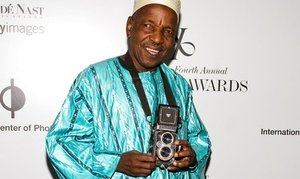
Malick Sidibé
1936 - 2016 , Mali
Rychlé informace o umělci
- Artistic Movement Or Style: Fotografie dokumentární
- Artists Or Movements Influenced By This Artist:
- Inna Modja
- Janet Jackson
- Artists Who Influenced This Artist: ['Gérard Guillat-Guignard']
- Date Of Birth: 1936
- Date Of Death: 2016
- Full Name: Malick Sidibé
- Nationality: Malian
- Notable Artworks:
- Nuit de Noël
- James Brown Fans
- Place Of Birth: Sologo, Mali
Související články

Top 10 slavných obrazů vládnutých bílou barvou – Umění a inspirace pro interiér
Objevte top 10 slavných obrazů, kde bílá barva hraje klíčovou roli. Claude Monet, Van Gogh a další mistři! Inspirace pro váš interiér a reprodukce umění nejvyšší kvality na OriginalUniqueArt.com.

Top 10 slavných obrazů s dominantní černou barvou | OriginalUniqueArt.cz
Prozkoumejte 10 nejslavnějších obrazů s dominantní černou barvou od Van Gogha, Muncha a dalších mistrů. Objevte příběhy za uměleckými díly, techniky a inspiraci. Reprodukce obrazů nejvyšší kvality na OriginalUniqueArt.com.

Shadow & Soul: Why Black & White Photography Remains the Ultimate Power Move in Modern Art
Discover why black & white photography remains a powerful force in contemporary art. Explore the impact of light, shadow, and texture through a visual journey of monochrome mastery and learn how to elevate your space with timeless grayscale aesthetics.

Timeless & Chic: Elevating Your New Home with the Sophistication of Black and White Photography
Transform your new home with the timeless allure of black and white photography. OriginalUniqueArt.com specializes in elegant monochrome decor and custom hand-painted wedding portraits that turn cherished milestones into lasting, soulful masterpieces. Elevate your space with ease.

Monochrome Visions: Exploring the Aesthetic & Historical Significance of Black & White Photography
Explore the rich history & artistic power of black and white photography. From early techniques to iconic masters like Ansel Adams, discover why monochrome continues to captivate art lovers today. Expert insights for collectors.