

 Náhled v interiéru
 Sdílet
 Sdílet
 Podrobnosti o díle
 Průvodce

 Stáhnout
 Podobné položky
 Rentgenové snímky
 Slideshow
 Statistiky
St Stephen
 Acrylic On Canvas
- WallArt
- Renaissance/Baroque
 67.0 x 50.0 cm
 Museo del Prado
 Zobrazit více
Giclée / Umělecký tisk
Giclée nebo plátěný tisk muzeální kvality s rychlou výrobou a širokou nabídkou povrchových úprav. ( Koupit ručně malovaný obraz Přepnout na digitální obraz)




P118B Kč10

P118H Kč10

P118W Kč10

P438Z Kč10

P508JH Kč12

P508YH Kč12

P805H Kč10

P805Z Kč10

P919BZ Kč10

P919G Kč10

P919XJ Kč10

P959ZH Kč10

P968JZ Kč12

W106C Kč8

W218G Kč10

W218JH Kč8

W218Y Kč10

W307PJ Kč10

W316G Kč10

W316PJ Kč8

W316Y Kč10

W398PJ Kč8

W4111J Kč10

W500HY Kč15

W500JH Kč15

W692G Kč12

W849H Kč8

W940BG Kč15

W953PJ Kč8




Vyberte si z našich přednastavených velikostí, které odpovídají původním proporcím díla.

Zadejte šířku a výšku, které potřebujete pro váš rám nebo stěnu. Tisk lze pouze oříznout, nikdy však nelze zvětšit obraz nad jeho původní rozměr, proto při výběru jiného formátu dochází ke ztrátě části obrazu. Před samotným tiskem vám zašleme digitální náhled k schválení. Obraz zobrazený na této stránce nenabízí skutečný výřez — ten uvidíte pouze v náhledu.
Celosvětové doručení () do 2 týdnů namísto standardních 4/5 týdnů. (25 říjen)

Zdarma celosvětová expresní doprava

Vysoce kvalitní lněné plátno

Kompletní pojištění přepravy

Záruka vrácení celního poplatku

Záruka věrného barevného souladu

100dení lhůta pro vrácení zboží (pouze při vadách výroby)

100% záruka vrácení peněz

Sleva při více objednávkách
 Skleněná varianta je dostupná pouze u rozměrů menších než 110 cm

St Stephen
Giclée / Umělecký tisk
Rozměry reprodukce
-


Celková cena za vybrané možnosti reprodukcí
Kč 1711
The Silent Witness: Luis de Morales’s St Stephen
Luis de Morales's "St Stephen" isn’t merely a painting; it’s a profound distillation of faith, sorrow, and the quiet dignity of martyrdom. Executed in the late 16th century during a period of fervent religious fervor in Badajoz, Spain, this work stands as a testament to the artist’s extraordinary ability to imbue biblical scenes with palpable emotion and anatomical realism—a hallmark of his distinctive style. The painting depicts St Stephen, the first Christian martyr, not in grand, triumphant pose, but rather in a moment of contemplative stillness, a figure rendered with an almost unnerving intimacy that draws the viewer into his inner world.
Morales’s artistic lineage is deeply rooted in the traditions of Spanish religious art, yet he transcends mere imitation. He masterfully blends elements of the Renaissance and Baroque, employing a meticulous attention to detail reminiscent of Flemish painting—particularly evident in the rendering of St Stephen's skin, which exhibits a remarkable sensitivity to light and shadow – pores, wrinkles, and subtle variations in tone that suggest both age and suffering. The composition is deliberately restrained, focusing entirely on the figure of the saint, set against a subtly rendered landscape that hints at the desolate terrain where he met his tragic end.
A Study in Light and Shadow: Technique and Materials
The painting’s power resides significantly in Morales's masterful manipulation of light. He utilizes *chiaroscuro*—the dramatic contrast between light and dark—to sculpt St Stephen’s form, emphasizing his vulnerability and the weight of his impending fate. The muted palette – dominated by earthy browns, ochres, and subtle blues – contributes to a sense of solemnity and gravity. The artist employed oil on panel, a technique favored for its ability to achieve rich colors and nuanced textures. Close examination reveals an incredibly detailed surface, achieved through countless layers of thin glazes—a painstaking process that speaks volumes about Morales’s dedication to his craft.
Notably, the painting's execution suggests a deep understanding of human anatomy, a skill honed through years of observation and study. The pose is naturalistic, conveying a sense of quiet resignation rather than dramatic anguish. The artist doesn’t shy away from depicting the physical realities of martyrdom – the bald head, the weathered face, the simple garment—transforming a biblical narrative into a deeply human experience.
Symbolism and Spiritual Resonance
Beyond its technical brilliance, “St Stephen” is rich in symbolic meaning. The saint’s posture, with his hand resting gently on his chest, evokes the image of Christ's sacrifice. The presence of the three stones—a direct reference to his brutal execution—underscores the painting’s central theme: unwavering faith in the face of persecution. The rocky landscape, sparsely populated and bathed in a melancholic light, serves as a potent metaphor for the desolate spiritual journey undertaken by those who choose to follow Christ.
Furthermore, St Stephen's baldness is not merely a detail of representation; it’s a deliberate allusion to his role as a deacon, signifying his service and humility. The painting invites contemplation on themes of sacrifice, faith, and the enduring power of spiritual conviction—themes that resonated deeply with viewers during Morales’s time and continue to hold profound significance today.
A Legacy of Devotion: Reproduction and Artistic Value
Reproductions of “St Stephen” offer a remarkable opportunity to experience the depth and emotional resonance of this extraordinary work. The meticulous detail, combined with Morales's masterful use of light and shadow, ensures that these reproductions capture the essence of the original painting—a testament to the artist’s skill and vision. Whether displayed in a private residence or a public space, this image serves as a powerful reminder of the enduring legacy of Spanish religious art and the timeless themes it explores.
Consider commissioning a hand-painted reproduction from OriginalUniqueArt.com – an authentic recreation that honors Morales’s artistic legacy while bringing his profound vision into your home or studio. It's more than just a picture; it’s a window into the soul of a master artist and a celebration of faith, sacrifice, and the enduring power of human spirit.
Otázky a odpovědi
Jakým způsobem se dílo „St Stephen“ zapojuje do témat a stylu umělce Luis De Morales?
V rámci tvorby umělce Luis De Morales se dílo „St Stephen“ řadí do stylu Renaissance/Baroque a doplňuje tak motivy religious devotion, renaissance realism, spanish piety, morales’ style, martyrdom, biblical narrative”, “devotional imagery, spiritual focus”.
Kdo je autorem díla "St Stephen" a do kterého uměleckého směru patří?
Autorem díla "St Stephen" je Luis De Morales, který patřil k hnutí Renaissance/Baroque.
Jaký je poměr stran díla „St Stephen“ od Luis De Morales a jaké jsou jeho rozměry?
Formát díla „St Stephen“ je Portrait a originál měří 67 x 50 cm. Obě informace jsou užitečné při plánování reprodukce.
Biografie umělce
Luis de Morales: Boží malíř z Badajoz
Luis de Morales (cca 1509 – 9. května 1586), který byl s láskou nazýván „El Divino“, stojí jako jedna z nejváženějších postav španělské renesanční malby. Byl to umělec, jehož hluboká spiritualita a ohromující realismus fascinovaly diváky po celou dobu jeho života a i staletí později neustále vyvolávají obdiv. Narodil se v Badajoz, ve regionu Extremadura, a jeho umělecká cesta se odvíjela na pozadí rozkvétajících humanistických ideálů a náboženského fervoru. Tyto vlivy z něj učinily bezkonkujícího mistra devocejších obrazů a upevdily jeho odkaz jako typického umělce své éry.- Raný život a vlivy: O Moralesových formativních letech není k dispozici mnoho přesných informací kromě historických záznamů, které potvrzují jeho narození v Badajoz kolem roku 1509. Jeho umělecké vzdělávání pravděpodobně začalo pod vedením Hernanda Sturmia, flamandského malíře usazeného v Badajoz, a možná i Pedra de Campañy, významného umělce působícího v Seville – míst, která byla během renesance proslulá svými živými uměleckými tradicemi.
- Lombardská škola a florentské ozvěny: Raná díla Moralese nesou nepopiratelné stopy lombardské školy Leonarda da Vinci, která se vyznačovala jemným sfumato (rozmazané kontury) a atmosférickou perspektivou. Současně vstřebával vlivy z díla Michelangelo, jehož monumentální sochy mu vštípily mistrovské porozumění anatomii a expresivní gestikulaci. Tyto formativní zkušenosti hluboce ovlivnily jeho uměleckou citlivost.
Období definované anatomickou přesností a duchovní hloubkou
Moralesova umělecká tvorba se může obecně rozdělit do dvou odlišných období, která odrážejí proměnlivé stylistické trendy a intelektuální proudy. První fáze, trvající přibližně od roku 1539 do roku 1560, byla svědkem pokračujícího vztahu k florentské estetice – zejména k Michelangelovo anatomickému rigorismu – což vedlo k vzniku obrazů naplněných hmatatelnými emocemi a dramatickým napětím. Díla jako La Virgen del Pajarito jsou příkladem tohoto raného stylu, který vykazuje precizní detaily a vyjadřuje hlubokou duchovní kontemplaci.- Druhé rozkvětení: Po svatbě s Leonor de Chaves a následném přestěhování do Alcántary zažil Morales pozorovatelnou uměleckou renesanci. V tomto období vytvořil díla, která posunula hranice renesanční techniky – zejména v oblasti anatomické přesnosti – a čerpala inspiraci z německých a flamandských malířů, kteří prosazovali chiaroscuro (kontrast mezi světlem a tmou) a důsledné pozorování přírody.
- Významná úspěšná díla: Mezi jeho nejslavnější obrazy patří La Piedad (1560) uložená v katedrále v Badajoz, dechberoucí zobrazení Marie trávící smrt Ježíše – což je svědectvím o Moralesově bezkonkurenční schopnosti vyjádřit smutek; San Juan de Ribera (1564) v madridském muzeu Prado a Ecce Homo, které je vystaveno v Hispanic Society of America. Tato díla zůstávají trvalými symboly renesanční pobožnosti a umělecké excellence.
Odkaz a uznání
Vliv Luise de Moralese přesáhl daleko jeho vlastní život, čímímž se stal pilířem španělské renesanční malby a zajistil si místo mezi největšími malíři své generace. Jeho neochvějná oddanost náboženským tématům – vyjádřená dechberoucím realismem a naplněná hmatatelnými emocemi – hluboce rezonovala s diváky po celé Evropě. Dnes jsou jeho obrazy uloženy v prestižních institucích po celém světě – včetně muzea Prado v Madridu a Kingston Lacy House v Dorsetu – což svědčí o jejich trvalé umělecké hodnotě a historickém významu. Moralesův odkaz nadále inspiruje umělce i vědce a zajišťuje, že „El Divino“ zůstane majákem duchovního umění pro budoucí generace.Vybraná díla
- La Virgen del Pajarito (Panna s ptáčkem) (1546), uchovává se v kostele San Agustín v Madridu.
- La Piedad (Pieta) (1560), uchovává se v katedrále v Badajoz.
- San Juan de Ribera (1564), v muzeu Prado, Madrid.
- Ecce Homo, v Kingston Lacy House (National Trust), Dorset, Velká Británie.
- Virgen de la leche (Panna kojící), v muzeu Prado.
- St. Jerome in the Wilderness (Svatý Jeroným na poušti), v Národní galerii v Irsku, Dublin.

Luis De Morales
1509 - 1586 , Španělsko
Rychlé informace o umělci
- Artistic Movement Or Style: Manýrismus
- Artists Or Movements Influenced By This Artist: ['Michelangelo']
- Artists Who Influenced This Artist:
- Rafael Sanzio
- Leonardo da Vinci
- Date Of Birth: 1509
- Date Of Death: 1586
- Full Name: Luis de Morales
- Nationality: Španělský
- Notable Artworks:
- La Virgen del Pajarito
- La Piedad
- San Juan de Ribera
- Ecce Homo
- Place Of Birth: Badajoz, Španělsko
Související články
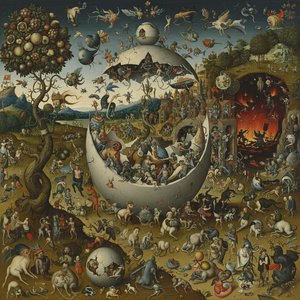
Hieronymus Bosch: Top 25 mistrovských děl pro váš interiér | OriginalUniqueArt.com
Prozkoumejte 25 ikonických děl Hieronymuse Bosche! Obrazy plné symboliky, středověké fantazie a alegorií. Reprodukce v nejvyšší kvalitě pro váš interiér na OriginalUniqueArt.com. Inspirace a umělecké tisky online.

Francisco Goya: 25 mistrovských děl španělského génia | OriginalUniqueArt.cz
Prozkoumejte 25 ikonických děl Francisca Goyi – od romantických portrétů po temné tiskoviny. Objevte příběhy, techniky a umělecký význam španělského mistra na OriginalUniqueArt.cz. Reprodukce obrazů pro váš interiér.

O nás
Objevte náš příběh! Přinášíme umění světové úrovně do vašeho života prostřednictvím odborného výběru, zakázkové tvorby a bezplatných náhledů. Osvědčeno jednotlivcům i firmám od roku 2000.

Oil on Canvas: A Historical & Technical Exploration of a Timeless Artistic Medium
Explore the rich history & enduring techniques of oil painting on canvas. Discover the science behind its longevity, conservation practices, and contemporary relevance. Expert insights for art enthusiasts.

El Greco: 25 mistrovských děl pro váš interiér | OriginalUniqueArt.com
Prozkoumejte 25 ikonických děl El Greco – španělského mistra renesance a baroka. Obdivujte jeho duchovní malby, portréty a unikátní styl na OriginalUniqueArt.com. Reprodukce obrazů pro váš interiér.