
 Náhled
 Sdílet
 Sdílet
 Podrobnosti o díle

 Stáhnout
 Podobné položky
 Rentgenové snímky
 Slideshow
Rushen Abbey
 Impressionism
 1800
1800 23.0 x 29.0 cm
 Manx National Heritage
 Zobrazit více
Giclée / Umělecký tisk
Giclée nebo plátěný tisk muzeální kvality s rychlou výrobou a flexibilními možnostmi povrchové úpravy. ( Koupit ručně malovaný obraz Koupit obrázek)




P118B $10

P118H $10

P118W $10

P438Z $10

P508JH $12

P508YH $12

P805H $10

P805Z $10

P919BZ $10

P919G $10

P919XJ $10

P959ZH $10

P968JZ $12

W106C $8

W218G $10

W218JH $8

W218Y $10

W307PJ $10

W316G $10

W316PJ $8

W316Y $10

W398PJ $8

W4111J $10

W500HY $15

W500JH $15

W692G $12

W849H $8

W940BG $15

W953PJ $8




Vyberte si z našich přednastavených velikostí, které odpovídají původním proporcím díla.

Můžete zadat vlastní rozměry tak, aby výtvor odpovídal konkrétnímu rámu nebo prostoru. Pokud zvolená velikost nebude odpovídat poměru stran původního obrazu, dílo buď ořížeme, nebo obraz rozšíříme pomocí zrcadlového efektu či jednobarevného okraje. Před zahájením výroby vám bude zaslán digitální náhled k schválení.
Mějte prosím na paměti, že náhled na obrazovce neodráží skutečné oříznutí nebo rozšíření. Pouze digitální náhled přesně zobrazí finální kompozici.
Ačkoliv jsou k dispozici i vlastní rozměry, pro zachování původních proporcí doporučujeme vybrat si rozměr z předdefinovaného seznamu.
Celosvětové doručení () do 2 týdnů namísto standardních 4/5 týdnů. (14 srpen)

Zdarma celosvětová expresní doprava

Vysoce kvalitní lněné plátno

Kompletní přepravní pojištění

Záruka vrácení celního poplatku

Záruka přesného barevného shodu

60denní lhůta pro vrácení zboží (pouze při vadách výroby)

100% garance vrácení peněz

Sleva při hromadné objednávce
 Skleněná varianta je dostupná pouze u rozměrů menších než 110 cm

Rushen Abbey
Giclée / Umělecký tisk
Rozměry reprodukce
-


Celková cena za výběr
$ 80
Popis sběratelského kousku
A Glimpse into History: Lucy Emma Lynam’s Rushen Abbey
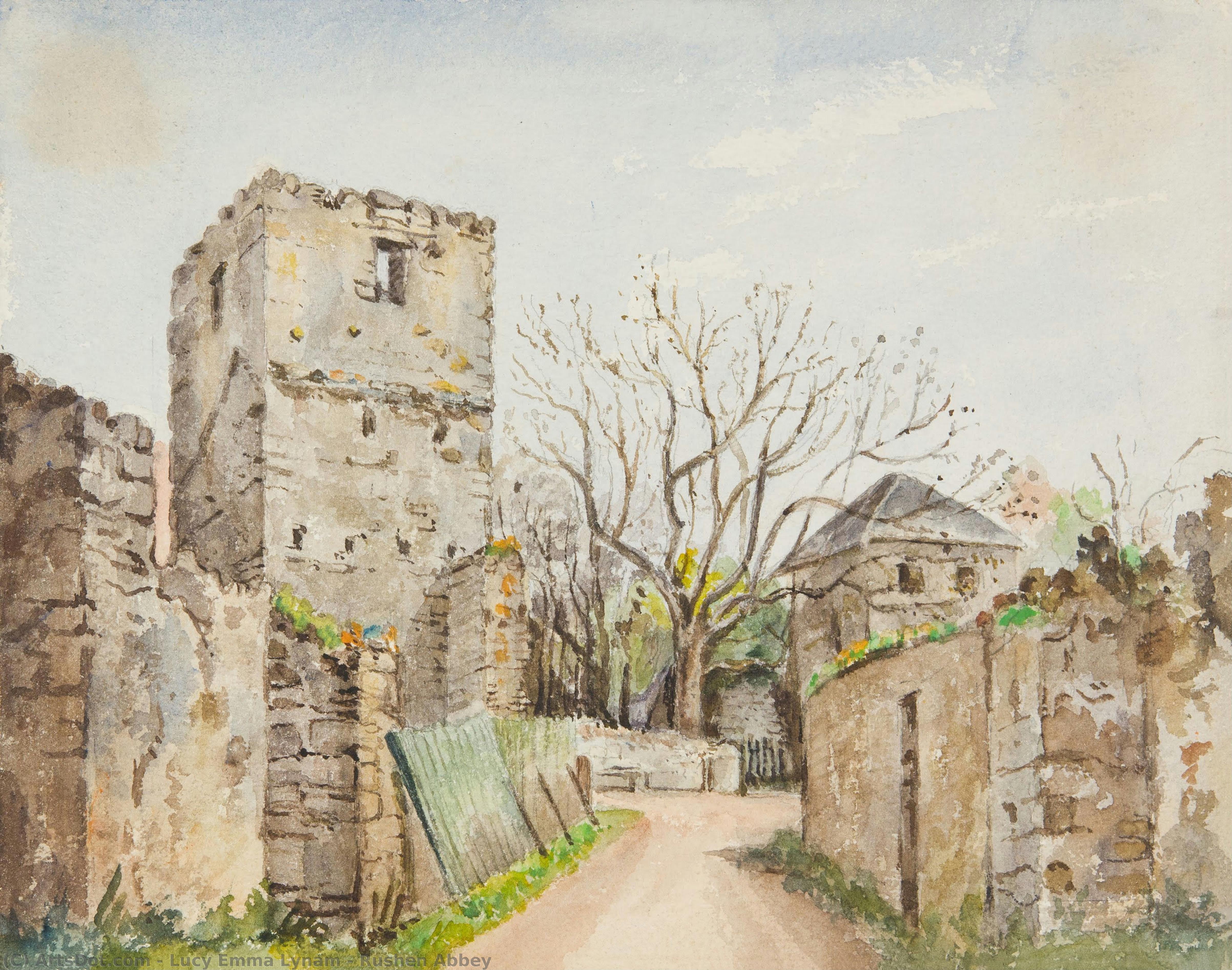
This captivating watercolor painting by Lucy Emma Lynam offers a poignant view of *Rushen Abbey*, a site steeped in history and atmospheric beauty. Created around 1800, the artwork transcends a simple depiction of ruins; it's an evocative journey into the past, rendered with delicate skill and a keen eye for detail. Measuring 23 x 29 cm, this piece invites close contemplation, drawing viewers into its tranquil scene. The abbey itself, once a thriving monastery, is now property of the Deemster – a detail that subtly underscores the passage of time and shifting ownership reflected in the artwork’s very subject matter.Style & Technique: Impressionistic Realism
Lynam masterfully blends realism with impressionistic touches. The painting isn't about photographic precision, but rather capturing the *feeling* of Rushen Abbey. Loose, expressive lines define the rough textures of the weathered stone, while the winding lane beckons the eye deeper into the composition. Wet-on-wet watercolor technique is central to her approach, allowing for soft edges and a diffused quality of light that suggests an overcast day. This technique lends itself beautifully to conveying the dampness of the path and the overall sense of age and serenity. The muted, earthy color palette further enhances this atmosphere, creating a harmonious visual experience. Organic shapes – irregular stones, rounded walls, and branching trees – dominate, mirroring the natural world reclaiming the man-made structure.Historical Context & Symbolism
Rushen Abbey, located on the Isle of Man, boasts a rich history dating back to the 12th century. Lynam’s painting captures it at a point where its former magnificence has faded, yet its “gloomy grandeur” remains palpable. The tower, prominently featured, can be interpreted as a symbol of resilience and enduring strength – a testament to the abbey's survival through centuries of change. The lane itself suggests a journey, not just physically into the heart of the ruins, but also metaphorically through time. It invites reflection on the lives lived within those walls and the stories they hold. The artwork serves as a visual document, preserving a moment in the abbey’s history for future generations.Emotional Impact & Interior Design
This watercolor evokes feelings of tranquility, nostalgia, and perhaps even a touch of melancholy. It's a piece that invites quiet contemplation and offers a respite from the modern world. Its subdued palette and atmospheric quality make it exceptionally versatile for interior design. *Rushen Abbey* would be particularly well-suited to libraries, studies, or bedrooms – spaces where a sense of calm and historical resonance is desired. The artwork’s size makes it ideal for smaller walls or as part of a curated gallery wall. A high-quality reproduction allows art lovers to bring this piece of history and beauty into their own homes, adding a touch of timeless elegance and intellectual depth to any space.Biografie umělce
James McNeill Whistler: A Symphony of Light and Shadow
Born in Lowell, Massachusetts, in 1834, James Abbott McNeill Whistler’s artistic journey was a transatlantic odyssey, shaped by diverse influences and culminating in a uniquely evocative style. His early life, marked by a brief sojourn in Russia with his father, a civil engineer working on the railway to Moscow, instilled in him an appreciation for both European and Russian aesthetics. Returning to America, he briefly attended the United States Military Academy at West Point, but found himself drawn away from military pursuits towards the burgeoning world of art. Whistler’s artistic development began formally with drawing lessons under Robert W. Weir, yet his true education unfolded through independent study and a profound engagement with European painting traditions – particularly those of Dutch masters like Rembrandt and Vermeer, alongside Spanish Baroque painters such as Velázquez.
Whistler's arrival in Paris in 1855 proved pivotal. He immersed himself in the Parisian art scene, studying at the “petite école” (the École Royale des Beaux-Arts) and working with Charles Gleyre’s independent atelier. This environment exposed him to a range of artistic approaches, including those of emerging Impressionists like Monet and Renoir. Crucially, Whistler cultivated friendships with figures like Carolus-Duran and Édouard Manet, absorbing their innovative ideas and techniques. His early works, such as *Self-Portrait* (1857–58) and the *Twelve Etchings from Nature* (*The French Set*, 1858), demonstrate a nascent realism tempered by an interest in capturing subtle tonal variations – a foreshadowing of his later aesthetic concerns. He was deeply influenced by the writings of Charles Baudelaire and Théophile Thoré, whose explorations of beauty and sensation resonated with Whistler’s own artistic vision.
The Pursuit of “Art for Art’s Sake”
Whistler's artistic philosophy centered on the concept of "art for art's sake," a radical notion at the time that prioritized aesthetic experience over moral or narrative content. He rejected the prevailing trend of painting with didactic purpose, arguing instead that the primary function of art was to evoke beauty and harmony through careful manipulation of color, light, and form. This approach led him to develop a distinctive style characterized by muted palettes, simplified forms, and an emphasis on tonal relationships – what he termed “sympathy.” His paintings often eschewed traditional subject matter, favoring scenes of urban life, interiors, and portraits that were less concerned with depicting reality than with capturing a specific mood or atmosphere.
This philosophy is vividly illustrated in his most famous work, *Arrangement in Grey and Black No. 1* (1871), commonly known as *Whistler’s Mother*. Initially dismissed by critics for its apparent lack of narrative content, the painting has since become an iconic image, celebrated for its quiet dignity and subtle emotional resonance. Similarly, his nocturnes – paintings depicting scenes at night – exemplify this aesthetic principle. Works like *Nocturne in Black and Gold, the Falling Rocket* (1872) demonstrate Whistler’s ability to capture the ethereal quality of darkness through a masterful orchestration of color and light, transforming a simple train journey into a symphony of visual sensation.
Technique and Innovation
Whistler's technical innovations extended beyond his aesthetic choices. He was a pioneer in the field of printmaking, developing a unique approach to etching that emphasized tonal variations and subtle textures. His prints, such as *Nocturne: Blue and Silver – Chelsea* (1879), demonstrate a remarkable command of line and tone, creating images that are both delicate and powerful. Whistler also experimented with color printing techniques, producing vibrant chromolithographs that showcased his mastery of color theory. He meticulously studied the properties of light and color, applying scientific principles to his artistic practice – a characteristic that further distinguished him from many of his contemporaries.
Legacy and Influence
James McNeill Whistler’s impact on the art world was profound and enduring. He challenged conventional notions of what constituted “good” art, advocating for a more subjective and experiential approach to painting. His writings and lectures helped to shape the aesthetic debates of his time, influencing artists such as Monet, Renoir, and Vincent van Gogh. Furthermore, Whistler’s emphasis on tonal harmony and atmospheric effects paved the way for later developments in Impressionism and Post-Impressionism. He was elected an honorary member of the Royal Academy of Fine Arts, Munich (1892) and became an officer of the Légion d'honneur (1898), recognizing his contributions to French culture. Whistler’s legacy continues to resonate today, reminding us of the power of art to evoke emotion, stimulate imagination, and transcend the limitations of representation.

lucy emma lynam
1834 - , United Kingdom
Rychlé fakta
- Artistic Movement Or Style: Aestheticism, Tonalism
- Artists Or Movements Influenced By This Artist:
- Aesthetic Movement
- Impressionism
- Artists Who Influenced This Artist:
- Rembrandt
- Vermeer
- Velázquez
- Date Of Birth: July 10, 1834
- Date Of Death: July 17, 1903
- Full Name: James Abbott McNeill Whistler
- Nationality: American-British
- Notable Artworks:
- Arrangement in Grey and Black No. 1
- Whistler’s Mother
- Nocturne in Black and Gold
- Place Of Birth: Lowell, Massachusetts, USA
Související články

10 legendárních akvarelů, které změnily svět umění | OriginalUniqueArt
Objevte 10 legendárních akvarelů od Turner, Monet a dalších mistrů! Ponořte se do historie umění a inspirujte se pro váš interiér. Kvalitní reprodukce na OriginalUniqueArt.com.

Ephemeral Visions: Exploring the Artistic Legacy & Contemporary Practice of Watercolor Painting
Explore the captivating world of watercolor painting! Discover its rich history, essential techniques, influential artists & collecting tips. A comprehensive guide for art enthusiasts from OriginalUniqueArt.

Ephemeral Visions: Exploring the History & Emotional Resonance of Watercolor Painting
Explore the captivating history of watercolor painting, from ancient techniques to modern masters like Kandinsky & Blake. Discover essential artists, collecting tips & the emotional power of this luminous medium. Expert insights for art enthusiasts.

Ephemeral Visions: Exploring the Artistic Legacy & Nuances of Watercolor Painting
Explore the captivating world of watercolor painting! Discover its rich history, essential techniques, influential artists & collecting tips from art experts. A comprehensive guide for enthusiasts.

Nadčasová přitažlivost akvarelu: Historie, techniky a současná praxe
Prozkoumejte fascinující svět akvarelu! Historie, techniky a tipy od odborníků. Naučte se malovat akvarelem jako profesionál a objevte inspiraci v současném umění.

