
 Náhled v interiéru
 Sdílet
 Sdílet
 Podrobnosti o díle
 Průvodce

 Stáhnout
 Podobné položky
 Rentgenové snímky
 Slideshow
 Q&A
Q&A Statistiky
Man's Head, Self Portrait


 Zobrazit více
Umělecké dílo zobrazené na této stránce je chráněno autorským zákonem, což znamená, že nemůžeme legálně vytvářet ani prodávat jeho identickou reprodukci. Tato ochrana je vymáhána na základě mezinárodních dohod, jako například Berberská úmluva a národními zákony, včetně těch stanovených v Americký autorský zákon – Díl 17. Všechna práva vyhrazena.
Tato metoda je plně v souladu s autorským právem, protože nezahrnuje kopírování ani duplikování chráněného díla. Jde o kreativní reinterpretaci – nový obraz, který je inspirován originálem, ale není s ním identický.
Giclée / Umělecký tisk
Giclée nebo plátěný tisk muzeální kvality s rychlou výrobou a širokou nabídkou povrchových úprav. ( Koupit ručně malovaný obraz Přepnout na digitální obraz)




P118B Kč10

P118H Kč10

P118W Kč10

P438Z Kč10

P508JH Kč12

P508YH Kč12

P805H Kč10

P805Z Kč10

P919BZ Kč10

P919G Kč10

P919XJ Kč10

P959ZH Kč10

P968JZ Kč12

W106C Kč8

W218G Kč10

W218JH Kč8

W218Y Kč10

W307PJ Kč10

W316G Kč10

W316PJ Kč8

W316Y Kč10

W398PJ Kč8

W4111J Kč10

W500HY Kč15

W500JH Kč15

W692G Kč12

W849H Kč8

W940BG Kč15

W953PJ Kč8




Vyberte si z našich přednastavených velikostí, které odpovídají původním proporcím díla.

Zadejte šířku a výšku, které potřebujete pro váš rám nebo stěnu. Tisk lze pouze oříznout, nikdy však nelze zvětšit obraz nad jeho původní rozměr, proto při výběru jiného formátu dochází ke ztrátě části obrazu. Před samotným tiskem vám zašleme digitální náhled k schválení. Obraz zobrazený na této stránce nenabízí skutečný výřez — ten uvidíte pouze v náhledu.
Celosvětové doručení () do 2 týdnů namísto standardních 4/5 týdnů. (31 říjen)

Zdarma celosvětová expresní doprava

Vysoce kvalitní lněné plátno

Kompletní pojištění přepravy

Záruka vrácení celního poplatku

Záruka věrného barevného souladu

100dení lhůta pro vrácení zboží (pouze při vadách výroby)

100% záruka vrácení peněz

Sleva při více objednávkách
 Skleněná varianta je dostupná pouze u rozměrů menších než 110 cm

Man's Head, Self Portrait
Giclée / Umělecký tisk
Rozměry reprodukce
-


Celková cena za vybrané možnosti reprodukcí
Kč 1739
Man's Head, Self Portrait: A Deep Dive into Lucian Freud’s Expressionism
The Man's Head, Self Portrait by Lucian Freud, created in 1963, is a captivating piece of art that embodies the essence of Expressionism. This oil on canvas painting is a remarkable example of Freud's unique style and thematic exploration. As a prominent figure in British figurative art, Freud's work continues to fascinate audiences with its intense emotional depth.
Artistic Style and Influences
Freud’s Man's Head, Self Portrait showcases his mastery of Expressionism, a movement that emphasizes the subjective experience and emotional intensity. The painting's bold brushstrokes and vivid colors create a sense of tension and introspection, drawing the viewer into the artist’s inner world. Freud's work was influenced by various artistic movements, including Cubism and Modernism.
Technique and Composition
The artwork is a close-up oil painting portrait of a man in profile, rendered with thick impasto brushstrokes. It depicts a contemplative and slightly melancholic expression on the subject’s face. The composition focuses intensely on the figure's head and upper torso, creating an intimate and engaging view. The lighting is dramatic, highlighting the contours of his face and emphasizing shadows that add depth and volume. Perspective is shallow, typical of portraiture, drawing attention to the subject. Depth is created through variations in tone and texture rather than traditional linear perspective. The technique is primarily oil paint applied in thick layers (impasto), creating a tactile surface.
Historical Context and Symbolism
Created during a period of significant personal and artistic evolution for Freud, this self-portrait reflects his move away from earlier Surrealist influences towards a more direct and unflinching portrayal of the human condition. The raw honesty in depicting himself, without idealization, was revolutionary at the time. The somber expression and intense gaze suggest introspection and perhaps a sense of vulnerability. It is believed that Freud's family history, particularly his connection to Sigmund Freud, influenced his exploration of psychological themes within his art.
Emotional Impact and Legacy
Man’s Head, Self Portrait evokes a powerful emotional response in the viewer. The painting’s intensity and honesty create a sense of intimacy and vulnerability. It is considered one of Freud's most important works, solidifying his reputation as a master portraitist who fearlessly explored the complexities of human emotion. The Man’s Head, Self Portrait by Lucian Freud is a powerful example of the artist's ability to capture the human experience with honesty and intensity.
- Man's Head, Self Portrait, 1963 - Lucian Freud - WikiArt.org
- Man’s Head (Self Portrait III) 1963 - Art UK
Otázky a odpovědi
Kde by měla být zavěšena reprodukce díla „Man's Head, Self Portrait“ od Lucian Freud?
Dílo v Square formátu, reprodukce díla „Man's Head, Self Portrait“, se doporučuje do Living Room.
Jaká velikost reprodukce se doporučuje pro „Man's Head, Self Portrait“ od Lucian Freud?
Doporučená velikost tisku pro dílo „Man's Head, Self Portrait“ od Lucian Freud je Medium.
Jak je známé dílo "Man's Head, Self Portrait" od Lucian Freud?
Dílo „Man's Head, Self Portrait“ od Lucian Freud má úroveň popularity Recognized. Tato klasifikace odráží, jak široce je toto dílo známé.
Biografie umělce
Lucian Freud - A Life Forged in Realism
Lucian Michael Freud (8 December 1922, Berlin, Germany—20 July 2011, London, England) was a British painter and draughtsman, specialising in figurative art, who is known as one of the foremost 20th-century English portraitists. He was the grandson of Sigmund Freud, the pioneering psychoanalyst, yet young Lucian’s path diverged from exploring the subconscious through theory, instead finding expression through the intensely physical act of painting. The looming shadow of Nazism forced his family to flee Germany in 1933, settling in London, a relocation that profoundly shaped both his life and the often somber, unsettling tone defining his artistic vision. His early education was fragmented, marked by expulsion from Bryanston School, but formative instruction at Cedric Morris’s East Anglian School of Painting and Drawing proved pivotal. There, an emphasis on direct observation took root, becoming a cornerstone of his evolving style—a deliberate departure from the growing abstraction embraced by many contemporaries. This grounding in meticulous study of the visible world set him apart, establishing a unique artistic identity.- Early Life and Family
- Education
- The Surrealist Echoes and Expressionist Influences
- Developing His Distinctive Style: Impasto and Observation
- Legacy and Influence
Early Life and Family
Lucian Freud was born in Berlin on 8 December 1922, the son of Ernst L. Freud, an architect who was the fourth child of Austrian psychoanalyst Sigmund Freud, and Lucie Brasch, his mother, a German Jewish woman. The family emigrated to St John’s Wood, London, in 1933 to escape the rise of Nazism. Lucian attended Dartington Hall School in Totnes, Devon, and Bryanston School for a year before being expelled owing to disruptive behaviour. He was educated at Goldsmith's College, University of London, where he studied alongside fellow artists Michael Andrews and David Hockney.Education
Freud’s artistic training began at the Central School of Arts and Crafts in London, followed by a year at East Anglian School of Painting and Drawing in Dedham, Essex. He was mentored by Cedric Morris and Arthur Lett-Haines, who instilled in him a dedication to meticulous observation—a crucial element shaping his future artistic approach.The Surrealist Echoes and Expressionist Influences
His early work demonstrated an initial flirtation with Surrealism and German Expressionism, blending dreamlike imagery with emotional intensity. However, Freud swiftly moved away from these influences, prioritizing a more grounded realism informed by the teachings of Morris.Developing His Distinctive Style: Impasto and Observation
By the early 1950s, Freud established his signature style—characterized by thickly impastoed paint, muted backgrounds amplifying flesh tones, and an almost brutal honesty in depicting the human form. He eschewed idealization or flattery, seeking instead to capture raw physicality, vulnerability, and psychological weight. His technique involved applying paint with considerable force, creating textured surfaces that mirrored the subject matter itself.Legacy and Influence
Lucian Freud’s oeuvre profoundly impacted British portraiture, challenging conventional notions of beauty and representation. He championed a style rooted in direct observation and emotional sincerity—a legacy continuing to inspire artists globally. His unflinching gaze upon the human condition cemented his place as one of the most important and influential figures in 20th-century art.
Lucian Freud
1922 - 2011 , Německo
Rychlé informace o umělci
- Artistic Movement Or Style: Realismus
- Artists Who Influenced This Artist:
- Sigmund Freud
- Cedric Morris
- Date Of Birth: 8. prosince 1922 Berlín
- Date Of Death: 20. července 2011 Londýn
- Full Name: Lucian Michael Freud
- Nationality: Britský
- Notable Artworks:
- Girl with a Kitten
- Benefits Supervisor Sleeping
- Place Of Birth: Berlín, Německo
Související články
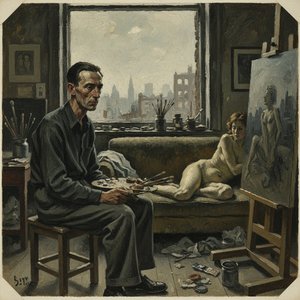
Lucian Freud: A Psychological Portraiture of Post-War Existence
Explore the profound psychological depth of Lucian Freud's portraits. Discover his unique realism, artistic evolution, and lasting influence on modern art. A collector’s guide to a master.

Oil on Canvas: A Historical & Technical Exploration of a Timeless Artistic Medium
Explore the rich history & enduring techniques of oil painting on canvas. Discover the science behind its longevity, conservation practices, and contemporary relevance. Expert insights for art enthusiasts.

The Enduring Legacy of Oil on Canvas: Technique, History & Aesthetic Impact
Explore the rich history & techniques of oil painting – from Renaissance masters to Impressionism. Discover pigments, layering methods, and why this timeless medium endures. Expert insights for artists & art enthusiasts.
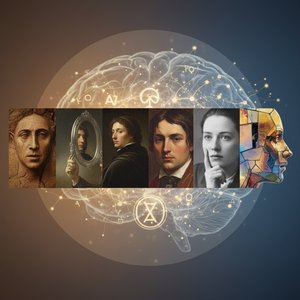
Reflecting the Self: A History of Portraiture & Psychological Insight
Explore the fascinating history of self-portraiture from Renaissance masters like Dürer & Rembrandt to modern interpretations. Discover the psychological insights and artistic techniques behind these iconic works. Expert analysis for art enthusiasts.

The Echo of Self: Reflectivity as a Core Theme in Art History & Contemporary Practice
Explore the rich history of self-representation in art, from Renaissance masters to modern innovators. Discover how artists use portraiture to reveal identity, emotion & the depths of the human psyche. Expert insights for collectors.

