

 Náhled v interiéru
 Sdílet
 Sdílet
 Podrobnosti o díle
 Průvodce

 Stáhnout
 Podobné položky
 Rentgenové snímky
 Slideshow
 Statistiky
Card Players
 Oil On Panel
- Renaissance Humanism
 1525
1525 40.0 x 50.0 cm
 Museo Nacional Thyssen-Bornemisza
 Zobrazit více
Ručně malovaná olejová reprodukce
Rukou malované olejné plátno v libovolném rozměru i s rámem, vyrobené našimi umělci na zakázku. ( Přepnout na tisk Přepnout na digitální obraz)




P118B Kč10

P118H Kč10

P118W Kč10

P438Z Kč10

P508JH Kč12

P508YH Kč12

P805H Kč10

P805Z Kč10

P919BZ Kč10

P919G Kč10

P919XJ Kč10

P959ZH Kč10

P968JZ Kč12

W106C Kč8

W218G Kč10

W218JH Kč8

W218Y Kč10

W307PJ Kč10

W316G Kč10

W316PJ Kč8

W316Y Kč10

W398PJ Kč8

W4111J Kč10

W500HY Kč15

W500JH Kč15

W692G Kč12

W849H Kč8

W940BG Kč15

W953PJ Kč8




Vyberte si z našich přednastavených velikostí, které odpovídají původním proporcím díla.

Zadejte šířku a výšku, které potřebujete pro váš rám nebo stěnu. Protože se jedná o ruční malbu, při výběru jiného formátu může umělec kolem obrazu domalovat o něco více, nebo jej mírně oříznout — rozhodnete si vy. Před zahájením malby vám zašleme digitální náhled ke schválení. Obraz zobrazený na této stránce neodpovídá skutečnému výsledku — pouze digitální náhled jej zobrazuje.
Po přijetí objednávky vám tým OriginalUniqueArt.com zašle e-mail s pokyny a poskytne náhledovou verzi.
Celosvětová doprava () za 3–4 týdny namísto standardních 5 týdnů. (25 říjen). Bez kompromisů v kvalitě.

Zdarma celosvětová expresní doprava

Vysoce kvalitní lněné plátno

Kompletní pojištění přepravy

Záruka vrácení celního poplatku

Záruka věrného barevného souladu

100dení lhůta pro vrácení zboží (pouze při vadách výroby)

100% záruka vrácení peněz

Sleva při více objednávkách
 Skleněná varianta je dostupná pouze u rozměrů menších než 110 cm

Card Players
Technika reprodukce
Rozměry reprodukce
-


Celková cena za vybrané možnosti reprodukcí
Kč 6415
The Quiet Intensity of “Card Players” by Lucas van Leyden
Lucas van Leyden’s “Card Players,” painted in 1525, is more than just a depiction of a game; it's a meticulously crafted snapshot of a burgeoning social world. Often referred to as the "Genesis of a Game," this oil-on-panel work offers a rare glimpse into the lives and leisure activities of the early 16th century Netherlands – a period marked by both artistic innovation and profound societal shifts. Van Leyden, a master painter and engraver deeply influenced by both Italian Renaissance ideals and his native Flemish traditions, has created an image that resonates with quiet intensity and unspoken narratives, inviting viewers to contemplate the complexities of human interaction.
The painting’s origins are rooted in the evolving social landscape of Europe. As urban centers flourished, new forms of social engagement emerged, and card games – previously largely confined to aristocratic circles – began to gain popularity among merchants, artisans, and a rising middle class. Van Leyden brilliantly captures this transformation by presenting not a grand tournament or formal competition, but a private gathering—a moment of shared camaraderie amidst the everyday realities of life. The composition itself is carefully orchestrated; the three figures are arranged in a dynamic triangular formation, drawing the eye to each individual while simultaneously suggesting an interplay between them – a silent conversation unfolding beneath the surface.
A Study in Detail: Technique and Composition
Van Leyden’s technical mastery is immediately evident. Every detail, from the folds of the clothing to the glint of light on the cards, is rendered with painstaking precision. The artist employs a masterful use of chiaroscuro – the dramatic contrast between light and shadow – to sculpt the figures, creating a sense of depth and volume that draws the viewer into the scene. Notice how the dark background serves to isolate the players, intensifying their presence and emphasizing their engagement with the game. The meticulous rendering of textures—the rough weave of the robes, the smooth surface of the cards—adds a remarkable level of realism, while the subtle variations in color contribute to the overall sense of atmosphere.
Furthermore, Van Leyden’s compositional choices are deliberate and sophisticated. The triangular arrangement of figures creates visual stability and directs the viewer's eye across the canvas. The placement of the women, particularly the central figure with her elaborate headdress, subtly asserts a position of authority within the group—a reflection of the changing roles of women in society during this period. The use of perspective, though not entirely linear, contributes to the illusion of depth and space, further immersing the viewer in the scene.
Symbolism and Context: A Window into Renaissance Life
Beyond its technical brilliance, “Card Players” is rich in symbolic meaning. The game itself represents more than just a pastime; it symbolizes social status, wealth, and intellectual engagement. The piles of gold coins scattered on the table are a clear indication of prosperity and success—a key aspiration for many merchants and artisans during this era. The cards themselves can be interpreted as metaphors for chance, fortune, and the unpredictable nature of life. The quiet expressions on the faces of the players suggest a blend of concentration, anticipation, and perhaps even a touch of rivalry.
Moreover, the painting reflects the humanist ideals that were gaining prominence during the Renaissance. Van Leyden’s focus on human interaction and everyday life—rather than grand historical events or religious narratives—aligns with this broader cultural shift. The scene is not idealized; it's grounded in reality, offering a nuanced portrayal of social dynamics and the complexities of human relationships. The painting serves as a testament to the Renaissance fascination with observing and representing the world around us.
Emotional Resonance: A Moment Frozen in Time
“Card Players” possesses a remarkable emotional resonance that transcends its historical context. Despite the lack of overt drama, the painting evokes a sense of quiet intensity—a feeling of being privy to a private moment of connection and shared experience. The subtle expressions on the faces of the players invite viewers to speculate about their thoughts and feelings, creating a powerful sense of empathy. The scene is both familiar and enigmatic, capturing the timeless appeal of human interaction and the enduring fascination with games of chance.
Whether viewed as a historical document, an artistic masterpiece, or simply a captivating image, “Card Players” continues to resonate with audiences today—a testament to Lucas van Leyden’s skill as a painter and his profound understanding of the human condition.
Otázky a odpovědi
Jakou technickou quite byla dílo "Card Players" vytvořeno a jaká je jeho velikost?
Technikou díla „Card Players“ od Lucas Van Leyden je Oil On Panel a jeho rozměry jsou 40 x 50 cm.
Jaké jsou rozměry originálu díla „Card Players“ od Lucas Van Leyden?
Rozměry originálního díla „Card Players“ od Lucas Van Leyden jsou 40 x 50 cm.
Je Lucas Van Leyden, tvůrce díla „Card Players“, známý pod dalšími jmény?
Mezi další jména, pod kterými je znám(a) Lucas Van Leyden, tvůrce díla „Card Players“, patří i Lukáš Van Leyden, Lucas Hugensz Van Leyden.
Biografie umělce
Raný život a umělecké základy Lucase van Leydena
Lucas van Leyden, nizozemský malíř a grafik narozený v roce 1494 v Leidenu, byl synem Huygha Jacobsz, rovněž malíře. Jeho umělecká cesta začala pod otcovým vedením, kde získal první základy řemesla. Brzy poté vstoupil do dílny Cornelise Engelbrechtsze v roce 1508 a zde dále piloval své schopnosti. Tato etapa formovala jeho precizní techniku a smysl pro detail, které se staly charakteristickými rysy jeho tvorby. Lucas van Leyden nebyl jen talentovaným malířem; byl to vizionářský grafik, který posunul hranice dobové grafické tvorby.Umělecký vývoj a průkopnická role
Van Leyden se brzy zařadil mezi první nizozemské představitele žánrové malby. Jeho raná díla, charakteristická polopostavami (kolem let 1506-1512), již prozrazovala jeho neobyčejnou originalitu a schopnost zachytit lidskou psychologii. S postupem času se rozvíjely i jeho krajiny, které se stávaly stále propracovanějšími a atmosférickými. Zvláštní mistrovství dosáhl v grafice, kde se projevil jeho talent již v mladém věku. Jeho nejstarší známá grafika, Mohammed a zavražděný mnich (1508), je důkazem jeho výjimečných schopností v tomto médiu. Van Leyden nebyl pouhým kopírovatelem existujících stylů; byl inovátorem, který se nebál experimentovat s novými technikami a náměty. Jeho práce odrážela rostoucí zájem o realismus a každodenní život, což bylo v té době poměrně neobvyklé.Významná díla a osobitý styl
Z dochovaných děl Lucase van Leydena je jistě autentických sedmnáct obrazů. Patří mezi ně mistrovské Uzravení slepce u Jericha, které vyniká množstvím postav zasazených do rozlehlé, zalesněné krajiny. Dále neméně pozoruhodný je Svatý Pavel, který demonstruje jeho grafickou virtuozitu a schopnost vyjádřit hlubokou spiritualitu. Významnou pozici v jeho tvorbě zaujímá i grafika Dojka (rytec, 1510), která dokládá jeho rané mistrovství v tomto uměleckém oboru. Jeho styl se vyznačuje svěžími barvami a jemným použitím perspektivy, které si cenil i Albrecht Dürer. Van Leydenova práce byla plná detailů, ale zároveň působila přirozeně a živě. Dokázal zachytit atmosféru a emoce s neobyčejnou přesností.Odkaz Lucase van Leydena a jeho vliv
Lucas van Leyden zanechal nesmazatelnou stopu v nizozemské žánrové malbě a grafice. Jeho inovativní styl a technická dokonalost z něj učinily oslavovanou postavu uměleckého světa. Jako průkopník nizozemského umění inspiroval generace dalších tvůrců. Jeho díla jsou dodnes obdivována pro svou originalitu, jemnost a hluboký lidský rozměr. Van Leydenova práce ovlivnila německou renesanci a přispěla k rozvoji realistického zobrazování v umění.Muzejní sbírky a současná dostupnost
Díla Lucase van Leydena lze nalézt v mnoha muzeích po celém světě, včetně Van Gogh Museumu (Nizozemsko), které vlastní rozsáhlou kolekci jeho grafik a obrazů. Online platformy jako OriginalUniqueArt.com nabízejí komplexní výběr jeho děl, což umožňuje uměleckým nadšencům prozkoumat jeho tvorbu do nejmenších detailů.- Prohlédněte si díla Lucase van Leydena na OriginalUniqueArt.com
- Prozkoumejte online sbírku Van Gogh Museumu (Nizozemsko)
- Objevte více o nizozemském umění a jeho průkopnících na blogu OriginalUniqueArt.com

Lucas Van Leyden
1494 - 1533 , Nizozemsko
Rychlé informace o umělci
- Datum Narození: Leiden, Nizozemsko (1494)
- Datum Úmrtí: 1533
- Místo Narození: Leiden, Nizozemsko
- Národnost: Nizozemec
- Ovlivnil Umělce: ['Německá renesance']
- Ovlivněno Umělci: ['Albrecht Dürer']
- Plné Jméno: Lucas Hugensz van Leyden
- Umělecký Směr: Raná nizozemská renesance
- Významná Díla:
- Uzravení slepce z Jericha
- Svatý Pavel
- Dojka
Související články

Jan van Goyen: Master of Dutch Landscape & Atmospheric Perspective
Discover Jan van Goyen, the master of Dutch landscape painting. Explore his subtle technique, atmospheric realism & lasting influence on art history. Learn about this 17th-century pioneer at OriginalUniqueArt.

Golden Light & Dutch Skies: The Timeless Magic of Dutch Golden Age Landscapes
Discover the breathtaking beauty of Dutch Golden Age landscapes. Explore the mastery of light, chiaroscuro, and 17th-century realism through an expert art history lens, celebrating the enduring legacy of the Dutch Masters for discerning collectors and art lovers.

Rembrandt van Rijn: Top 25 mistrovských děl pro váš interiér | OriginalUniqueArt.cz
Prozkoumejte 25 nejlepších děl Rembrandta van Rijna – od portrétů po biblické scény. Objevte příběhy, techniky a inspiraci nizozemského baroka. Reprodukce obrazů pro váš interiér na OriginalUniqueArt.cz.

Lucas van Leyden: Innovation & Intimacy in Early Netherlandish Printmaking
Explore the groundbreaking prints of Lucas van Leyden, a Dutch master bridging Gothic detail & Renaissance innovation. Discover his rare works, investment potential, and legacy for discerning collectors.
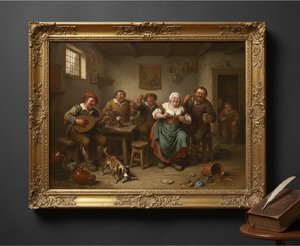
Adriaen van Ostade: A Master of Dutch Genre Painting & Social Commentary
Explore the life & work of Adriaen van Ostade, a leading Dutch Golden Age painter. Discover his realistic genre scenes, social commentary, and lasting influence on art history. Learn more at OriginalUniqueArt.
