
 Náhled v interiéru
 Sdílet
 Sdílet
 Podrobnosti o díle
 Průvodce

 Stáhnout
 Podobné položky
 Rentgenové snímky
 Slideshow
 Otázky a odpovědi
 Statistiky
The Judgment of Paris

- 35.0 x 24.0 cm


 Zobrazit více
Giclée / Umělecký tisk
Giclée nebo plátěný tisk muzeální kvality s rychlou výrobou a širokou nabídkou povrchových úprav. ( Koupit ručně malovaný obraz Přepnout na digitální obraz)




P118B Kč10

P118H Kč10

P118W Kč10

P438Z Kč10

P508JH Kč12

P508YH Kč12

P805H Kč10

P805Z Kč10

P919BZ Kč10

P919G Kč10

P919XJ Kč10

P959ZH Kč10

P968JZ Kč12

W106C Kč8

W218G Kč10

W218JH Kč8

W218Y Kč10

W307PJ Kč10

W316G Kč10

W316PJ Kč8

W316Y Kč10

W398PJ Kč8

W4111J Kč10

W500HY Kč15

W500JH Kč15

W692G Kč12

W849H Kč8

W940BG Kč15

W953PJ Kč8




Vyberte si z našich přednastavených velikostí, které odpovídají původním proporcím díla.

Zadejte šířku a výšku, které potřebujete pro váš rám nebo stěnu. Tisk lze pouze oříznout, nikdy však nelze zvětšit obraz nad jeho původní rozměr, proto při výběru jiného formátu dochází ke ztrátě části obrazu. Před samotným tiskem vám zašleme digitální náhled k schválení. Obraz zobrazený na této stránce nenabízí skutečný výřez — ten uvidíte pouze v náhledu.
Celosvětové doručení () do 2 týdnů namísto standardních 4/5 týdnů. (3 listopad)

Zdarma celosvětová expresní doprava

Vysoce kvalitní lněné plátno

Kompletní pojištění přepravy

Záruka vrácení celního poplatku

Záruka věrného barevného souladu

100dení lhůta pro vrácení zboží (pouze při vadách výroby)

100% záruka vrácení peněz

Sleva při více objednávkách
 Skleněná varianta je dostupná pouze u rozměrů menších než 110 cm

The Judgment of Paris
Giclée / Umělecký tisk
Rozměry reprodukce
-


Celková cena za vybrané možnosti reprodukcí
Kč 1766
A Moment of Divine Contest: Lucas Cranach’s “The Judgment of Paris”
Lucas Cranach the Elder's "The Judgment of Paris," painted around 1530, isn’t merely a depiction of a classical myth; it’s a vibrant tableau brimming with psychological tension and Renaissance artistry. Housed within the Metropolitan Museum of Art in New York, this oil on panel offers a rare glimpse into the mind of a master navigating the complexities of religious reform and courtly patronage. Cranach, born in Kronach, Germany, skillfully blends Northern European realism with the idealized beauty favored by his patrons, creating an image that resonates far beyond its mythological subject matter.
The scene unfolds with arresting immediacy: Paris, a young prince radiating both arrogance and vulnerability, sits poised on the ground, the fate of Olympus resting upon his decision. Around him gather a cluster of elegantly nude women – not simply passive figures, but active participants in this pivotal moment. Their postures are subtly varied, reflecting their individual reactions to the goddesses vying for Paris’s favor: Juno, goddess of marriage and strategic alliances; Minerva, patron of wisdom and warfare; and Venus, the embodiment of love and beauty. Cranach's meticulous attention to detail is evident in the rendering of each woman’s form – the delicate curve of a shoulder, the subtle play of light on skin, all executed with a precision that speaks volumes about his technical mastery.
The Dance of Symbols: Interpreting Cranach’s Composition
Beyond the immediate narrative, “The Judgment of Paris” is rich in symbolic language. The two magnificent horses flanking the scene are particularly noteworthy. One, positioned to the left, embodies strength and martial prowess – a clear reference to Minerva. Its powerful musculature and alert stance suggest the potential for conflict and conquest. Conversely, the horse on the right, more graceful and subtly adorned, represents Venus’s influence: beauty, allure, and the promise of pleasure. The arrangement isn't arbitrary; it establishes a visual dialogue between these competing forces, mirroring the complex dynamics at play in Paris’s choice.
The background, dominated by a simple tree, serves as a grounding element, anchoring the scene within the natural world – a deliberate contrast to the idealized figures and divine drama unfolding before us. The bowls and cups held by some of the women aren't just props; they symbolize offerings, gestures of respect, and perhaps even veiled attempts to sway Paris’s judgment. Even the positioning of the figures contributes to the overall composition, creating a dynamic flow that draws the viewer’s eye across the panel.
A Renaissance Master at Work: Technique and Context
Cranach's style in "The Judgment of Paris" is firmly rooted in the Northern Renaissance tradition. He employs a masterful use of color – rich, saturated hues that imbue the scene with warmth and vitality. The figures are rendered with remarkable realism, yet they retain an idealized quality characteristic of Renaissance portraiture. Cranach’s skill lies not just in his technical proficiency but also in his ability to infuse his paintings with psychological depth. He captures the subtle nuances of emotion – Paris's uncertainty, the women’s anticipation – creating a scene that feels remarkably alive.
Painted during a period of profound social and religious change, “The Judgment of Paris” reflects the anxieties and aspirations of its time. Cranach served as an artist to Frederick III, Elector of Saxony, a position that afforded him access to powerful circles but also exposed him to the growing currents of Protestantism. His work often navigated the delicate balance between Catholic orthodoxy and emerging humanist ideals. This painting stands as a testament to his versatility and his ability to synthesize these diverse influences into a cohesive and compelling artistic vision.
Bringing Cranach’s Masterpiece Home: Reproductions for Every Space
OriginalUniqueArt offers meticulously crafted, hand-painted reproductions of Lucas Cranach the Elder's “The Judgment of Paris,” allowing you to experience the artistry and emotional power of this iconic work in your own home. Our reproductions faithfully capture the original’s vibrant colors, intricate details, and psychological depth, ensuring that you possess a stunning piece of art history. Whether adorning a formal salon or adding a touch of Renaissance drama to a contemporary space, a OriginalUniqueArt reproduction of “The Judgment of Paris” is a timeless investment – a celebration of artistic skill and enduring beauty.
Otázky a odpovědi
V jaké technice a jaké velikosti je originál díla „The Judgment of Paris“ od Lucas Cranach starší?
Dílo „The Judgment of Paris“ je vytvořeno v technice Oil On Panel a v původní podobě má rozměry 35 x 24 cm.
Kdo je autorem díla "The Judgment of Paris"?
Dílo "The Judgment of Paris" se připisuje autorovi Lucas Cranach starší.
Pod jakými dalšími jmény je Lucas Cranach starší známý/á?
Mezi další jména, pod kterými je znám(a) Lucas Cranach starší, tvůrce díla „The Judgment of Paris“, patří i Lucas Maler, Lucas Müller, Lucas Cranach der Ältere, Lucas Cranach der Jüngere.
Biografie umělce
A Renaissance Master of Saxony: The Life and Art of Lucas Cranach the Elder
Lucas Cranach the Elder, narozený v Kronáchi u Bamberku kolem roku 1472, stojí jako klíčová postava německého renesansu. Jeho život se odehrával za období hlubokých náboženských a politických změn, a jeho umění bylo neodmyslitelně spjato jak s rozvíjejícím se protestantským reformací, tak s bohatými dvory, které obsluhoval. Jeho raná umělecká tvorba je v jisté míře zahalena do tajemství, přesto jsou patrné vlivy jižních německých mistrů ve vyvíjejícím se stylu. Rychle se odlišil nejen jako zručný řemeslník, ale i jako umělec schopný zachytit psychologickou hloubku vedle technické preciznosti – kvality, které brzy upoutaly pozornost mocných mecenášů. V roce 1504 vstoupil do služby Fridricha III., voliče Saska, vztah, který definoval velkou část jeho kariéry a poskytl mu stabilitu i přístup k vlivným kruhům. Jeho jmenování dvorním malířem ve Wittněmberku nebyla jen o produkci dekorativních děl; umístil ho do samotného srdce jedné z nejtransformačnějších pohybů evropské historie.Patronáž, Reformace a Umělecká Inovace
Cranachovo postavení v saském dvorním kruhu nebylo jen o živobytí, ale také o uměleckém rozvoji. Nebyl to pouze dokumentování událostí; aktivně formoval vizuální narativy za doby hlubokých změn. Jeho nejtrvalejší dědictví je pravděpodobně jeho blízká asociace s Martinem Lutherem, centrální postavou protestantské reformace. Cranach vytvořil ne méně než dvanáct portrétů Lutera, každý z nich nabízí jedinečný pohled na osobnost a vyvíjející se roli reformátora. Tyto obrazy nebyla jen podobnosti; byly pečlivě konstruované obrazy navržené k projevení autority, zbožnosti a intelektuální síly – klíčových kvalit pro vůdce, který zpochybňuje ustálený náboženský řád. Kromě portrétů Cranach vizuálně interpretoval reformátní teologii, vytvářel dřevořezy a malby, které široce šířily protestantské myšlenky. Jeho obrazy biblických scén se odkláněly od tradiční katolické ikonografie, zdůrazňovaly přímý kontakt se slovem Božím a podporovaly osobní vztah mezi divákem a vírou. Annunciation to Joachim (Zjevení svatého Josefa) například vyzařuje radostný duch, odráží tak nové důraz na individuální zbožnost v reformované církvi. Tato inovativní přístup se rozšiřoval i mimo náboženské témata; Cranachovy mytologické malby, jako obrazy Venuše a dalších klasických postav, často nesly alegorické významy relevantní pro současné politické a sociální problémy.Workshop Dynastie: Styl a Technika
Lucas Cranach the Elder nebyl izolovaným umělcem pracujícím v tichosti. Vedl pozoruhodně produktivní dílnu, zaměstnával mnoho asistentů a žáků, kteří významně přispěli k jeho tvorbě. Tento kooperativní přístup znamenal, že mnohé díla připisované Cranachovi byla ve skutečnosti vytvořena pod jeho vedením nebo členy jeho kruhu – včetně jeho syna, Lucase Cranacha the Younger. Cranachova dílna se stala známá svým charakteristickým stylem: elegantní postavy s prodlouženými proporcemi, bohaté barvy a precizní pozornost k detailu. Jeho technika zahrnovala kombinaci olejové malby, dřevořezu a gravírování, což mu umožnilo oslovit široké publikum jak originálními díly, tak cenově dostupnými rytinami. Stag Hunt of Elector Friedrich III the Wise (Lov srnců voliče Fridricha III.) ukazuje jeho mistrovství severoevropského stylu, zobrazuje detailní realismus vedle noblesních symbolů. Kompozice je dynamická, zachycuje energii lovu a zároveň vyjadřuje moc a status voliče. Cranachova práce s osvětlením a stínem vytváří pocit hloubky a atmosféry, vtahuje diváka do scény. Jeho portréty jsou stejně působivé, charakterizované psychologickým vhledem a rafinovanou provedeností.Důležité díla
Mezi Cranachovy nejvýznamnější díla patří: * Lov srnců voliče Fridricha III. (1506) * Portrét Martina Luthera (1520-1549) * Zjevení svatého Josefa (Annunciation to Joachim, 1508) * Venuše a silen (Venus and Silen, 1507) * Judita s Holofernem (Judith with Holofernes, 1509)Historický význam
Lucas Cranach the Elder zemřel v roce 1553 a zanechal za sebou ohromné umělecké dědictví, které rezonuje dodnes. Byl mistrem portrétů, dovedným interpretem náboženských témat a bystrým obchodníkem, který rozuměl síle vizuální komunikace. Jeho dílo ne jen odráží kulturní a intelektuální proudy jeho doby, ale také je formovalo. Cranachova dílna pokračovala v rozkvětu i po jeho smrti, zajišťující, že jeho styl a techniky byly přenášeny generacemi. Jeho vliv lze nalézt ve dílech mnoha pozdějších umělců a jeho obrazy jsou stále vyhledávané sběrateli a muzei po celém světě. Od ikonických portrétů Martina Luthera po okouzlujece mytologické scény nabízí Cranachovo umění fascinující pohled na svět německého renesansu – svět, který byl poznamenán hlubokým duchovním zkoumáním a uměleckou inovací. Jeho schopnost spojit náboženské vášně, politickou chytrost a umělecký talent upevnil jeho místo mezi nejvýznamnějšími umělci své doby a jeho příspěvky inspirují a okouzlují publikum i po staletí.
Lucas Cranach starší
1472 - 1553 , Německo
Rychlé informace o umělci
- Artistic Movement Or Style: Německá renesance
- Artists Or Movements Influenced By This Artist: ['Renesanční malířství']
- Artists Who Influenced This Artist: ['Hans Maler']
- Date Of Birth: 1472
- Date Of Death: 1553
- Full Name: Lucas Cranach starší
- Nationality: Německý
- Notable Artworks:
- Lov na srnčí
- Sebeportrét
- Zjevení sv. Janu Křtučníku
- Place Of Birth: Kronach, Německo
Související články
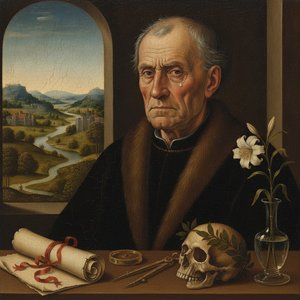
The Northern Renaissance: A Masterclass in Hyper-Realism, Oil Innovation, and Symbolic Depth
Explore the profound mastery of Northern Renaissance art. Discover the technical brilliance of Flemish oil painting, the intricate symbolism of Bosch and Bruegel, and the revolutionary realism that redefined European art history through an expert historical lens.

The Enduring Power of Painting: A Historical & Contemporary Exploration of Form and Emotion
Explore the rich history & enduring techniques of oil painting with OriginalUniqueArt. Discover masterpieces, learn about art collecting, and find authentic handmade reproductions crafted by skilled artists.

Trvalý odkaz olejomalby: Technika, historie a současná praxe
Prozkoumejte historii a techniky olejomalby s námi! Od středověku po současnost – detailní průvodce pro milovníky umění a profesionály. Objevte tajemství mistrů a inspirujte se.

The Enduring Legacy of Oil on Canvas: Technique, History & Aesthetic Impact
Explore the rich history & techniques of oil painting – from Renaissance masters to Impressionism. Discover pigments, layering methods, and why this timeless medium endures. Expert insights for artists & art enthusiasts.

Oil on Canvas: A Historical & Technical Exploration of a Timeless Artistic Medium
Explore the rich history & enduring techniques of oil painting on canvas. Discover the science behind its longevity, conservation practices, and contemporary relevance. Expert insights for art enthusiasts.


