Expressionism · 1909
Homeric Laughter, First Version (Lovis Corinth, 1909)
Lovis Corinth (1858–1925) vytvořil dílo Homeric Laughter, First Version. Pochází z roku 1909. Patří k hnutí Expressionism. Je vyrobeno z Oil On Canvas. Nachází se v Bayerische Staatsgemäldesammlungen v Mnichov, Německo. Rozměry jsou 98 × 120 cm.
- 1909
- Oil On Canvas
- 98 × 120 cm
- Bayerische Staatsgemäldesammlungen, Mnichov

 Náhled v interiéru

 Ručně malovaná olejná reprodukce
 Sdílet
 Sdílet
 Informační list


 Stáhnout
 Podobné položky
 Rentgenové snímky
 Slideshow
 Otázky a odpovědi

 Statistiky
Homeric Laughter, First Version v kostce
- Název díla
- Homeric Laughter, First Version
- Autor
- Lovis Corinth (1858–1925)
- Rok narození umělce
- Gvardějsk, Rusko
- Datum vytvoření
- 1909
- Technika
- Oil On Canvas
- Rozměry
- 98 × 120 cm
- Kde jej vidět
- Bayerische Staatsgemäldesammlungen, Mnichov, Německo
- Pohyb
- Expressionism
- Období
- 19th Century
- Motiv
- nude figure, social gathering, conversation, greek mythology, laughter, domestic scene
Co przedstawuje dílo Homeric Laughter, First Version?
A Moment of Shared Revelry: Unpacking “Homeric Laughter”
Lovis Corinth’s “Homeric Laughter,” painted in 1909, isn't merely a depiction of a gathering; it’s an invitation into a vibrant tableau of human connection and the intoxicating pleasure of shared experience. The painting immediately draws the eye with its scale – a generous 98 x 120 cm canvas – allowing for a complete immersion in the scene. Corinth masterfully captures a group of individuals, numbering at least thirteen, engaged in what appears to be an animated conversation or perhaps a lighthearted celebration. The central figure, a woman reclining on a bed, is undeniably the focal point, her exposed form not presented with overt sexuality but rather as a symbol of vulnerability and openness within this intimate setting. The surrounding figures – men and women alike, some standing, others seated or kneeling – contribute to a sense of communal warmth and relaxed conviviality.

The Expressionist Palette and Corinth’s Unique Style
Painted during a pivotal period in Corinth's artistic evolution, “Homeric Laughter” exemplifies his distinctive style – a potent blend of Impressionism and burgeoning Expressionism. He abandons the meticulous detail favored by earlier academic training, opting instead for bold brushstrokes, vibrant colors, and a deliberately loose application of paint. Notice how he uses color not to represent reality but to evoke feeling; the reds and oranges dominate, radiating warmth and suggesting an atmosphere of joyous abandon. Corinth’s technique is characterized by a dynamic layering of pigments, creating a sense of movement and immediacy. The figures aren't sharply defined; they are rendered with a slightly blurred quality, contributing to the painting’s overall dreamlike atmosphere. This approach was influenced by his travels through Paris and Antwerp, where he encountered artists like Rubens and Impressionists who challenged traditional artistic conventions.
Echoes of Homer and the Celebration of Human Connection
The title itself, “Homeric Laughter,” immediately connects the painting to the works of ancient Greek poet Homer. Homer’s epics are filled with scenes of feasting, drinking, and boisterous gatherings – celebrations of life, friendship, and human connection. Corinth's painting captures this spirit, suggesting a modern-day reimagining of these timeless themes. The objects scattered around the group—a bowl and a cup—further reinforce the idea of shared indulgence and communal enjoyment. The woman on the bed isn’t simply exposed; she embodies a state of relaxed vulnerability, inviting the viewer to contemplate the dynamics of intimacy and social interaction within this circle.
A Window into Corinth's Life and Artistic Journey
Lovis Corinth’s life was marked by both artistic triumph and personal hardship. Following a debilitating stroke in 1911, he adapted his technique, favoring his right hand and exploring themes of domesticity and family. “Homeric Laughter” can be viewed as a reflection of this evolving perspective – a celebration of the simple pleasures of life and the importance of human relationships. Corinth’s work is deeply personal, imbued with emotion and a profound understanding of the human condition. Reproductions of “Homeric Laughter” offer a captivating glimpse into his world, inviting viewers to share in his vision of joy, connection, and the enduring power of art.
Ve kterém muzeu se nachází Homeric Laughter, First Version?
Bayerische Staatsgemäldesammlungen
Mnichov, Německo
Historie Bayerische Staatsgemäldesammlungen Kořeny Bayerische Staatsgemäldesammlungen sahají až do roku 1799, kdy byla založena instituce Centralgemäldegaleriedirektion. Tato instituce, sídlící v Mnichově v Německu, vznikla původně jako pečlivě kurátorovaný prostor určený pro královské sbírky. Tento raný účel odráží dobu, kdy byla umění držena v soukromých sférách šlechty, než se transformovala v bohatý veřejný zdroj, který známe dnes.


Vysokorozlišené fotografie díla Homeric Laughter, First Version

Lovis Corinth, Homeric Laughter, First Version (1909), Bayerische Staatsgemäldesammlungen. Veřejná doména
Odpovědi na otázky k dílu Homeric Laughter, First Version
Kde je dnes možné vidět dílo „Homeric Laughter, First Version“ od Lovis Corinth?
Originál díla „Homeric Laughter, First Version“ od Lovis Corinth je uložen v instituci Bayerische Staatsgemäldesammlungen, Mnichov, Německo. Reprodukce však umožňuje toto dílo vystavit i ve vašem domově.
V jakém roce bylo vytvořeno dílo „Homeric Laughter, First Version“ od Lovis Corinth?
Dílo „Homeric Laughter, First Version“ od Lovis Corinth vzniklo v roce 1909.
Jakou technikou je vytvořeno dílo "Homeric Laughter, First Version"?
Technikou díla „Homeric Laughter, First Version“ od Lovis Corinth je Oil On Canvas. Reprodukce mají za cíl věrně zachytit vzhled této techniky.
Jaké jsou rozměry originálu díla „Homeric Laughter, First Version“ od Lovis Corinth?
Rozměry originálního díla „Homeric Laughter, First Version“ od Lovis Corinth jsou 98 x 120 cm.
Co zachycuje dílo „Homeric Laughter, First Version“ od Lovis Corinth?
„Homeric Laughter, First Version“ od Lovis Corinth zobrazuje: nude figure, social gathering, conversation, greek mythology, laughter, domestic scene, 19th century.
Patří „Homeric Laughter, First Version“ od Lovis Corinth do volného tisku?
Co se týče autorských práv, dílo "Homeric Laughter, First Version" spadá do v rámci volného užití – autorská práva vypršela.
K kterému umělci je dílo "Homeric Laughter, First Version" připisováno?
Autorem díla „Homeric Laughter, First Version“ je Lovis Corinth. Práce je v katalogu uvedena pod jménem Lovis Corinth.
K kterému uměleckému směru patří „Homeric Laughter, First Version“ od Lovis Corinth?
Umělecký směr, ke kterému patří dílo „Homeric Laughter, First Version“ od Lovis Corinth, je Expressionism. Tato klasifikace toto dílo umísťuje mezi související umělce a další umělecká díla.
Do které období tvorby Lovis Corinth patří dílo „Homeric Laughter, First Version“?
Dílo „Homeric Laughter, First Version“ pochází z období Mature Period v tvorbě umělce Lovis Corinth. Tato klasifikace dílo zasazuje do kontextu vývoje jeho tvůrčí dráhy.
O umělci, Lovis Corinth

1858–1925, Rusko
Lovis Corinth
A Life Forged in Paint: The World of Lovis Corinth Lovis Corinth, rozený jako Franz Heinrich Louis na 21. července 1858 v provincii Předprusko, byl umělec, který ztělesňoval turbulentní přechod od 19. do počátku 20. století ve světě umění.
Také od autora Lovis Corinth
 Ve strojovně1893
 Wilhelmine s koulem1915
 Portrait of the Painter Paul Eugène Gorge1908
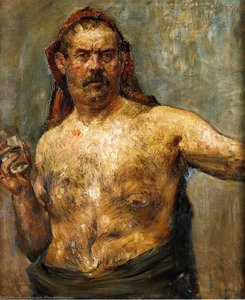 Self Portrait with a Glass1907

Eseje k tématu Homeric Laughter, First Version
 19. století v umění: Top 10 děl a jejich příběhy | OriginalUniqueArtProzkoumejte 10 ikonických děl 19. století – od romantismu po impresionismus! Obrazy Courbeta, Moneta a dalších mistrů s příběhy a technika…
 Romantic Realism's Finest: 10 Masterpieces for Your Home | OriginalUniqueArtExplore 10 defining masterpieces of Romantic Realism! Discover Courbet, Millet & Daumier's powerful paintings—capturing emotion and social …
 Lovis Corinth: Bridging Impressionism & Expressionism – A Study of Artistic EvolutionExplore the fascinating artistic journey of Lovis Corinth, a pivotal figure bridging Impressionism & Expressionism. Discover his evolution,…