

 Zobrazit v interiéru
 Odeslat
 Sdílet
 Podrobnosti
 Průvodce

 Stáhnout obrázek
 Podobné kousky
 Rentgenové snímky
 Slideshow
 Statistiky
Útěk do Egypta


 Přečíst si více
Giclée / Umělecký tisk
Giclée nebo plátěný tisk muzeální kvality s rychlou výrobou a širokou nabídkou povrchových úprav. ( Objednat ručně malovanou reprodukci Přepnout na digitální verzi obrazu)




P118B Kč10

P118H Kč10

P118W Kč10

P438Z Kč10

P508JH Kč12

P508YH Kč12

P805H Kč10

P805Z Kč10

P919BZ Kč10

P919G Kč10

P919XJ Kč10

P959ZH Kč10

P968JZ Kč12

W106C Kč8

W218G Kč10

W218JH Kč8

W218Y Kč10

W307PJ Kč10

W316G Kč10

W316PJ Kč8

W316Y Kč10

W398PJ Kč8

W4111J Kč10

W500HY Kč15

W500JH Kč15

W692G Kč12

W849H Kč8

W940BG Kč15

W953PJ Kč8




Vyberte si z našich přednastavených velikostí, které odpovídají původním proporcím díla.

Zadejte šířku a výšku, které potřebujete pro váš rám nebo stěnu. Tisk lze pouze oříznout, nikdy však nelze zvětšit obraz nad jeho původní rozměr, proto při výběru jiného formátu dochází ke ztrátě části obrazu. Před samotným tiskem vám zašleme digitální náhled k schválení. Obraz zobrazený na této stránce nenabízí skutečný výřez — ten uvidíte pouze v náhledu.
Celosvětové doručení () do 2 týdnů namísto standardních 4/5 týdnů. (21 říjen)

Zdarma celosvětová expresní doprava

Vysoce kvalitní lněné plátno

Úplné pojištění přepravy

Záruka vrácení celního poplatku

Záruka věrného barevného shodu

100dení lhůta pro vrácení zboží (pouze při vadách výroby)

100% garance vrácení peněz

Sleva při více objednávkách
 Skleněná varianta je dostupná pouze u rozměrů menších než 110 cm

Útěk do Egypta
Giclée / Umělecký tisk
Velikost reprodukce
-


Celková cena
Kč 1700
Lorenzo Monaco: A Florentine Monk's Vision – The Flight Into Egypt (Detail)
Lorenzo Monaco’s “The Flight into Egypt,” painted around 1405-1410, stands as a remarkable testament to the burgeoning Renaissance spirit nestled within the lingering vestiges of Gothic tradition. More than just a depiction of biblical narrative—the pilgrimage of Mary and Joseph seeking refuge in Egypt—it embodies a profound exploration of spiritual contemplation and masterful artistic execution that continues to captivate viewers centuries later. This exquisite panel fragment, housed in the Lindenau-Museum Altenburg, exemplifies Monaco’s signature style: serene beauty infused with meticulous detail and imbued with an inner luminescence characteristic of his monastic upbringing.A Gothic Echoes Renaissance Influence
Despite originating from the Trecento—the preceding generation—Monaco's work demonstrates a decisive shift toward the ideals championed by Fra Angelico and Masaccio, artists who ushered in a new era of naturalism and emotional depth. The painting’s dark forest setting isn’t merely atmospheric; it serves as a deliberate counterpoint to the radiant light emanating from the central figures—Mary and Jesus—creating a dramatic tension that underscores the pilgrimage's perilous journey and its ultimate triumph over darkness. This juxtaposition speaks volumes about Monaco’s artistic sensibility – he skillfully blends established Gothic conventions with emerging Renaissance principles, resulting in an unforgettable visual experience.Technical Brilliance: Tempera on Poplar Wood
The painting utilizes tempera paint on poplar wood—a technique favored by Florentine artists during this period—allowing for unparalleled luminosity and tonal subtlety. Monaco’s meticulous layering of pigments achieves a remarkable level of realism, capturing the textures of foliage, the drapery folds, and even the contours of Joseph's face with astonishing accuracy. The artist’s masterful control over color contributes significantly to the painting’s emotional impact; shades of green dominate the forest backdrop, symbolizing hope and renewal amidst adversity, while warmer hues illuminate Mary and Jesus, conveying tenderness and divine grace.Symbolism Within Narrative Clarity
Beyond its technical prowess, “The Flight Into Egypt” is rich in symbolic meaning. The donkey chosen by Mary and Joseph represents humility and steadfastness—qualities essential to the pilgrimage’s spiritual purpose. Furthermore, the positioning of the figures—Mary cradling Jesus centrally—emphasizes maternal devotion and divine protection. Monaco's careful composition reinforces these themes, guiding the viewer’s gaze toward the core narrative while simultaneously conveying a deeper meditation on faith and perseverance. The artist’s intention was not merely to recount a biblical story but to inspire contemplation and evoke feelings of reverence.A Legacy of Serene Beauty
Lorenzo Monaco's “The Flight Into Egypt” remains an enduring masterpiece—a symbol of Florentine artistic innovation during the Renaissance transition. Its serene beauty, combined with its masterful technique and profound symbolic resonance, continues to resonate with audiences today. Reproductions offer a chance to appreciate this iconic artwork’s timeless elegance and delve into the spiritual convictions that shaped one of Italy's most influential artists.Otázky a odpovědi
K čemu se doporučuje reprodukce díla „Útěk do Egypta“ od Lorenzo Monaco?
Reprodukce díla „Útěk do Egypta“ od Lorenzo Monaco je doporučována pro Akcentující prvek. Toto doporučení vychází z tématu, nálady a barevnosti tohoto díla.
K jaké fázi tvůrčího rozvoje Lorenzo Monaco patří dílo „Útěk do Egypta“?
Dílo „Útěk do Egypta“ patří do Mature Renaissance tvorby umělce Lorenzo Monaco. Tato klasifikace dílo relativizuje k vývoji jeho tvůrčí dráhy.
Jak lze vysvětlit situaci s autorskými právy u díla „Útěk do Egypta“ od Lorenzo Monaco?
Autorskoprávní status díla „Útěk do Egypta“ – patří do volného užití – autorská práva vypršela – vyplývá ze smrti umělce v roce 1425.
Biografie umělce
Vize florentského mnicha: Svět Lorenza Monaca
Lorenzo Monaco, narozený jako Piero di Giovanni kolem roku 1370 v Siene, zaujímá fascinující a klíčovou pozici v období přechodu od gotické elegance Trecenta k rostoucím ideálům renesančního Quattrocenta. Ačkoliv jsou biografické detaily vzácné, jeho umělecká cesta odhaluje poutavý příběh adaptace, inovace a hluboké spirituality. Jako učeň ve Florenci nasávl lekce mistrů jako Giotto, Spinello Aretino a Agnolo Gaddi – umělců, kteří položili základy narativní jasnosti a emocionální rezonance. Nicméně právě přijetí klášterního života v roce 1390, kdy se připojil k kambaldonskému řádu v Santa Maria degli Angeli, skutečně utvářelo jeho uměleckou identitu a vyneslo mu jméno, díky němuž je nejlépe znám: Lorenzo Monaco, neboli „Lorenzo mnich“. Toto odhodlání k kontemplativní existenci hluboce ovlivnilo charakter jeho díla a vdechlo mu introspektivní kvalitu a zaměření na devócionní témata.Propojení gotické elegance s renesančními zvěstaviteli
Monacova raná díla, vznikající v 90. letech 14. století, prokazují mistrovskou ovládnutí stylu mezinárodní gotiky, který byl tehdy rozšířen po celé Evropě. Tyto malby jsou charakteristické svou vyváženou elegancí, jemným linearismem a paletou, která byla v počátcích v rámci svého chromatického rozsahu spíše střídmá. Přesto i v tomto zavedeném rámci se již začínají objevovat náznaky jeho individuálního uměleckého hlasu. Nasával vlivy svých současníků, jako byli Lorenzo Ghiberti a Gherardo Starnina, a začal do svých děl začleňovat prvky jejich sofistikovaných kompozic a důraz na detail. V průběhu času se Monacův styl vyvinul a stal se stále více typickým pro protáhlé postavy oděné v sinuózních, splývavých šatech, preferenci ostrých hran a zářivých barev – zejména luxusních odstínů zlata a lapis lazuli – a jemné, téměř éterické kvalitě světla. Jeho gesta jsou často nenápadná, naznačují vnitřní emoci spíše než její otevřené zobrazení, a jeho prostorové uspořádání má tendenci být ploché, upřednostňující symbolický význam před přísným realismem. Neustále se snažil zobrazovat scény protkané silnou duchovní hodnotou a často se distancoval od snahy o čistě naturalistickou reprezentaci.Mistrovská díla víry a umělecké inovace
Šíře Monacovy umělecké tvorby je ohromující a zahrnuje tabulové malby, fresky i iluminované rukopisy. Pietà, uložená v florentské Galleria dell'Accademia, stojí jako svědectví jeho raného mistrovství a vykazuje nervozitu v liniích a hmatatelný pocit emocionálního napětí. Velkolepá Korunace Panny Marie, která nyní zdobí Galerii Uffizi, je příkladem jeho zralého stylu – živoucí tkaniny svatých vykreslených pomocí sinuózních forem a oslnivých barev. Polyptych z Monteoliveto, rovněž v Galleria dell'Accademia, odhaluje hlubokou spiritualitu, která předznamenává díla Fra Angelica. Možná jedním z jeho nejuznávanějším úspěchů je Adorace Mudrců (1420–1422), kde jeho inovativní použití zkratu, ač nedostatká přísné geometrické perspektivy, vytváří poutavou a vizuálně nápadnou kompozici. Jeho fresky v kapli Bartolini Salimbeni představují jedno z mála dochovaných nástěnných děl, které nabízejí pohled na jeho schopnosti jako dekorátora velkých rozměrů. Tato díla prokazují nejen technickou brilanci, ale také hluboké porozumění teologickému symbolismu a odhodlání předávat náboženské příběhy s jasností a grácií.Most mezi érami
Navzdory revolučním uměleckým proudům, které během jeho života přeháněly Florenci – zejména průlomovým inovacím Masaccia a Filippo Brunelleschiho v oblasti perspektivy a naturalismu – zůstal Lorenzo Monaco těmito vývoji z velké části nedotčen. V neochvějnosti si udržel svůj odlišný styl a vybudoval jedinečnou cestu, která překlenula propast mezi pozdně gotickými tradicemi a vznikající renesanční estetikou. Giorgio Vasari ve svých Životopisech umělců uznal Monacův talent, přičemž zaznamenal jeho předčasný úmrtí na neidentifikovanou infekci kolem roku 1425. Ačkoliv jsou biografické detaily omezené, jeho přínos do historie umění je nepopiratelný. Stojí jako poslední významný exponent stylu Giotta, který uchoval jeho odkaz a zároveň začlenil prvky předznamenávající budoucí umělecké transformace. Jeho důraz na spiritualitu, stylizované formy a vyváženou eleganci představuje odlišnou estetiku v rámci florentinského malířství a zanechal nesmazatelnou stopu na následujících generacích umělců.Odkaz a trvalý vliv
Monachovo dílo i nadále fascinuje diváky svou jemnou krásou, hlubokou pobožností a subtilními inovacemi. Nebyl to revolucionář ve smyslu Masaccia, ale jeho přínos spočívá v jeho schopnosti syntetizovat existující tradice do harmonického a hluboce osobního stylu. Dokázal, že umělecká excelence může rozkvétat i v rámci zavedených konvencí a obohacovat je individuální expresí a duchovní hloubkou. Jeho vliv lze vidět v díle pozdějších umělců, kteří si vážili jeho rafinované techniky a devócionční citlivosti. Dnes jeho malby slouží jako nepostradatelná okna do klíčového okamžiku v dějinách umění – doby přechodu, experimentování a nesmrtelné síly víry vyjádřené skrze uměleckou vizi.
Lorenzo Monaco
1370 - 1425 , Itálie
Rychlé informace
- Artistic Movement Or Style: Pozdní gotika / Rané Renesance
- Artists Or Movements Influenced By This Artist: ['Fra Angelico']
- Artists Who Influenced This Artist:
- Giotto
- Spinello Aretino
- Agnolo Gaddi
- Date Of Birth: c. 1370 Siena
- Date Of Death: c. 1425 Florencie
- Full Name: Lorenzo Monaco
- Nationality: Itálie
- Notable Artworks:
- Klanění tří králů
- Madonna a dítě
- Cristo dando le chiavi a San Pietro
- Place Of Birth: Siena, Italie
Související články
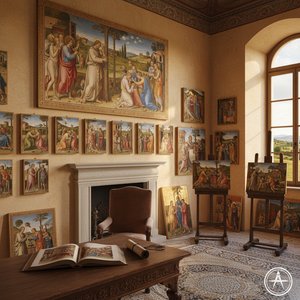
Giotto di Bondone: Top 25 mistrovských děl renesance pro váš domov | OriginalUniqueArt.com
Objevte 25 ikonických děl Giotta di Bondone – průkopníka renesance! Prozkoumejte fresky, náboženské obrazy a mistrovská díla plná emocí. Najděte umělecké reprodukce pro váš interiér na OriginalUniqueArt.com.

Mary Vaux Walcott: Botanical Precision & Artistic Vision in American Conservation
Discover the exquisite botanical watercolors of Mary Vaux Walcott, celebrated as the 'Audubon of Botany.' Explore her life, art, and lasting impact on American conservation through detailed illustrations & Smithsonian contributions.
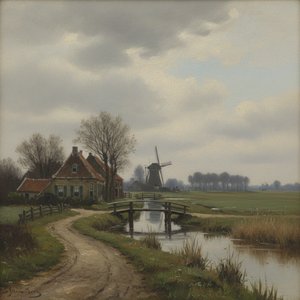
Jacob Henricus Maris: A Master of Dutch Atmospheric Realism & the Intimate Landscape
Explore the captivating world of Jacob Henricus Maris, a leading figure of the Dutch Hague School. Discover his atmospheric landscapes, signature brushstrokes & lasting influence on 19th-century art. Learn more at OriginalUniqueArt.
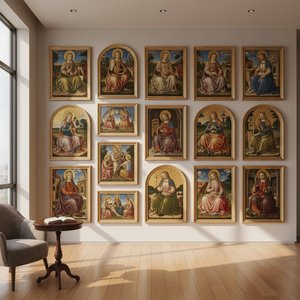
Fra Angelico: 25 mistrovských děl renesančního umění pro váš domov | OriginalUniqueArt.cz
Objevte 25 ikonických děl Fra Angelica – renesančního mistra andělských freskek a náboženských maleb. Prozkoumejte jeho techniku, inspiraci a duchovní poselství. Luxusní reprodukce obrazů pro váš interiér na OriginalUniqueArt.cz
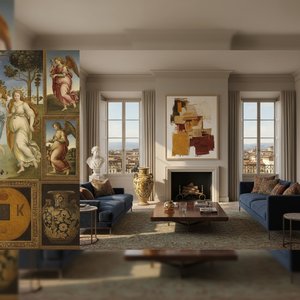
Top 25 uměleckých děl Uffizi: Renesanční mistrovství pro váš domov
Prozkoumejte 25 ikonických děl Galleria degli Uffizi ve Florencii! Obdivujte Botticelliho, Leonarda da Vinci a další renesanční mistry. Reprodukce obrazů pro váš domov na OriginalUniqueArt.com – inspirace a umění do interiéru.


