
 Náhled v interiéru
 Sdílet
 Sdílet
 Podrobnosti o díle
 Průvodce

 Stáhnout
 Podobné položky
 Rentgenové snímky
 Slideshow
 Q&A
Q&A Statistiky
Brother Brown

- 47.0 x 34.0 cm

 Zobrazit více
Umělecké dílo zobrazené na této stránce je chráněno autorským zákonem, což znamená, že nemůžeme legálně vytvářet ani prodávat jeho identickou reprodukci. Tato ochrana je vymáhána na základě mezinárodních dohod, jako například Berberská úmluva a národními zákony, včetně těch stanovených v Americký autorský zákon – Díl 17. Všechna práva vyhrazena.
Tato metoda je plně v souladu s autorským právem, protože nezahrnuje kopírování ani duplikování chráněného díla. Jde o kreativní reinterpretaci – nový obraz, který je inspirován originálem, ale není s ním identický.
Giclée / Umělecký tisk
Giclée nebo plátěný tisk muzeální kvality s rychlou výrobou a širokou nabídkou povrchových úprav. ( Koupit ručně malovaný obraz Přepnout na digitální obraz)




































Vyberte si z našich přednastavených velikostí, které odpovídají původním proporcím díla.

Zadejte šířku a výšku, které potřebujete pro váš rám nebo stěnu. Tisk lze pouze oříznout, nikdy však nelze zvětšit obraz nad jeho původní rozměr, proto při výběru jiného formátu dochází ke ztrátě části obrazu. Před samotným tiskem vám zašleme digitální náhled k schválení. Obraz zobrazený na této stránce nenabízí skutečný výřez — ten uvidíte pouze v náhledu.
Celosvětové doručení () do 2 týdnů namísto standardních 4/5 týdnů. (31 říjen)

Zdarma celosvětová expresní doprava

Vysoce kvalitní lněné plátno

Kompletní pojištění přepravy

Záruka vrácení celního poplatku

Záruka věrného barevného souladu

100dení lhůta pro vrácení zboží (pouze při vadách výroby)

100% záruka vrácení peněz

Sleva při více objednávkách
 Skleněná varianta je dostupná pouze u rozměrů menších než 110 cm

Brother Brown
Giclée / Umělecký tisk
Rozměry reprodukce
-


Celková cena za vybrané možnosti reprodukcí
Kč 1739
Artist Background
Lois Mailou Jones was a prominent figure in the Harlem Renaissance movement, known for her unique style that blended elements of Post-Impressionism and Fauvism. Her personal brush style produces a captivating scene, as seen in Brother Brown. This painting is an early example of Jones' regionalism work, showcasing her ability to capture the essence of everyday life.Painting Details
The painting measures 47 x 34 cm and is executed in watercolor. The scene depicts a man sitting on a bench under a tree, wearing a straw hat and holding a cane. The background features several trees, with one large tree dominating the left side of the painting. A building can also be seen in the distance, adding to the overall atmosphere of the scene.- The use of watercolor in Brother Brown creates a sense of delicacy and intimacy.
- The composition of the painting is well-balanced, with the man positioned near the center of the scene.
- The artist's brush style is characterized by bold, expressive strokes, adding to the emotional impact of the painting.
The Smithsonian American Art Museum is home to an extensive collection of American art, including works by prominent artists like Lois Mailou Jones. To learn more about the museum and its collections, visit /en/art/show/art-aqzgty-en/
For a deeper understanding of Brother Brown and its significance in the art world, I recommend exploring the Wikipedia page on Lois Mailou Jones and her artwork.
Otázky a odpovědi
Jak výrazné jsou barvy díla „Brother Brown“?
Barva díla „Brother Brown“ má nasycení na úrovni Balanced Soft a intenzitu Balanced.
Působí dílo "Brother Brown" celkově spíše světle, nebo tmavě?
U díla „Brother Brown“ od Lois Mailou Jonesová je zaznamenána jasnost balanced při luminanci Gentle Luminance.
Jak mohu získat digitální kopii díla „Brother Brown“ od Lois Mailou Jonesová?
Digitální kopii díla „Brother Brown“ od Lois Mailou Jonesová si můžete objednat jako stažení digitálního obrazu ve vysokém rozlišení na jeho stránce Digitální snímek.
Biografie umělce
A Life Immersed in Color and Culture
Lois Mailou Jones, a name synonymous with groundbreaking artistry and unwavering dedication to African American representation, was born in Boston, Massachusetts, on November 3, 1905. From her earliest years, she was nurtured in an environment that valued creativity; her parents, Thomas Vreeland Jones, a lawyer, and Carolyn Adams Jones, a cosmetologist, encouraged her innate talent for drawing and painting, particularly with the fluid grace of watercolors. Summers spent on Martha's Vineyard proved formative, introducing young Lois to a constellation of influential figures – sculptor Meta Warrick Fuller, composer Harry T. Burleigh, and novelist Dorothy West – who would subtly shape her artistic sensibilities. This early exposure instilled in her not only an appreciation for art but also a sense of cultural pride and the importance of mentorship, values she would carry throughout her life. Her formal education began at the High School of Practical Arts in Boston (1919-1923), followed by night classes at the Boston Museum of Fine Arts, secured through a hard-earned scholarship. A pivotal apprenticeship with costume designer Grace Ripley further broadened her artistic horizons, sparking an early fascination with African masks and their potential for symbolic expression. Even as a teenager, Jones demonstrated remarkable ambition, holding her first solo exhibition on Martha’s Vineyard at the age of seventeen. She continued to hone her skills at the School of the Museum of Fine Arts in Boston (1923-1927), consistently winning the Susan Minot Lane Scholarship, and supplemented her studies with courses at the Boston Normal Art School, culminating in a graduate degree in design from the Design Art School of Boston in 1928.From Textile Design to Artistic Independence
Jones’s initial professional path led her into the world of textile design, working for both F. A. Foster Company in Boston and Schumacher Company in New York City. However, a transformative summer at Harvard University in 1928 ignited a deeper desire – to fully dedicate herself to painting. This decision coincided with the burgeoning Harlem Renaissance, an intellectual and artistic movement that profoundly impacted her work. The influence of artist Aaron Douglas became particularly significant; his stylized depictions of African American life and incorporation of African motifs resonated deeply with Jones’s own emerging aesthetic vision. Her seminal work, The Ascent of Ethiopia, stands as a testament to this period, reflecting both Douglas's stylistic influence and her growing commitment to celebrating African heritage. She bravely confronted societal prejudices during her formative years, pursuing higher education despite facing considerable obstacles due to her race and gender. This determination fueled her artistic pursuits and solidified her belief in the importance of advocating for equality within the art world.Exploring Diverse Influences and Artistic Evolution
Jones’s artistic style evolved considerably over time, demonstrating a remarkable adaptability and willingness to experiment with new techniques. Initially drawn to Impressionism, she gradually incorporated elements of Cubism and abstraction into her compositions, resulting in a distinctive visual language that blended observation with imaginative interpretation. Her fascination with African art—particularly masks—served as a constant source of inspiration, informing her color palettes and compositional strategies. She traveled extensively throughout Europe, Africa, and the Caribbean, absorbing cultural traditions and broadening her artistic perspective. These journeys enriched her understanding of human experience and fueled her desire to convey complex emotions through vibrant imagery. Her marriage to Haitian graphic designer Louis Vergniaud Pierre-Noël in 1953 further deepened her connection to Caribbean culture, introducing bold patterns and luminous hues into her paintings.A Dedicated Educator and Advocate for Artistic Recognition
Beyond her prolific artistic output, Lois Mailou Jones played a crucial role as an educator and champion of African American art. She established the art department at Palmer Memorial Institute in North Carolina in 1928, providing invaluable opportunities for aspiring Black artists to develop their skills and gain recognition. Her unwavering commitment to Howard University spanned over forty years, where she served as Professor of Design and Watercolor Painting, nurturing generations of students and fostering a supportive environment for artistic growth. She tirelessly advocated for the visibility and appreciation of African American art within mainstream institutions, challenging biases and promoting diversity—a pioneering stance that continues to inspire artists today.A Legacy Enduring Through Art and Inspiration
Lois Mailou Jones’s enduring legacy rests on her groundbreaking contributions to American art and her unwavering dedication to fostering artistic excellence among Black students. Her paintings are now housed in prominent museums across the nation, including the Smithsonian American Art Museum and The Metropolitan Museum of Art, ensuring that her vibrant vision—rooted in cultural pride and artistic innovation—will continue to resonate for years to come. She proved that talent transcends boundaries and championed a powerful message: art has the capacity to illuminate the human experience and inspire transformative change.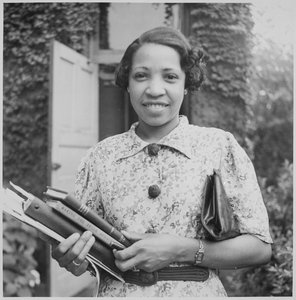
Lois Mailou Jonesová
1905 - 1998 , Spojené státy americké
Rychlé informace o umělci
- Artistic Movement Or Style: Impresionismus
- Artists Or Movements Influenced By This Artist: ['David Driskell']
- Artists Who Influenced This Artist:
- Aaron Douglas
- Meta Warrick Fuller
- Date Of Birth: November 3, 1905
- Date Of Death: June 9, 1998
- Full Name: Lois Mailou Jones
- Nationality: Američanka
- Notable Artworks:
- Jeune Fille Française
- Les Fétiches
- Initiation, Liberia
- Place Of Birth: Boston, USA