
 Náhled
 Sdílet
 Sdílet
 Podrobnosti o díle

 Stáhnout
 Podobné položky
 Rentgenové snímky
 Slideshow
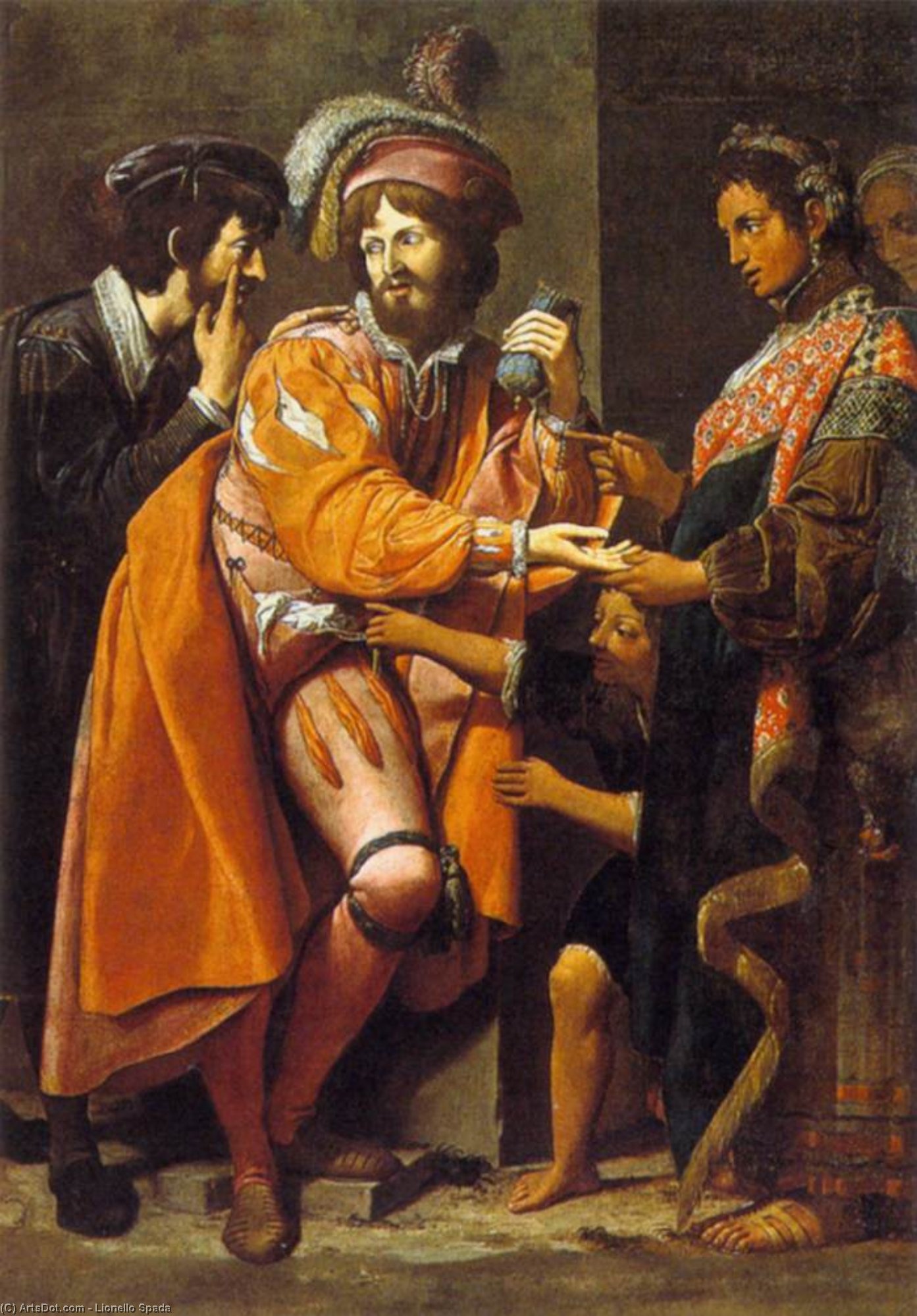
The Gypsy Fortune Teller
 Oil On Canvas
- WallArt
- Baroque
 1614
1614- Early Modern
 211.0 x 158.0 cm
 Galleria Estense
 Zobrazit více
Koupě vysoce rozlišeného, vylepšeného digitálního obrazu, který je mnohem kvalitnější než online náhled.
Každý soubor je pečlivě připraven našimi odborníky pomocí pokročilých nástrojů a expertní manuální retuše. Zajišťujeme, aby každý obraz disponoval výjimečnou ostrostí, přesnou barevnou věrností a jemnými detaily.
Finální soubor vám bude do 72 hodin zaslán e-mailem, optimalizovaný pro okamžité použití v profesionálním, redakčním i tiskovém prostředí. Nabízíme stejnou kvalitu, které důvěřují špičková designová studia, nakladatelství i galerie.
Digitální obrazy
Stáhněte si soubor ve vysokém rozlišení pro osobní prohlížení, tisk a kreativní projekty. ( Koupit tisk Koupit ručně malovaný obraz)
Součást každé objednávky digitálního obrazu
Profesionální digitální doručení, zaručeno.
Když si vyberete OriginalUniqueArt.com, nezískáváte pouze obrázek – získáváte digitální umělecké dílo s profesionálně vylepšenými detaily, zpracované s precizností a podpořené zárukou za spokojenost. Zde je vše, co vaše objednávka automaticky obsahuje:

Rychlé doručení e-mailem
Váš digitální obraz ve vysokém rozlišení vám bude zaslán e-mailem do 72 hodin od objednávky – připraven k okamžitému použití.

Digitální soubor s využitím AI
Vaše umělecké dílo je profesionálně optimalizováno pomocí pokročilých nástrojů umělé inteligence a manuální úpravy, což zajišťuje maximální úroveň detailu, ostrosti a přesnosti barev.

Bezplatné doživotní znovuodeslání
Soubor jste omylem smazali nebo ztratili? Žádný problém – kdykoliv vám ho znovu zašleme zcela zdarma.

Bez poplatků za dovoz – navždy
Užijte si své umělecké dílo okamžitě bez celních poplatků, daní nebo nákladů na dopravu – digitální stažení je vždy bez daňových povinností.

Záruka přesnosti barev
Pomocí profesionálních nástrojů a správy barev zajišťujeme, aby váš digitální obraz odrážel původní barvy co nejvěrněji.

60denní záruka spokojenosti
Pokud nebudete s digitální fotografií spokojeni, provedeme její revizi nebo vám vrátíme 100% během 60 dnů – bez jakýchkoliv dotazů.

100% záruka vrácení peněz
Nespokojeni? Získejte plnou částku zpět do 60 dní od přijetí vašeho digitálního souboru – bez jakýchkoliv dotazů.

Slevy při hromadných objednávkách
Koupěte si 3 obrazy, ušetřete 10% - Koupěte si 5, ušetřete 15% - Koupěte si 10+, ušetřete 20%. Ideální pro kreativní projekty, galerie a agentury.
Popis sběratelského kusu
A Glimpse into Baroque Mystery: The Allure of Fortune
To stand before Lionello Spada's The Gypsy Fortune Teller is to step directly through the velvet curtain and into the smoky, charged atmosphere of a clandestine gathering in early seventeenth-century Bologna. This painting, executed in 1614, is far more than a mere portrait; it is a meticulously composed tableau vivant, capturing a moment suspended between whispered secrets and profound revelation. The scene pulses with an almost palpable energy, drawing the viewer into the intimate circle of figures gathered around the central mystery. Spada masterfully orchestrates this drama, using light and shadow not just as tools of depiction, but as active participants in the narrative itself.
Mastery of Bolognese Baroque Drama
Spada, a key figure in the vibrant Bolognese Baroque movement, channels the dramatic intensity pioneered by Caravaggio while retaining a distinct regional flair. His technique on canvas is breathtakingly immediate; one can almost smell the beeswax candles and hear the hushed murmurs echoing off the unseen walls of the tavern or parlor where this scene unfolds. Observe the central figure, clad in striking red—a color that immediately commands attention—whose hand gestures suggest either profound contemplation or a moment of guarded secrecy. The composition is rich with humanity; surrounding him are faces etched with curiosity, skepticism, and rapt attention. Spada’s handling of flesh tones and drapery reveals an academic rigor beneath the surface drama, showcasing his deep understanding of human anatomy and emotional nuance.
Symbolism and the Allure of Fate
The inclusion of various objects within the scene—the cup resting nearby, the modern anomaly of what appears to be a cell phone held by one patron—adds layers of fascinating ambiguity. While the core narrative speaks to ancient traditions of divination, fortune-telling, and human curiosity, these details invite contemporary interpretation. The gypsy archetype itself has always symbolized the liminal space between known reality and mystical possibility. Here, Spada invites us to question what we truly know versus what we are willing to believe. It is a meditation on fate, overheard whispers, and the irresistible pull of destiny that draws humanity into the circle of the seer.
Bringing Baroque Drama Home
For those who wish to infuse their own interiors with the dramatic gravitas and artistic depth of this period masterpiece, a high-quality reproduction of The Gypsy Fortune Teller offers an unparalleled decorative statement. It is a piece that does not merely hang on a wall; it anchors a room in a specific moment of heightened emotional drama. Its vibrant palette, dominated by deep reds against earthy tones, provides instant focal power, making it ideal for drawing-room settings or libraries where conversation and contemplation are valued. Owning this reproduction allows one to curate an atmosphere steeped in the romance and psychological complexity of the Baroque age.
Biografie umělce
The Dramatic Legacy of Lionello Spada
In the vibrant, shadow-drenched landscape of the early seventeenth century, few artists captured the visceral tension of the Baroque era as profoundly as Lionello Spada. Born in Bologna in 1576, Spada emerged as a pivotal figure within the Bolognese school, a movement that sought to balance classical grace with an unprecedented emotional intensity. His life, though tragically brief—concluding with his death in 17 May 1622 at only forty-six years of age—was defined by a relentless pursuit of realism and a mastery over the interplay of light and darkness. To look upon a Spada canvas is to witness the transition from the stylized elegance of Mannerism into the raw, theatrical power of the Caravaggesque revolution.
Spada’s artistic DNA was woven from the finest threads of his era's competing traditions. His early training under Cesare Bagliente provided him with a rigorous foundation in disegno, the disciplined art of drawing and anatomical precision that had been the hallmark of the Renaissance masters. However, it was the atmospheric influence of the Flemish painter Denis Calvaert that truly ignited Spada's creative spirit. Through this connection, the seeds of Caravaggio’s revolutionary naturalism began to take root in his work. This fusion allowed Spada to move beyond mere anatomical accuracy, embracing a style where light does not simply illuminate a scene but actively sculpts it, carving figures out of an encroaching, velvety gloom.
Mastery of Light and Illusion
As Spada’s career matured, he became a master of the theatrical, expanding his repertoire beyond traditional easel painting into the grand, immersive realms of quadratura. Alongside his collaborator Girolamo Curti, Spada specialized in decorative illusionistic painting, a technique designed to dissolve the physical boundaries of walls and ceilings. These works were not merely decorations but architectural transformations, creating vast, celestial vistas that seemed to open the very heavens above aristocratic halls. This ability to manipulate space and perspective demonstrated a technical versatility that few of his contemporaries could match.
His stylistic evolution is marked by several key artistic milestones:
- The Caravaggesque Influence: The adoption of chiaroscuro, using extreme contrasts between light and shadow to heighten the psychological drama of his subjects.
- Anatomical Rigor: A persistent commitment to the structural integrity of the human form, inherited from his early Bolognese training.
- Collaborative Grandeur: The successful execution of large-scale fresco cycles that integrated painting with architectural illusionism.
- Emotional Realism: A departure from idealized beauty in favor of capturing the grit, movement, and raw humanity of biblical and historical narratives.
Historical Significance and Enduring Impact
The significance of Lionello Spada lies in his role as a bridge between eras. He stood at the crossroads where the structured humanism of the Renaissance met the emotive, often turbulent energy of the Baroque. While much of his biographical history remains shrouded by the passage of time, his visual legacy is unmistakable. By synthesizing the meticulous draftsmanship of the Bolognese tradition with the dramatic naturalism of the Caravaggisti, he helped define a new visual language for Europe.
Today, Spada is remembered not merely as a follower of greater masters, but as a visionary in his own right. His works serve as profound windows into a period of intense religious and social transformation, where art was used to provoke awe, inspire piety, and command the senses. Through his mastery of shadow and his ability to breathe life into the painted figure, Spada ensured that the spirit of the Bolognese Baroque would endure long after his untimely passing.

Lionello Spada
1576 - 1622 , Italy
Stručné informace
- Artistic Movement Or Style: Baroque
- Artists Or Movements Influenced By This Artist: ['Caravaggio']
- Artists Who Influenced This Artist:
- Ludovico Carracci
- Denis Calvaert
- Date Of Birth: 1576 Bologna Italy
- Date Of Death: 1622
- Full Name: Lionello Spada
- Nationality: Italian
- Notable Artworks:
- Saint Sebastian
- Joseph & Potiphar’s Wife
- Martyrdom of St Peter
- Place Of Birth: Bologna Italy

