- Domů

- Tisk na plátno
- Lionello Spada
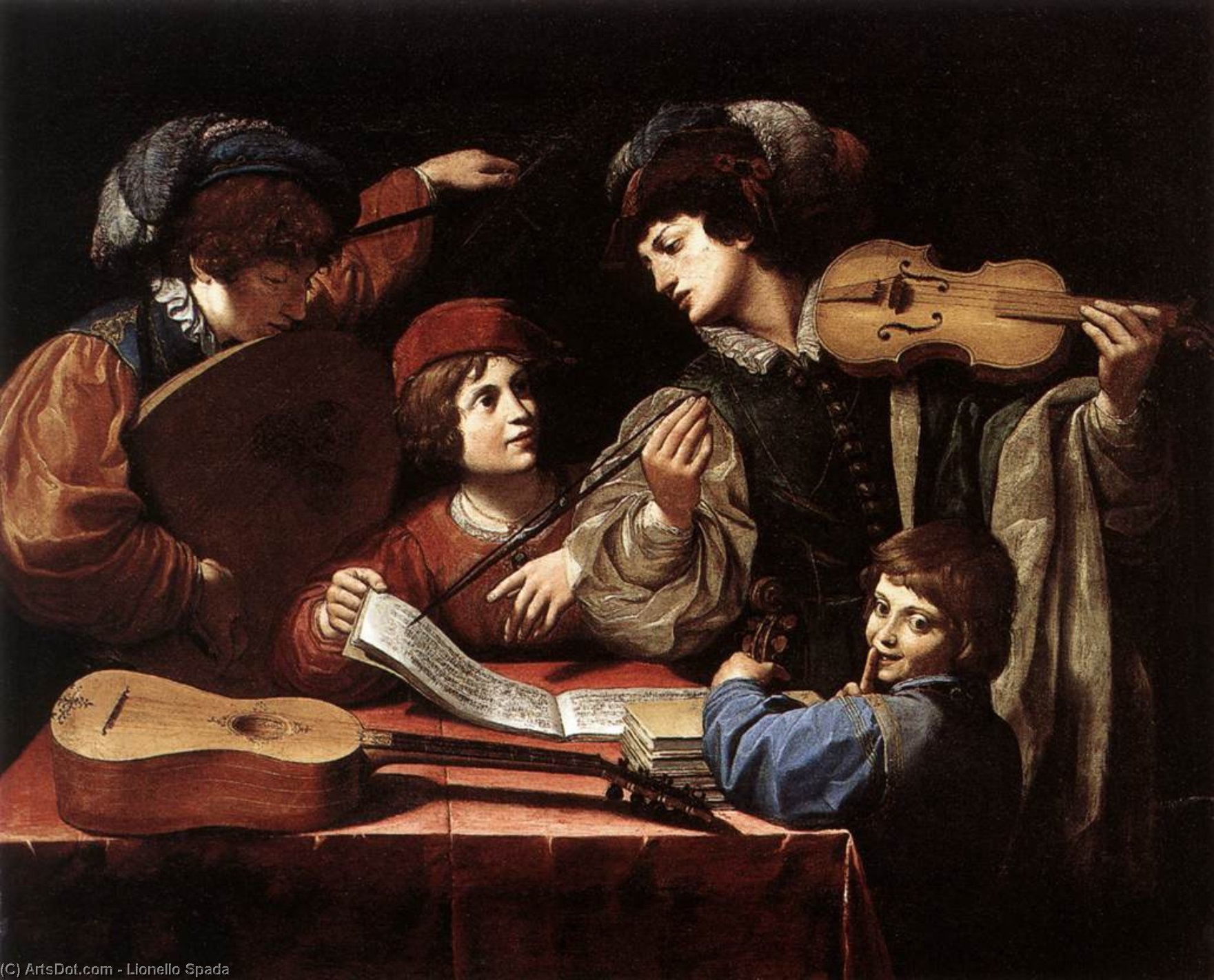
- The Concert
 Objednat reprodukci Koupit digitální obrázek
 Sdílet
 Sdílet
 Podrobnosti o díle
 Přidat do oblíbených

 Stáhnout
 Podobné položky
 Rentgenové snímky
 Slideshow
The Concert
 Oil On Canvas
- WallArt
- Baroque
 1615
1615- Renaissance
 143.0 x 172.0 cm
 Louvr
Louvr
 Zobrazit více
Giclée / Umělecký tisk
Giclée nebo plátěný tisk muzeální kvality s rychlou výrobou a flexibilními možnostmi povrchové úpravy.




P118B $10

P118H $10

P118W $10

P438Z $10

P508JH $12

P508YH $12

P805H $10

P805Z $10

P919BZ $10

P919G $10

P919XJ $10

P959ZH $10

P968JZ $12

W106C $8

W218G $10

W218JH $8

W218Y $10

W307PJ $10

W316G $10

W316PJ $8

W316Y $10

W398PJ $8

W4111J $10

W500HY $15

W500JH $15

W692G $12

W849H $8

W940BG $15

W953PJ $8




Vyberte si z našich přednastavených velikostí, které odpovídají původním proporcím díla.

Můžete zadat vlastní rozměry tak, aby výtvor odpovídal konkrétnímu rámu nebo prostoru. Pokud zvolená velikost nebude odpovídat poměru stran původního obrazu, dílo buď ořížeme, nebo obraz rozšíříme pomocí zrcadlového efektu či jednobarevného okraje. Před zahájením výroby vám bude zaslán digitální náhled k schválení.
Mějte prosím na paměti, že náhled na obrazovce neodráží skutečné oříznutí nebo rozšíření. Pouze digitální náhled přesně zobrazí finální kompozici.
Ačkoliv jsou k dispozici i vlastní rozměry, pro zachování původních proporcí doporučujeme vybrat si rozměr z předdefinovaného seznamu.
Celosvětové doručení () do 2 týdnů namísto standardních 4/5 týdnů. (21 červenec)

Zdarma celosvětová expresní doprava

Vysoce kvalitní lněné plátno

Kompletní přepravní pojištění

Záruka vrácení celního poplatku

Záruka přesného barevného shodu

60denní lhůta pro vrácení zboží (pouze při vadách výroby)

100% garance vrácení peněz

Sleva při hromadné objednávce
 Skleněná varianta je dostupná pouze u rozměrů menších než 110 cm

The Concert
Giclée / Umělecký tisk
Rozměry reprodukce
-


Celková cena za výběr
-
Popis sběratelského kousku
The Concert by Lionello Spada
Lionello Spada’s “The Concert,” completed in 1615, stands as a cornerstone of Bolognese Baroque artistry—a testament to Caravaggio's revolutionary influence and Spada’s masterful execution. More than just a depiction of musicians engaged in performance, it embodies the intellectual fervor and humanist ideals characteristic of its time, capturing a moment poised between anticipation and artistic creation.
Style & Technique: Spada adopted Caravaggio’s dramatic chiaroscuro technique—a bold interplay of light and shadow—to illuminate the scene. Unlike Caravaggio's stark contrasts, Spada employs a softer illumination that nevertheless emphasizes the figures’ musculature and conveys an atmosphere of profound seriousness. The artist meticulously rendered details, from the instruments themselves to the textures of clothing and skin, demonstrating exceptional skill in capturing naturalism within the Baroque aesthetic.
Historical Context: Painted during Urban VIII's papacy—a period marked by artistic patronage and intellectual debate—the artwork reflects the broader cultural landscape of Rome. The Bolognese court, under Spada’s leadership, fostered a vibrant environment for artistic experimentation, attracting artists from across Europe who sought to emulate Caravaggio’s groundbreaking style.
Symbolism & Emotion: Beyond its technical brilliance, “The Concert” resonates with symbolic significance. The musicians represent intellect and contemplation—a deliberate contrast to the prevailing hedonistic tendencies of the era. Their focused gaze and posture convey a sense of solemn dedication, inviting viewers to contemplate the beauty and power of artistic expression.
Location & Provenance: Currently housed in the Musée du Louvre, Paris, “The Concert” boasts an illustrious history dating back to Maffeo Barberini’s collection. Its subsequent journeys through various museums—including Palazzo Braschi, Siena Cathedral, Madrid Prado Museum and Bilbao Museo de Bellas Artes—underscore its enduring appeal and solidify its place as a masterpiece of Baroque art.
Additional Research: You can explore further information about Lionello Spada and “The Concert” on the Web Gallery of Art (https://www.wga.hu/html/s/spada/concert.html) where you can find detailed images and scholarly analyses. Also, delve into Valentin de Boulogne’s “The Concert” (/en/art/valentin-de-boulogne-the-concert-8Y2UV3-en/) to compare stylistic approaches and artistic vision.
Biografie umělce
The Dramatic Legacy of Lionello Spada
In the vibrant, shadow-drenched landscape of the early seventeenth century, few artists captured the visceral tension of the Baroque era as profoundly as Lionello Spada. Born in Bologna in 1576, Spada emerged as a pivotal figure within the Bolognese school, a movement that sought to balance classical grace with an unprecedented emotional intensity. His life, though tragically brief—concluding with his death in 17 May 1622 at only forty-six years of age—was defined by a relentless pursuit of realism and a mastery over the interplay of light and darkness. To look upon a Spada canvas is to witness the transition from the stylized elegance of Mannerism into the raw, theatrical power of the Caravaggesque revolution.
Spada’s artistic DNA was woven from the finest threads of his era's competing traditions. His early training under Cesare Bagliente provided him with a rigorous foundation in disegno, the disciplined art of drawing and anatomical precision that had been the hallmark of the Renaissance masters. However, it was the atmospheric influence of the Flemish painter Denis Calvaert that truly ignited Spada's creative spirit. Through this connection, the seeds of Caravaggio’s revolutionary naturalism began to take root in his work. This fusion allowed Spada to move beyond mere anatomical accuracy, embracing a style where light does not simply illuminate a scene but actively sculpts it, carving figures out of an encroaching, velvety gloom.
Mastery of Light and Illusion
As Spada’s career matured, he became a master of the theatrical, expanding his repertoire beyond traditional easel painting into the grand, immersive realms of quadratura. Alongside his collaborator Girolamo Curti, Spada specialized in decorative illusionistic painting, a technique designed to dissolve the physical boundaries of walls and ceilings. These works were not merely decorations but architectural transformations, creating vast, celestial vistas that seemed to open the very heavens above aristocratic halls. This ability to manipulate space and perspective demonstrated a technical versatility that few of his contemporaries could match.
His stylistic evolution is marked by several key artistic milestones:
- The Caravaggesque Influence: The adoption of chiaroscuro, using extreme contrasts between light and shadow to heighten the psychological drama of his subjects.
- Anatomical Rigor: A persistent commitment to the structural integrity of the human form, inherited from his early Bolognese training.
- Collaborative Grandeur: The successful execution of large-scale fresco cycles that integrated painting with architectural illusionism.
- Emotional Realism: A departure from idealized beauty in favor of capturing the grit, movement, and raw humanity of biblical and historical narratives.
Historical Significance and Enduring Impact
The significance of Lionello Spada lies in his role as a bridge between eras. He stood at the crossroads where the structured humanism of the Renaissance met the emotive, often turbulent energy of the Baroque. While much of his biographical history remains shrouded by the passage of time, his visual legacy is unmistakable. By synthesizing the meticulous draftsmanship of the Bolognese tradition with the dramatic naturalism of the Caravaggisti, he helped define a new visual language for Europe.
Today, Spada is remembered not merely as a follower of greater masters, but as a visionary in his own right. His works serve as profound windows into a period of intense religious and social transformation, where art was used to provoke awe, inspire piety, and command the senses. Through his mastery of shadow and his ability to breathe life into the painted figure, Spada ensured that the spirit of the Bolognese Baroque would endure long after his untimely passing.

Lionello Spada
1576 - 1622 , Italy
Rychlé fakta
- Artistic Movement Or Style: Baroque
- Artists Or Movements Influenced By This Artist: ['Caravaggio']
- Artists Who Influenced This Artist:
- Ludovico Carracci
- Denis Calvaert
- Date Of Birth: 1576 Bologna Italy
- Date Of Death: 1622
- Full Name: Lionello Spada
- Nationality: Italian
- Notable Artworks:
- Saint Sebastian
- Joseph & Potiphar’s Wife
- Martyrdom of St Peter
- Place Of Birth: Bologna Italy
Související články

Barokní mistrovská díla: 10 obrazů, které definovaly umělecký styl | OriginalUniqueArt.cz
Objevte 10 ikonických děl barokního umění – od Caravaggia po Rembrandta. Ponořte se do příběhů mistrů, technik a emocí tohoto velkolepého období. Reprodukce obrazů nejvyšší kvality na OriginalUniqueArt.com! Prozkoumejte celou kolekci online.
Barokní malba: 10 mistrovských děl, které definovaly éru | OriginalUniqueArt.cz
Prozkoumejte 10 ikonických děl barokní malby – od Rembrandta po Caravaggia. Objevte příběhy mistrů, techniky a dramatickou krásu tohoto uměleckého období. Reprodukce obrazů nejvyšší kvality na OriginalUniqueArt.cz! Prohlédněte si celou kolekci online.
Claude Monet: 25 mistrovských děl impresionismu pro váš domov | OriginalUniqueArt.com
Prozkoumejte 25 ikonických děl Claude Moneta – mistra impresionismu. Obdivujte vodní lilie, krajiny a secesní obrazy plné světla a barev. Najděte inspiraci pro váš interiér s reprodukcemi nejvyšší kvality na OriginalUniqueArt.com

Paul Cézanne: 25 mistrovských děl a revoluce v moderním umění | OriginalUniqueArt.cz
Prozkoumejte 25 ikonických děl Paula Cézanna – průkopníka moderního umění a impresionismu. Obdivujte jeho still life, krajiny a portréty. Reprodukce obrazů v nejvyšší kvalitě na OriginalUniqueArt.com. Inspirace pro váš interiér!
Šedá v umění: Top 10 slavných obrazů a inspirace pro váš interiér
Prozkoumejte top 10 slavných obrazů ovládaných šedými tóny – od Moneta po Picassa. Objevte příběhy umělců, techniky a inspiraci pro váš interiér s reprodukcemi nejvyšší kvality na OriginalUniqueArt.com.

