
 Zobrazit v interiéru
 Odeslat
 Sdílet
 Podrobnosti
 Průvodce

 Stáhnout obrázek
 Podobné kousky
 Rentgenové snímky
 Slideshow
 Statistiky
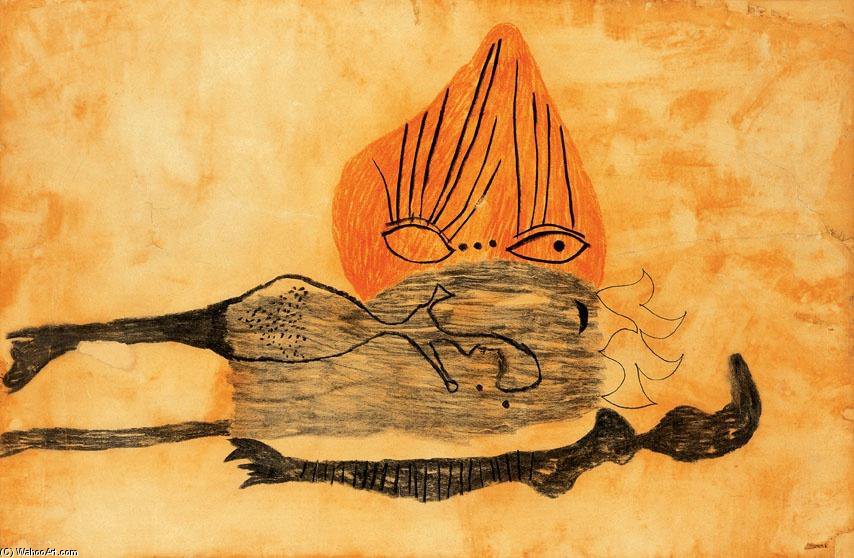
Fire-eye
 Přečíst si více
Ručně malovaná olejová reprodukce
Ručně malované olejné plátno v libovolném rozměru i s rámem, vyrobené našimi umělci na zakázku. ( Přepnout na tiskové verze Přepnout na digitální verzi obrazu)




































Vyberte si z našich přednastavených velikostí, které odpovídají původním proporcím díla.

Můžete zadat vlastní rozměry pro konkrétní rám nebo prostor. Pokud se vámi vybraná velikost neshoduje s proporcemi původního obrazu, dílo buď ořízneme, nebo jej doplníme ručně malovanými prvky. Před zahájením výroby vám bude zaslán digitální náhled ke schválení.
Upozorňujeme, že náhled na obrazovce neodpovídá skutečnému ořezu ani rozšíření. Pouze digitální náhled přesně zobrazí finální kompozici.
Ačkoliv je možné zvolit vlastní velikost, pro zachování původních proporcí doporučujeme vybrat rozměr z předdefinovaného seznamu.
Po přijetí objednávky vám tým OriginalUniqueArt.com zašle e-mail s pokyny a poskytne náhledovou verzi.
Celosvětová doprava () za 3–4 týdny namísto standardních 5 týdnů. (26 září). Bez kompromisů v kvalitě.

Zdarma celosvětová expresní doprava

Vysoce kvalitní lněné plátno

Úplné pojištění přepravy

Záruka vrácení celního poplatku

Záruka věrného barevného shodu

100dení lhůta pro vrácení zboží (pouze při vadách výroby)

100% garance vrácení peněz

Sleva při více objednávkách
 Skleněná varianta je dostupná pouze u rozměrů menších než 110 cm

Fire-eye
Technika provedení
Velikost reprodukce
-


Celková cena
$ 300
Biografie umělce
Lajos Vajda: Vize v ozvěnách maďarské avantgardy
Lajos Vajda stojí jako jedna z nejvýraznějších a nejpůsobivějších postav maďarského světa avantgardního umění, malíř, jehož jedinečný styl a hluboce symbolická obrazová řeč i nadále rezonují s nesmírnou intenzitou. Narodil se v roce 1908 v Zalaegerszegu do skromné židovské rodiny a jeho raný život byl poznamenán jak neustálým pohybem, tak stíny těžkých osudů. Jeho umělecká cesta začala pod přísnou výukou Istvána Csóka na Maďarské akademii výtvarných umění v Budapešti, což byla éra, která u него upevnila základní mistrovství v kompozici. Skutečný oheň do jeho tvůrčího ducha však vdechl čas strávený v Paříži mezi lety 1930 a 1934, kdy studoval v ateliéru Fernanda Légera společně s Dezső Kornissem. V pulzující intelektuální atmosféře Francie Vajda narazil na revoluční proudy kubismu a surrealismu – síly, které nevratně utvářely jeho vizuální jazyk do unikátní syntézy geometrické abstrakce a snových, často znepokojujících obrazů.
Podstata Vajdova díla spočívá v jeho neobyčejné schopnosti propojit nesvázané světy. Po návratu do Maďarska se stal oddaným sběratelem a kronikářem motivů lidového umění, zejména z oblastí Szentendre a Szigetmonostor. Tyto tradice jen nepozoroval; on je vstřebal, pečlivě dokumentoval symboly a vzory, které se staly základním kamenem jeho tvůrčího procesu. Jeho plátna se proměnila v komplexní scény, kde náboženská ikonografie – čerpající z pravoslavné, římskokatolické i židovské tradice – byla organicky propletena s architektonickými prvky a lidovými texturami. Tato vrstvení významů vytvořila duchovní hloubku, která působila současně starobyle i překvapivě moderně, což mu umožnilo zkoumat témata identity, dědictví a lidské existence skrze čočku konstruované reality.
Syntéza symbolismu a modernity
Vajdova technická evoluce byla charakteristická neuvěřitelnou všestranností, pohybující se mezi strukturovanou disciplínou konstruktivismu a fluidní, emotivní hloubkou surrealismu. Jeho dílo často fungovalo jako vizuální dialog mezi tím, co je hmatatelné, a tím, co je metafyzické. V jeho grafičtějších dílech lze pozorovat rytmické napětí inspirované hudebními strukturami Bély Bartóka a Zoltána Kodály, kde linie a tvar tančí s matematickou, a přesto hluboce lidskou přesností. Naopak jeho pozdější kresby a skici mají syrový, viscerální charakter, často využívající uhlí a akvarel k vyvolání vířících, nepředvídatelných sil přírody a postupující temnoty historie.
Kromě čistě estetické roviny byla Vajdova umění hluboce provázána s turbulentní politickou krajinou počátku 20. století. Jeho fascinace dramatickým výkonem filmu a fotomontáže ho vedla k vytváření děl, která se zabývala velkými katastrofami lidstva. Skrze jeho pohled nebyly hrůzy války, hladu a systémového násilí pouze dokumentovány, ale byly transformovány do symbolických alegorií. Jeho závěrečná abstraktně surrealistická díla jsou obzvláště dojmová, neboť se zdají předznamenávat nepředstavitelné zvěrstva druhé světové války, zachycujíce pocit hrůzy a fragmentace, který zrcadlil rozpad samotné evropské civilizace.
Odkaz a historický význam
Ačkoliv byl jeho život v roce 1941 tragicky přerván tuberkulózou v pouhých třiceti třech letech, Lajos Vajda zanechal po sobě působivé a vlivné dílo, které definovalo hranice maďarského modernismu. Jeho velikost spočívá v odmítnutí upsat se rigidním dogmatům směrů, kterým patřil; místo toho dosáhl hluboké nezávislosti integrací lokálního historického materiálu s mezinárodními avantgardními trendy. Proměnil to, co bylo „místní“, v něco univerzálního a dokázal, že lidové motivy a náboženské symboly mohou mluvit k globálním úzkostem moderní éry.
Dnes je Vajda vzpomínán nejen jako malíř, ale jako vizionář, který zachytil duši mizejícího světa a zároveň nahlížel do chaosu budoucnosti. Jeho přínos je stále studován pro jeho:
- Inovativní syntéru: Bezproblémové propojení kubistické struktury se surrealistickými krajinami snů a lidovou tradicí.
- Kulturní zachování: Klíčovou roli v dokumentaci a pozvednutí maďarských a židovských kulturních motivů v rámci vysokého umění.
- Emocionální hloubku: Schopnost přeložit politické a sociální úzkosti jeho éry do trvalých, symbolických mistrovských děl.

Lajos Vajda
1908 - 1941 , Maďarsko
Rychlé informace
- Artistic Movement Or Style: Kubismus a surrealismus
- Artists Or Movements Influenced By This Artist: ['European School Art Group']
- Artists Who Influenced This Artist:
- Béla Bartók
- Zoltán Kodály
- Fernand Léger
- Date Of Birth: 1908
- Full Name: Lajos Vajda
- Nationality: Maďar
- Notable Artworks:
- Moulding Powers On The Horizon
- Self-portrait With Hat
- Madonna Above The Gate
- Place Of Birth: Zalaegerszeg, Maďarsko