

 Náhled v interiéru
 Sdílet
 Sdílet
 Podrobnosti o díle
 Průvodce

 Stáhnout
 Podobné položky
 Rentgenové snímky
 Slideshow
 Statistiky
Construction for Noble Ladies
 Dada
Dada 1919
1919 103.0 x 83.0 cm
 Los Angeles County Museum of Art
 Zobrazit více
Giclée / Umělecký tisk
Giclée nebo plátěný tisk muzeální kvality s rychlou výrobou a širokou nabídkou povrchových úprav. ( Koupit ručně malovaný obraz Přepnout na digitální obraz)




P118B Kč10

P118H Kč10

P118W Kč10

P438Z Kč10

P508JH Kč12

P508YH Kč12

P805H Kč10

P805Z Kč10

P919BZ Kč10

P919G Kč10

P919XJ Kč10

P959ZH Kč10

P968JZ Kč12

W106C Kč8

W218G Kč10

W218JH Kč8

W218Y Kč10

W307PJ Kč10

W316G Kč10

W316PJ Kč8

W316Y Kč10

W398PJ Kč8

W4111J Kč10

W500HY Kč15

W500JH Kč15

W692G Kč12

W849H Kč8

W940BG Kč15

W953PJ Kč8




Vyberte si z našich přednastavených velikostí, které odpovídají původním proporcím díla.

Zadejte šířku a výšku, které potřebujete pro váš rám nebo stěnu. Tisk lze pouze oříznout, nikdy však nelze zvětšit obraz nad jeho původní rozměr, proto při výběru jiného formátu dochází ke ztrátě části obrazu. Před samotným tiskem vám zašleme digitální náhled k schválení. Obraz zobrazený na této stránce nenabízí skutečný výřez — ten uvidíte pouze v náhledu.
Celosvětové doručení () do 2 týdnů namísto standardních 4/5 týdnů. (27 říjen)

Zdarma celosvětová expresní doprava

Vysoce kvalitní lněné plátno

Kompletní pojištění přepravy

Záruka vrácení celního poplatku

Záruka věrného barevného souladu

100dení lhůta pro vrácení zboží (pouze při vadách výroby)

100% záruka vrácení peněz

Sleva při více objednávkách
 Skleněná varianta je dostupná pouze u rozměrů menších než 110 cm

Construction for Noble Ladies
Giclée / Umělecký tisk
Rozměry reprodukce
-


Celková cena za vybrané možnosti reprodukcí
Kč 1716
Biografie umělce
Kurt Schwitters: A Life in Merz
Early Life and Education
- Born: June 20, 1887, in Hanover, Germany.
- Schwitters was the only child of Eduard and Henriette Schwitters. His father co-owned a ladies' clothing shop.
- The family’s financial situation improved after selling the business in 1898, allowing them to live off rental income from properties they acquired.
- He studied art at the Dresden Academy from 1909-1915 alongside artists like Otto Dix and George Grosz, though he seemingly remained unaware of their work at the time.
- Schwitters suffered his first epileptic seizure in 1901, which later exempted him from military service for a period during World War I.
Artistic Development and the Birth of Merz
- Initially, Schwitters worked in a post-impressionist style. His early work reflected this influence.
- The devastation of World War I profoundly impacted his artistic direction. He felt traditional academic training was irrelevant in the face of societal collapse.
- “In the war, things were in terrible turmoil…everything had broken down and new things had to be made out of the fragments; and this is Merz.”
- Around 1918, he began creating abstract collages using found objects – scraps of paper, tickets, and other discarded materials.
- The term “Merz” itself came from a fragment of text (“Commerz und Privatbank”) cut from an advertisement and incorporated into one of his early works, *Das Merzbild* (1918-19).
Key Works and Artistic Styles
- Merz Pictures: These collages are arguably Schwitters’ most famous contribution. They represent a radical departure from traditional art, embracing chance and the aesthetics of everyday life.
- Merzbau: A monumental architectural construction within his home in Hanover, continuously evolving over decades. It was a three-dimensional embodiment of Merz principles – a labyrinthine space filled with niches, grottoes, and found objects.
- Assemblage & Installation Art: Schwitters pioneered these forms, blurring the boundaries between painting, sculpture, and architecture.
- He also worked in poetry, sound, graphic design, and typography, exploring a wide range of artistic media.
Influences and Connections
- Early influences included post-impressionism, but he quickly moved beyond these conventions.
- He came into contact with members of the Berlin avant-garde – Raoul Hausmann, Hannah Höch, and Hans Arp – through Herwarth Walden’s *Der Sturm* gallery.
- While associated with Dadaism, Schwitters maintained a distinct artistic identity. He was initially rejected by some Dadaists for his ties to expressionism.
Later Life and Legacy
- Facing increasing persecution under the Nazi regime due to his “degenerate art,” Schwitters fled Germany in 1937.
- He spent time in Norway and England, continuing to create Merz works despite challenging circumstances. He was briefly interned as an enemy alien during World War II.
- Died: January 8, 1948, in Ambleside, England.
- Kurt Schwitters’ work profoundly influenced subsequent generations of artists, particularly those involved in Pop Art, Minimalism, and Conceptual Art.
- His innovative use of found objects and his exploration of the relationship between art and everyday life continue to resonate with contemporary audiences.
Historical Significance
- Schwitters’ Merz aesthetic challenged traditional notions of artistic beauty and authorship.
- He expanded the definition of art by incorporating non-art materials and blurring the lines between different disciplines.
- His work remains a powerful testament to the creative potential of fragmentation, reconstruction, and the embrace of chance.

Kurt Schwitters
1887 - 1948
Rychlé informace o umělci
- Name: Kurt Schwitters
- Movement:
- Dadaism
- Constructivism
- Surrealism
- Merz
- Birth Date: June 20, 1887
- Death Date: 1948
- Birth Place: Hanover, Germany
- Nationality: German
- Date Of Birth: 1887
- Date Of Death: 1948
- Notable Works:
- Merz pictures
- Merzbau
Související články

Geometrická abstrakce: 10 mistrovských děl, které změnily umění | OriginalUniqueArt.cz
Prozkoumejte 10 ikonických děl geometrické abstrakce od Mondriana, Maleviče a Kandinského. Objevte příběhy umělců, techniky a historii tohoto revolučního hnutí. Najděte inspiraci pro moderní dekorace a luxusní reprodukce obrazů na OriginalUniqueArt.com.

Top 10 mistrovských děl abstraktního expresionismu | Umění a dekorace s OriginalUniqueArt.com
Prozkoumejte 10 ikonických děl abstraktního expresionismu od Pollocka, Rothka a dalších. Objevte příběhy za obrazy, techniky a barevné palety tohoto revolučního uměleckého hnutí. Reprodukce obrazů s OriginalUniqueArt.com – luxusní dekorace pro váš interiér. Prozkoumejte celou kolekci online!
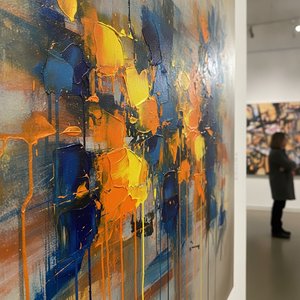
Beyond the Lines: Mastering the High-Impact World of Contemporary Abstraction
Master the high-impact world of contemporary abstraction. Discover how bold colors, textures, and modern movements like Abstract Expressionism can transform your space with premium, high-energy art curated for the design-conscious professional.
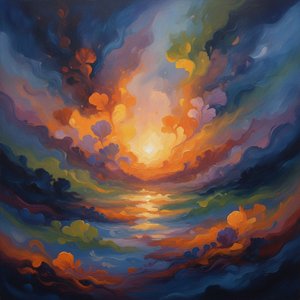
The Soul of Color: A Journey into the Emotional Resonance of Lyrical Abstraction
Embark on a cultural journey through Lyrical Abstraction. Explore how masters like Kandinsky used color and motion to translate emotion into visual poetry. Discover the profound beauty of abstract expressionism and learn to curate emotional resonance in your own art collection.

Lyrical Abstraction: The High-Energy Soul of Modern Art’s Most Vibrant Movement
Dive into the high-energy world of Lyrical Abstraction. Explore how bold colors, fluid motion, and emotional depth define this modern masterpiece movement. Discover iconic artists and learn to bring this vibrant, soulful energy into your contemporary space.