
 Náhled v interiéru
 Sdílet
 Sdílet
 Podrobnosti o díle
 Průvodce

 Stáhnout
 Podobné položky
 Rentgenové snímky
 Slideshow
 Otázky a odpovědi
 Statistiky
Chandelier Hanging

- 46.0 x 79.0 cm


 Zobrazit více
Umělecké dílo zobrazené na této stránce je chráněno autorským zákonem, což znamená, že nemůžeme legálně vytvářet ani prodávat jeho identickou reprodukci. Tato ochrana je vymáhána na základě mezinárodních dohod, jako například Berberská úmluva a národními zákony, včetně těch stanovených v Americký autorský zákon – Díl 17. Všechna práva vyhrazena.
Tato metoda je plně v souladu s autorským právem, protože nezahrnuje kopírování ani duplikování chráněného díla. Jde o kreativní reinterpretaci – nový obraz, který je inspirován originálem, ale není s ním identický.
Giclée / Umělecký tisk
Giclée nebo plátěný tisk muzeální kvality s rychlou výrobou a širokou nabídkou povrchových úprav. ( Koupit ručně malovaný obraz Přepnout na digitální obraz)




P118B Kč10

P118H Kč10

P118W Kč10

P438Z Kč10

P508JH Kč12

P508YH Kč12

P805H Kč10

P805Z Kč10

P919BZ Kč10

P919G Kč10

P919XJ Kč10

P959ZH Kč10

P968JZ Kč12

W106C Kč8

W218G Kč10

W218JH Kč8

W218Y Kč10

W307PJ Kč10

W316G Kč10

W316PJ Kč8

W316Y Kč10

W398PJ Kč8

W4111J Kč10

W500HY Kč15

W500JH Kč15

W692G Kč12

W849H Kč8

W940BG Kč15

W953PJ Kč8




Vyberte si z našich přednastavených velikostí, které odpovídají původním proporcím díla.

Zadejte šířku a výšku, které potřebujete pro váš rám nebo stěnu. Tisk lze pouze oříznout, nikdy však nelze zvětšit obraz nad jeho původní rozměr, proto při výběru jiného formátu dochází ke ztrátě části obrazu. Před samotným tiskem vám zašleme digitální náhled k schválení. Obraz zobrazený na této stránce nenabízí skutečný výřez — ten uvidíte pouze v náhledu.
Celosvětové doručení () do 2 týdnů namísto standardních 4/5 týdnů. (3 listopad)

Zdarma celosvětová expresní doprava

Vysoce kvalitní lněné plátno

Kompletní pojištění přepravy

Záruka vrácení celního poplatku

Záruka věrného barevného souladu

100dení lhůta pro vrácení zboží (pouze při vadách výroby)

100% záruka vrácení peněz

Sleva při více objednávkách
 Skleněná varianta je dostupná pouze u rozměrů menších než 110 cm

Chandelier Hanging
Giclée / Umělecký tisk
Rozměry reprodukce
-


Celková cena za vybrané možnosti reprodukcí
Kč 1766
Chandelier Hanging: A Surreal Pop Art Dialogue
The artwork presents an arresting juxtaposition – a commonplace chandelier reimagined as a playful commentary on domesticity and consumer culture through the unexpected inclusion of colorful stockings. Created by Kiki Kogelnik, born in Blagoveshchensk, Austria, in 1935, this piece embodies the spirit of Pop Art’s fascination with everyday objects elevated to symbolic significance. Its creation coincided with the anxieties surrounding the Space Race and the burgeoning influence of technological advancements on societal perceptions – themes that resonate powerfully within Kogelnik's broader artistic vision.- Composition & Perspective: The central focus is undeniably the chandelier, positioned against a stark white wall, offering a frontal view that emphasizes its geometric form and sculptural presence. Lines dominate the structure of the chandelier itself and subtly delineate the contours of the stockings, creating a sense of stability amidst the vibrant visual chaos.
- Material & Technique: Likely executed in oil paint or acrylic on canvas, Kogelnik’s technique prioritizes capturing color and shape with remarkable precision while maintaining an overall aesthetic that leans towards spontaneity and delight. The use of vinyl and acrylic hanger suggests a deliberate engagement with industrial materials—a characteristic trait of Pop Art artists who sought to challenge traditional artistic conventions.
- Color Palette & Symbolism: The artwork’s chromatic vibrancy is immediately striking, dominated by the bold hues of the stockings – blues, greens, reds, whites, yellows, blacks and more – which create a dramatic contrast against the neutral backdrop. This deliberate color choice isn't merely decorative; it speaks to Pop Art’s embrace of commercial imagery and its exploration of psychological associations.
- Stylistic Influences: Kogelnik drew inspiration from Serge Poliakoff of the École de Paris, acknowledging the influence of European Abstract Expressionism on her formative artistic journey. However, she swiftly established her own distinctive style, rejecting pure abstraction in favor of a more expressive approach that anticipates the stylistic developments of Pop Art.
- Emotional Impact: Ultimately, “Chandelier Hanging” succeeds in provoking contemplation about our relationship with objects and traditions. The absurdity inherent in repurposing a chandelier—a symbol of grandeur and formality—with stockings—representing comfort and domesticity—invites viewers to question societal norms and embrace unconventional perspectives.
Historical Context & Artistic Movement
The artwork’s genesis occurred during the Cold War era, a period marked by intense ideological rivalry between East and West and fueled by anxieties surrounding nuclear proliferation. Kogelnik's artistic explorations mirrored this broader societal preoccupation with technological progress and its impact on human experience—particularly as reflected in her fascination with cyborgs and representations of femininity. Her work stands apart from prevailing trends within European Abstraction, aligning instead with the burgeoning Pop Art movement’s rejection of elitist aesthetics and embrace of vernacular imagery.Detailed Analysis: Form & Texture
The artwork's shallow depth contributes to its immersive quality, drawing viewers into a carefully crafted visual space where form and texture intertwine. The smooth surface of the ceiling and wall contrasts subtly with the textured fabric of the stockings—a deliberate choice that enhances tactile perception and reinforces the artwork’s symbolic resonance. The artist skillfully employs geometric shapes—primarily derived from the stocking forms—to convey stability and precision, mirroring the influence of Constructivism on her artistic sensibilities.Concluding Remarks: Legacy & Interpretation
Kiki Kogelnik's “Chandelier Hanging” remains a testament to her unwavering commitment to challenging artistic boundaries and fostering dialogue about pressing social issues. Recognized as one of Austria’s most important Pop artists, she paved the way for future generations of female creatives who dared to explore feminist themes and question conventional societal expectations. Its enduring appeal lies in its ability to capture both the playful exuberance of Pop Art and the profound contemplation inherent in confronting familiar objects with fresh perspectives—a legacy that continues to inspire artistic innovation today.Otázky a odpovědi
Kdo je autorem díla "Chandelier Hanging" a do kterého uměleckého směru patří?
Dílo "Chandelier Hanging" vytvořil/a Kiki Kogelnik v rámci stylu Pop Art. Autor/ka i toto umělecké směřování definují tradici tohoto díla.
Jakou úroveň kontrastu má dílo „Chandelier Hanging“ od Kiki Kogelnik?
„Chandelier Hanging“ od Kiki Kogelnik vykazuje Serene kontrast mezi světlými a tmavými částmi.
Jaká je luminance díla „Chandelier Hanging“ od Kiki Kogelnik?
Dílo „Chandelier Hanging“ od Kiki Kogelnik má luminanci na úrovni Luminous. Luminance popisuje, jak velkou míru světla barvy odrážejí.
Biografie umělce
Kiki Kogelnik: Life and Legacy
Early Life and Education
Kiki Kogelnik (1935–1997) was a pivotal Austrian painter, sculptor, and printmaker. Born in Blagoveshchensk, Austria, she received her artistic training at the Vienna Academy of Fine Arts. This foundational education provided her with the technical skills that would later be employed in her innovative and often provocative works.
Artistic Development and Influences
Kogelnik’s early career, beginning in 1961 at Galerie nächst St. Stephan in Vienna, was marked by abstract compositions. Initially, she drew inspiration from artists like Serge Poliakoff of the École de Paris. However, Kogelnik quickly developed her own distinct style, moving away from pure abstraction and embracing the emerging Pop Art aesthetic. While often categorized within Pop Art, she frequently expressed reservations about being solely defined by this movement.
Key Themes and Artistic Style
Throughout her career, Kogelnik explored a range of themes including technology, consumerism, and – particularly in the 1970s – the representation of women in media. Her work is characterized by vibrant colors, bold shapes, and a playful yet critical approach to societal norms. She frequently utilized materials like vinyl and plastic, reflecting her interest in modern industrial processes.
- Her “Women Works” directly addressed stereotypical portrayals of femininity.
- She often incorporated elements of science fiction and space exploration into her art.
- Kogelnik’s sculptures and hangings are known for their dynamic forms and tactile qualities.
Major Achievements and Recognition
Kogelnik achieved significant recognition during her lifetime, exhibiting widely in Europe and the United States. A large retrospective of her work was held at the Belvedere Museum in Vienna in 1997, shortly after her death. In 1998, she was posthumously awarded Austria’s highest decoration for services to the country – the Decoration of Honour for Services to the Republic of Austria – a testament to her lasting impact on Austrian art and culture.
Historical Significance
Kiki Kogelnik is considered one of Austria's most important Pop-related artists. Her work challenged conventional artistic boundaries and offered a unique perspective on the social and political landscape of the 20th century. She paved the way for future generations of female artists, particularly those interested in exploring feminist themes and challenging societal expectations. Her innovative use of materials and her willingness to experiment with different forms continue to inspire artists today.
Death and Legacy
Kiki Kogelnik passed away on February 1, 1997, in Vienna due to cancer. She is buried in Bleiburg, Austria. Her legacy continues through her artwork, which remains highly sought after by collectors and museums worldwide.
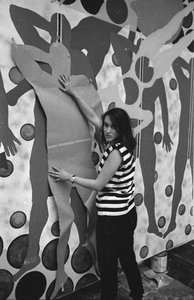
Kiki Kogelnik
1935 - 1997 , Austria
Rychlé informace o umělci
- Name: Kiki Kogelnik
- Movement: Pop Art
- Birth Date: 1935
- Death Date: 1997
- Birth Place: Blagoveshchensk, Austria
- Nationality: Austrian
- Date Of Birth: 1935
- Date Of Death: 1997
- Influenced By: Serge Poliakoff
- Notable Works:
- Fly Me to the Moon
- Untitled (Skull)
- Place Of Birth: Blagoveshchensk, Austria
Související články

10 legendárních bronzových mistrovských děl, která změnila umění | OriginalUniqueArt
Objevte 10 legendárních bronzových mistrovských děl od Rodina, Donatella a dalších. Ponořte se do historie umění a nechte se inspirovat nadčasovými sochařskými replikami pro váš interiér. Prozkoumejte celou kolekci online na OriginalUniqueArt.com!

Pop Surrealism Unveiled: The Sophisticated Intersection of Vibrant Pop Art and Dreamlike Subconscious Landscapes
Explore the captivating world of Pop Surrealism. Discover how vibrant Pop Art meets dreamlike subconscious imagery through the works of masters like Jeff Soto and Ryan Heshka. An expert guide for discerning collectors seeking to understand this profound contemporary art movement.

The Enduring Form: Exploring Themes & Techniques in Sculpture Across Historical Periods
Explore the rich history of sculpture from ancient masterpieces to contemporary innovations. Discover key techniques, influential artists & investment potential for discerning art collectors.

10 legendárních bronzových soch, které změnily umění | OriginalUniqueArt
Objevte 10 legendárních bronzových soch od Michelangela, Rodina a dalších mistrů! Ponořte se do historie umění, technik a příběhů za těmito nadčasovými díly. Najděte inspiraci pro váš interiér s OriginalUniqueArt.com – repliky nejvyšší kvality.

The Enduring Form: Sculpture Across History, Technique & Emotional Resonance
Explore the rich history of sculpture with OriginalUniqueArt. Discover key techniques, influential artists & investment potential for discerning collectors. Expert insights into valuing and collecting timeless masterpieces.