Pop Art · 1990
Icons (Keith Haring, 1990)
Keith Haring (1958–1990) vytvořil dílo Icons. Pochází z roku 1990. Patří k hnutí Pop Art. Je vyrobeno z Lithograph. Nachází se v Nakamura Keith Haring Collection v Hōkuto, Japonsko.
- 1990
- Lithograph
- Nakamura Keith Haring Collection, Hōkuto

 Náhled v interiéru

 Ručně malovaná olejná reprodukce
 Sdílet
 Sdílet
 Informační list


 Stáhnout
 Podobné položky
 Rentgenové snímky
 Slideshow
 Otázky a odpovědi

 Statistiky
Icons v kostce
- Název díla
- Icons
- Autor
- Keith Haring (1958–1990)
- Rok narození umělce
- Reading, Spojené státy americké
- Datum vytvoření
- 1990
- Technika
- Lithograph
- Kde jej vidět
- Nakamura Keith Haring Collection, Hōkuto, Japonsko
- Pohyb
- Pop Art
- Období
- Modern
- Motiv
- keith haring, radiant baby, iconic figure, youthful innocence, symbolism, new york art
Co przedstawuje dílo Icons?
A Chronicle of Innocence and Chaos: Exploring Keith Haring’s ‘Icons’
Keith Haring's “Icons,” created in 1990 – the same year as his untimely passing – stands as a potent testament to the artist’s explosive engagement with urban life, social commentary, and the very nature of human experience. Published during a period of profound cultural shift in New York City, these lithographs capture a raw energy that continues to resonate today. The series, comprised of recurring figures like the crawling baby, the dog, the angel, the winged man, and the ubiquitous smiley face, isn’t merely a collection of images; it's a carefully constructed dialogue between innocence, chaos, spirituality, and the anxieties of a rapidly changing world.
- The Radiant Baby: Perhaps the most instantly recognizable element within “Icons,” the crawling baby – often referred to as "The Radiant Baby" – embodies Haring’s core philosophy. Initially conceived as a symbol of youthful innocence, purity, and potential, it quickly evolved into something far more complex. The figure's vulnerability speaks to the fragility of life, while its upward gaze suggests an aspiration towards transcendence. It is deeply personal, reflecting Haring himself—a young man navigating his own path with unwavering optimism.
- Animal Allegories: Haring’s use of animal figures adds another layer of interpretation. The barking dog, a recurring motif, doesn't offer simple allegorical meaning; instead, it often represents action, suspicion, and the inherent anxieties within human interaction. Conversely, the angel figure transcends mere religious iconography, becoming a representation of spiritual guidance alongside the complexities of life, power, and chaos—a potent juxtaposition reflecting Haring’s own exploration of faith and doubt.
- The Winged Man: The “Winged Man,” with its prominent ‘x’ marking on the chest, is arguably the most densely layered in symbolism. Initially interpreted as a mark of death or a sign of mystery, it quickly became associated with coupling, representing both union and the unknown. Haring deliberately blurred these meanings, inviting viewers to grapple with the inherent contradictions within human existence.
Technique and Style: A Bold New Vision
Haring’s artistic style is instantly identifiable – a vibrant explosion of black outlines on a stark white background. This deceptively simple technique—developed through his early street art practice—allowed him to create monumental images that commanded attention, particularly within the context of crowded urban spaces. The lithograph process itself, with its inherent limitations in color and tonal range, forced Haring to focus on form, line, and composition, resulting in a powerfully graphic aesthetic. His use of bold, simplified shapes – reminiscent of comic book art and children’s illustrations – was deliberately accessible, aiming to bypass intellectual barriers and speak directly to the emotions of his audience.
Historical Context and Cultural Significance
Created in 1990, “Icons” emerged during a pivotal moment in New York City's artistic landscape. Haring’s work coincided with the rise of graffiti art and the burgeoning AIDS crisis, reflecting a growing awareness of social injustice and a desire for open dialogue. His figures, often appearing in public spaces, became symbols of resistance and solidarity, challenging conventional notions of art and engaging directly with the concerns of marginalized communities. The series' publication during his final year is particularly poignant, adding an element of urgency and reflection to its already complex themes.
Emotional Impact and Artistic Legacy
“Icons” continues to captivate viewers with its raw energy and profound emotional resonance. Haring’s work isn’t simply decorative; it's a powerful meditation on life, death, innocence, and the human condition. The vibrant colors and dynamic compositions evoke a sense of joy, wonder, and perhaps even unease – mirroring the complexities of our own experiences. As a key figure in 20th-century art, Haring’s influence extends far beyond his immediate circle, inspiring generations of artists to embrace bold expression and engage with social issues through their work.
Ve kterém muzeu se nachází Icons?
Nakamura Keith Haring Collection
Hōkuto, Japonsko
Svatoviště zářivých linií: Nakamura Keith Haring Collection V srdci úchvatných hor Yatsugatake v japonské Hokuto se nachází skutečně jedinečná destinace pro milovníky umění a obdivovatele živé výraznosti: Nakamura Keith Haring Collection. Toto místo je mnohem víc než jen muzeem; je to imerzivní zážitek, pouť do samotného jádra extraordinérní vize jednoho muže. Tato soukromá instituce, založená Kazuo Nakamurou – vášnivým sběratelem, který se s Haringovým dílem poprvé setkal v New Yorku v roce 1987 – pečlivě sestavila sbírku přesahující 300 děl.
Vysokorozlišené fotografie díla Icons

Protected by copyright: these files are for personal reference, not a licence to republish.
Keith Haring, Icons (1990), Nakamura Keith Haring Collection.
Odpovědi na otázky k dílu Icons
Které muzeum uchovává originál díla "Icons"?
Dílo „Icons“ od Keith Haring je vystaveno v instituci Nakamura Keith Haring Collection, Hōkuto, Japonsko. Uvedené muzeum se vztahuje k originálu, nikoliv k reprodukcím.
V jakém roce vzniklo dílo „Icons“ od Keith Haring?
Dílo „Icons“ od Keith Haring vzniklo v roce 1990.
Jakou technikou je vytvořeno dílo "Icons"?
„Icons“ je dílo vytvořené v technice Lithograph.
Co zachycuje dílo "Icons"?
„Icons“ od Keith Haring zobrazuje: keith haring, radiant baby, iconic figure, youthful innocence, symbolism, new york art, character design.
Je dílo „Icons“ volné z autorských práv?
Stav autorských práv pro dílo „Icons“ od Keith Haring: toto dílo spadá do stále chráněno autorským právem. To určuje, zda lze volně vytvářet reprodukce tohoto obrazu.
Kdo vytvořil "Icons"?
Dílo "Icons" se připisuje autorovi Keith Haring.
K kterému uměleckému směru patří „Icons“ od Keith Haring?
„Icons“ je dílo z období Pop Art. Tento směr představuje uměleckou tradici, jejíž je dílo součástí.
Do které éry tvorby Keith Haring spadá dílo "Icons"?
V rámci kariéry umělce Keith Haring spadá dílo „Icons“ do období Late Period. Tato fáze umožňuje jeho srovnání s dalšími díly tohoto umělce.
V jakém věku vytvořil/a Keith Haring dílo „Icons"?
Při vzniku díla „Icons“ v roce 1990 bylo umělcům Keith Haring (narozenému/é v 1958) 32 let.
O umělci, Keith Haring

1958–1990, Spojené státy americké
Keith Haring
Zářivá stopa: Život a dílo Keitha Haringa Keith Allen Haring, jméno neodmyslitelně spojené s pulzujícím životem New Yorku 80. let, byl víc než jen umělec – byl kulturním fenoménem. Narodil se 4. května 1958 v Readingu v Pensylvánii a jeho cesta k výtvarnému umění nezačala ve striktních akademických prostorách, ale v hravém světě dětské fantazie.
Také od autora Keith Haring
 Montreux
 Untitled (235) – Národní galerie Praha
 Oltář: Život Krista1990
 Andíšek1986
Eseje k tématu Icons
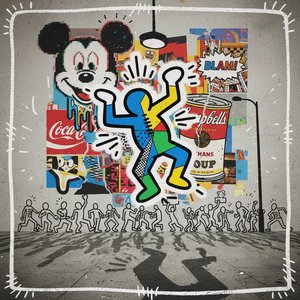 Keith Haring: Subverting Pop Culture – An Examination of Social Commentary & Artistic InnovationExplore the revolutionary art of Keith Haring – a powerful blend of pop aesthetics & social activism. Discover his iconic works, influences…
 Unveiling the Raw Emotion: The Top 25 Masterpieces by Francis BaconJourney through the raw emotion of Francis Bacon's most iconic works. From distorted figures to visceral portraits, explore 25 masterpieces…
 James Abbott McNeill Whistler: Top 25 mistrovských děl pro váš interiér | OriginalUniqueArt.comProzkoumejte 25 ikonických děl Jamese Abbotta McNeilla Whistlera! Obrazy Nocturnes, portréty a estetismus. Inspirace pro interiér s uměleck…