Koupit tisk Koupit digitální obrázek
 Sdílet
 Sdílet
 Podrobnosti o díle
 Přidat do oblíbených

 Stáhnout
 Podobné položky
 Rentgenové snímky
 Slideshow
Pilot
 Acrylic On Canvas
- WallArt
- Cubism
 1913
1913- Modern
 13.0 x 10.0 cm
 Zobrazit více
Ručně malovaná olejová reprodukce
Ručně malovaná olejná barva na plátně ve vašem zvoleném rozměru i s rámem, vyrobená našimi umělci na zakázku.




P118B $10

P118H $10

P118W $10

P438Z $10

P508JH $12

P508YH $12

P805H $10

P805Z $10

P919BZ $10

P919G $10

P919XJ $10

P959ZH $10

P968JZ $12

W106C $8

W218G $10

W218JH $8

W218Y $10

W307PJ $10

W316G $10

W316PJ $8

W316Y $10

W398PJ $8

W4111J $10

W500HY $15

W500JH $15

W692G $12

W849H $8

W940BG $15

W953PJ $8




Vyberte si z našich přednastavených velikostí, které odpovídají původním proporcím díla.

Můžete zadat vlastní rozměry pro konkrétní rám nebo prostor. Pokud se vámi vybraná velikost neshoduje s proporcemi původního obrazu, dílo buď ořízneme, nebo jej doplníme ručně malovanými prvky. Před zahájením výroby vám bude zaslán digitální náhled ke schválení.
Upozorňujeme, že náhled na obrazovce neodpovídá skutečnému ořezu ani rozšíření. Pouze digitální náhled přesně zobrazí finální kompozici.
Ačkoliv je možné zvolit vlastní velikost, pro zachování původních proporcí doporučujeme vybrat rozměr z předdefinovaného seznamu.
Po přijetí objednávky vám tým OriginalUniqueArt.com zašle e-mail s pokyny a poskytne náhledovou verzi.
Celosvětová doprava () za 3–4 týdny namísto standardních 5 týdnů. (19 červenec). Bez kompromisů v kvalitě.

Zdarma celosvětová expresní doprava

Vysoce kvalitní lněné plátno

Kompletní přepravní pojištění

Záruka vrácení celního poplatku

Záruka přesného barevného shodu

60denní lhůta pro vrácení zboží (pouze při vadách výroby)

100% garance vrácení peněz

Sleva při hromadné objednávce
 Skleněná varianta je dostupná pouze u rozměrů menších než 110 cm

Pilot
Technika reprodukce
Rozměry reprodukce
-


Celková cena za výběr
-
Popis díla
A Glimpse into the Dawn of Abstraction: Kazimir Malevich’s ‘Pilot’ (1913)
‘Pilot’ by Kazimir Malevich is not a depiction *of* something, but rather an exploration of seeing itself – a pivotal moment in art history where representation began to yield to pure feeling and geometric form. Executed in 1913, this small-scale (13 x 10 cm) work on paper serves as a crucial stepping stone towards Malevich’s groundbreaking Suprematist movement.Deconstructing Reality: Style & Technique
The artwork is a masterclass in analytical Cubism, pushing the boundaries of the style toward complete abstraction. Malevich meticulously renders a dynamic composition using graphite – likely pencil or charcoal – achieving remarkable textural depth through varying line weights and shading. The arrangement of triangles, circles, and rectangles isn’t arbitrary; they overlap and intersect, creating a fragmented spatial ambiguity that challenges traditional perspective. The precision of the lines and the deliberate use of negative space are hallmarks of Malevich's rigorous approach to form. This is not about *showing* an object, but about dissecting visual experience into its fundamental components.Historical Context: From Cubism to Suprematism
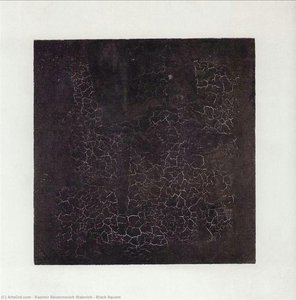
Born in Ukraine, Kazimir Malevich (1878-1935) absorbed a diverse range of influences – from folk art to Impressionism and Fauvism – before encountering Cubism during a transformative trip to Paris in 1912. However, he quickly moved beyond simply adopting existing styles. ‘Pilot’ represents this transitional phase; it demonstrates his engagement with Cubist principles but already hints at the radical simplification that would define Suprematism. Suprematism, which Malevich formally launched in 1915, sought to liberate art from any reference to the visible world, focusing instead on pure geometric shapes and their emotional resonance. This work is a vital precursor to iconic pieces like ‘Black Square’.Symbolism & Emotional Impact
While seemingly devoid of subject matter, ‘Pilot’ isn't entirely without meaning. The title itself suggests movement and exploration – perhaps alluding to the artist’s own journey toward new artistic territories. The fragmented forms can be interpreted as representing the breakdown of traditional ways of seeing, a rejection of representational accuracy in favor of a more intuitive, spiritual approach to art. The work evokes a sense of intellectual complexity and quiet contemplation. It's not an artwork designed to offer easy answers but rather to provoke questions about the nature of perception and the possibilities of abstract expression.Collecting & Interior Design
‘Pilot’ is a significant piece for collectors interested in early 20th-century avant-garde art and the development of abstraction. Its monochrome palette and geometric composition make it surprisingly versatile for interior design.- It complements modern and minimalist spaces, adding a touch of historical depth.
- Its small size makes it ideal for intimate settings or as part of a curated gallery wall.
- A high-quality reproduction captures the textural nuances and dynamic energy of the original, bringing a piece of art history into your home or office.
Biografie umělce
Kazimir Malevich: A Pioneer of Abstract Art
Kazimir Severinovich Malevich (1878-1935) stands as a monumental figure in the history of art, recognized globally for his groundbreaking contribution to Suprematism – an artistic movement that fundamentally reshaped perceptions of visual expression. Born in Kyiv Oblast, Ukraine, Malevich’s formative years were steeped in Ukrainian folklore and rural traditions, subtly informing his later artistic vision. His early training focused on traditional styles like Impressionism and Symbolism before he embarked on a transformative journey to Paris in 1912, where he encountered the vibrant dynamism of European avant-garde movements. This pivotal encounter propelled him toward abstraction, driven by an unwavering belief that art should transcend representational illusion and tap into pure feeling—a conviction that would become the cornerstone of Suprematism. Around 1915, Malevich established this revolutionary movement, rejecting any depiction of external reality in favor of geometric forms like squares, circles, and rectangles arranged on a canvas with uncompromising simplicity. His most iconic work, *Black Square* (1915), embodies this radical aesthetic, symbolizing an audacious rejection of convention and marking a decisive break from artistic heritage. Alongside *Black Square*, *White on White* (1918) – a series exploring the purity of form against a white background – cemented Malevich’s reputation as a visionary artist who dared to challenge established norms. Malevich's artistic trajectory wasn’t solely defined by Suprematism; he initially experimented with Cubism and Fauvism, absorbing influences from artists like Picasso and Matisse. However, it was his unwavering dedication to geometric abstraction that secured his legacy. He penned influential treatises on art theory, articulating the philosophical underpinnings of Suprematism and advocating for a new artistic consciousness—a testament to his intellectual engagement alongside his creative prowess. Despite facing political persecution during Stalin’s regime – initially receiving governmental support before experiencing suppression – Malevich persevered in his artistic pursuits and continued to impart knowledge as an educator until his untimely death in Leningrad (now St. Petersburg) in 1935. His oeuvre remained largely unrecognized for decades following his demise, yet it experienced a significant revival in the latter half of the twentieth century, establishing Malevich’s enduring position among the titans of modern art history. He profoundly impacted subsequent artists like El Lissitzky and indirectly influenced countless others through the indelible mark of Suprematism—a movement that continues to inspire contemplation on the essence of artistic expression.
Kazimír Malevič
1878 - 1935 , Ukrajina
Rychlé fakta
- Artistic Movement Or Style: Suprematismus, Abstrakce
- Artists Or Movements Influenced By This Artist:
- Konstruktivismus
- El Lissitzky
- Artists Who Influenced This Artist:
- Impresionismus
- Fauvizmus
- Date Of Birth: 1878
- Date Of Death: 1935
- Full Name: Kazimir Severinovič Malevich
- Nationality: Ukrajinský/Ruský
- Notable Artworks:
- Černá čtvrť
- Bílá na bílou
- Place Of Birth: Kyjev, Ukrajina
Související články

Geometrická abstrakce: 10 mistrovských děl, které změnily umění | OriginalUniqueArt.cz
Prozkoumejte 10 ikonických děl geometrické abstrakce od Mondriana, Maleviče a Kandinského. Objevte příběhy umělců, techniky a historii tohoto revolučního hnutí. Najděte inspiraci pro moderní dekorace a luxusní reprodukce obrazů na OriginalUniqueArt.com.

Beyond Form & Color: Geometric Abstraction's Evolution in 20th/21st Century Art
Explore the evolution of geometric abstraction from Cubism to contemporary art. Discover key artists like Malevich & Mondrian, investment insights, and expert collecting advice at OriginalUniqueArt.
Kazimir Malevich: Top 25 Děl Suprematismu pro Vaši Inspiraci | OriginalUniqueArt.com
Prozkoumejte 25 ikonických děl Kazmira Maleviče a objevte sílu suprematismu. Černé náměstí, bílé na bílém a další abstraktní mistrovská díla. Repliky obrazů nejvyšší kvality pro váš interiér – OriginalUniqueArt.com.
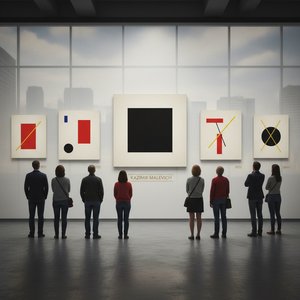
Kazimir Malevich: Pioneering Suprematism & the Quest for Non-Objective Art
Explore the revolutionary art of Kazimir Malevich & his groundbreaking Suprematism movement. Discover the origins, core principles, and lasting impact of this pivotal force in modern abstract painting.

Subtilní odstíny: Prozkoumávání černé, bílé a šedé abstrakce v moderním interiérovém designu
Prozkoumejte sílu černé, bílé a šedé v moderním interiéru! Odborný průvodce abstraktním uměním, psychologií barev a inspirace od mistrů jako Richter a Rothko. Vytvořte sofistikovaný prostor s OriginalUniqueArt.