
 Náhled v interiéru
 Sdílet
 Sdílet
 Podrobnosti o díle
 Průvodce

 Stáhnout
 Podobné položky
 Rentgenové snímky
 Slideshow
 Otázky a odpovědi
 Statistiky
Demon


 Zobrazit více
Giclée / Umělecký tisk
Giclée nebo plátěný tisk muzeální kvality s rychlou výrobou a širokou nabídkou povrchových úprav. ( Koupit ručně malovaný obraz Přepnout na digitální obraz)




P118B Kč10

P118H Kč10

P118W Kč10

P438Z Kč10

P508JH Kč12

P508YH Kč12

P805H Kč10

P805Z Kč10

P919BZ Kč10

P919G Kč10

P919XJ Kč10

P959ZH Kč10

P968JZ Kč12

W106C Kč8

W218G Kč10

W218JH Kč8

W218Y Kč10

W307PJ Kč10

W316G Kč10

W316PJ Kč8

W316Y Kč10

W398PJ Kč8

W4111J Kč10

W500HY Kč15

W500JH Kč15

W692G Kč12

W849H Kč8

W940BG Kč15

W953PJ Kč8




Vyberte si z našich přednastavených velikostí, které odpovídají původním proporcím díla.

Zadejte šířku a výšku, které potřebujete pro váš rám nebo stěnu. Tisk lze pouze oříznout, nikdy však nelze zvětšit obraz nad jeho původní rozměr, proto při výběru jiného formátu dochází ke ztrátě části obrazu. Před samotným tiskem vám zašleme digitální náhled k schválení. Obraz zobrazený na této stránce nenabízí skutečný výřez — ten uvidíte pouze v náhledu.
Celosvětové doručení () do 2 týdnů namísto standardních 4/5 týdnů. (5 listopad)

Zdarma celosvětová expresní doprava

Vysoce kvalitní lněné plátno

Kompletní pojištění přepravy

Záruka vrácení celního poplatku

Záruka věrného barevného souladu

100dení lhůta pro vrácení zboží (pouze při vadách výroby)

100% záruka vrácení peněz

Sleva při více objednávkách
 Skleněná varianta je dostupná pouze u rozměrů menších než 110 cm

Demon
Giclée / Umělecký tisk
Rozměry reprodukce
-


Celková cena za vybrané možnosti reprodukcí
Kč 1756
A Stark Vision of the Unseen: Kazimir Malevich's 'Demon'
Kazimir Malevich’s 1914 painting, “Demon,” is not merely a depiction of a monstrous figure; it’s a visceral exploration of primal fear and the unsettling power of suggestion. Rendered in a deceptively simple style—bold black outlines against a bleached-white backdrop—the artwork immediately commands attention with its raw intensity. This isn't the polished, idealized representation of art history; instead, we encounter a world stripped bare to its essential elements, echoing the nascent principles of Suprematism and hinting at the anxieties simmering beneath the surface of early 20th-century Europe.
The composition is dominated by the central demon itself. Its elongated form, with disproportionately large head, pointed ears, and a gaping mouth, evokes a sense of grotesque power. Malevich’s deliberate use of thick black lines doesn't simply define the figure; they pulsate with energy, creating an immediate and unsettling visual impact. The simplification of features—the vacant eyes, the sharp angles—heightens the feeling of otherworldliness, as if we are glimpsing a being from beyond our comprehension. Crucially, the painting’s stark palette – primarily black and off-white – amplifies this effect, creating an atmosphere of profound isolation and dread.
The Language of Symbols: Cyrillic Text and Spiritual Weight
What initially appears as a minimalist composition is profoundly enriched by the dense field of Cyrillic text that dominates the right side of the canvas. This isn’t mere decoration; it's integral to understanding the artwork’s meaning. While the exact translation remains debated, scholars believe this incantation or narrative likely served as a key to unlocking the demon’s nature and purpose within Malevich’s artistic vision. The inclusion of text adds layers of mystery, suggesting a connection between the visual image and a deeper spiritual or occult context – reflecting the prevalent interest in mysticism and the supernatural during that period.
The choice of Cyrillic script is particularly significant given Malevich's Ukrainian heritage and the painting’s creation during a time of shifting national identities. It subtly connects the artwork to Eastern European folklore and traditions, hinting at ancient beliefs surrounding demons and spirits. The text acts as a conduit, inviting the viewer to actively participate in deciphering the demon’s story – transforming the image from a static representation into an interactive experience.
Roots in Expressionism and the Dawn of Suprematism
“Demon” sits at a fascinating crossroads within art history. While undeniably influenced by the raw emotionality of Expressionism—evident in its distorted forms and unsettling subject matter—it also anticipates the revolutionary principles of Suprematism, which Malevich would later fully develop. The painting’s emphasis on pure form, reduced to its essential elements, foreshadows his later explorations of geometric abstraction. Malevich's early exposure to folk art, combined with a desire for modern expression, formed the foundation of his unique style. This piece demonstrates that journey—a deliberate move away from representational forms towards a purely abstract and spiritual realm.
Considering Malevich’s biography – born in Kyiv Oblast, Ukraine – adds another layer of complexity to the work. The painting can be viewed as a reflection on the anxieties and uncertainties of a nation undergoing rapid change and grappling with its identity. The demon, therefore, becomes not just a supernatural entity but also a symbol of internal conflict and the darker aspects of human nature.
A Legacy of Shadow and Form
“Demon” is more than simply a depiction of a frightening figure; it’s a profound meditation on fear, spirituality, and the power of visual language. Reproductions of this artwork offer a unique opportunity to experience Malevich's groundbreaking vision – a stark reminder that art can be both unsettling and deeply evocative. Its enduring appeal lies in its ability to tap into our primal anxieties while simultaneously pushing the boundaries of artistic expression.
Otázky a odpovědi
Jaký emocionální náboj nese dílo „Demon“ od Kazimír Malevič?
„Demon“ je spojováno s Mysterious pocity. Emocionální náboj díla popisuje dojem, který z něj vyzařuje.
Jak výrazný je kontrast v díle „Demon“ od Kazimír Malevič?
Kontrast světla a stínu u díla „Demon“ je klasifikován jako Statement. Kontrast popisuje, jak výrazně se liší světlé a tmavé oblasti.
Jsou barvy v díle „Demon“ od Kazimír Malevič syté, nebo tlumené?
Barvy díla „Demon“ od Kazimír Malevič mají Muted saturaci. Saturace určuje, jak jsou barvy živé nebo tlumené.
Biografie umělce
Kazimir Malevich: Průkopník abstraktního umění
Raný život a vlivy
- Kazimir Severinovič Malevič se narodil v roce 1878 v Kyjevské oblasti na Ukrajině do polské rodiny, přičemž jeho raná léta byla hluboce formována ukrajinskou venkovskou krajinou a její bohatou lidovou kulturou.
- Jeho výchova v sobě vrostila cit pro tradiční umělecké projevy, které později v jeho díle nenápadně rezonovaly.
- Formální vzdělání začalo v Kyjevě, ale Malevič rychle hledal širší umělecké obzory, zaměřil se na Moskvu a nakonec se napojil na rozkvétající evropská avantgardní hnutí.
- Klíčové vlivy: Rané setkání s lidovým uměním, spojené s touhou po moderním vyjádření, vytvořilo základ jeho jedinečného stylu.
Umělecký vývoj a klíčová hnutí
- V počátcích Malevič prozkumával různé styly, včetně impresionismu, symbolismu, fauvismu a kubismu. Zlomová cesta do Paříže v roce 1912 ho vystavila nejnovějším trendům evropského umění.
- Postupně se vzdal od figurativních forem a hledal čistě umělecký jazyk založený na geometrických tvářích a barvě.
- To vedlo k vytvoření suprematismu kolem roku 1915 – abstraktního hnutí zaměřeného na „supremacii čistého citu“ v umění.
- Suprematismus odmítal jakékoli snahy zobrazovat předměty ze světa viditelného a místo toho upřednostňoval základní geometrické tvary, jako jsou čtverce, kruhy a obdélníky.
Hlavní úspěchy a významná díla
- Černý čtverec (1915): Pravděpodobně jeho nejslavnější dílo, které představuje radikální odklon od tradičního umění a je považováno za zakládní kámen abstraktního malířství.
- Bílé na bílém (1918): Série zkoumající čistotu formy a barvy, která představuje bílé geometrické tvary na bílém pozadí – tím posouvá abstrakci do jejích extrémů.
- Stroyuschiysya dom [Dům ve výstavbě] (1916): Raný příklad suprematismu, který ukazuje jeho unikátní pohled na ukrajinskou kulturu prostřednictím abstraktních forem.
- Rozsáhle také psal o teorii umění, přičemž formuloval filozofické principy stojící za suprematismem a prosazoval nový umělecký vědomí.
Historický význam a odkaz
- Malevičovo dílo hluboce ovlivnilo vývoj abstraktního umění 20. století a mělo vliv na hnutí jako minimalismus a konstruktivismus.
- Zpochybnil konvenční představy o reprezentaci a připravil cestu pro neobjektivní umění.
- Jeho myšlenky o čistém citu a geometrické abstrakci rezonují i u dnešních umělců.
- Navzdory politickému pronásledování za éry Stalina – kdy byl nejprve podporován, ale poté potlačován – Malevič vytrval ve své tvorbě i výuce.
- Vliv na pozdější umělce: přímo ovlivnil umělce jako El Lissitzky a nepřímým dědictvím suprematismu utvaril tváře nespočetným dalším tvůrcům.
Pozdní život a smrt
- V pozdějších letech se Malevič vrátil k figurativnímu malířství a pokoušel se syntetizovat své abstraktní principy s reprezentativními formami.
- O umění продовжуoval vyučovat i psát až do své smrti v Leningradu (dnešní Petrohrad) v roce 1935.
- Jeho dílo zůstalo po jeho smrti po několik desetiletí relativně neznámé, ale v druhé polovině 20. století zažilo renesanci zájmu, která upevnila jeho postavení jako jedné z nejdůležitějších postav moderní historie umění.

Kazimír Malevič
1878 - 1935 , Ukrajina
Rychlé informace o umělci
- Artistic Movement Or Style: Suprematismus, Abstrakce
- Artists Or Movements Influenced By This Artist:
- Konstruktivismus
- El Lissitzky
- Artists Who Influenced This Artist:
- Impresionismus
- Fauvizmus
- Date Of Birth: 1878
- Date Of Death: 1935
- Full Name: Kazimir Severinovič Malevich
- Nationality: Ukrajinský/Ruský
- Notable Artworks:
- Černá čtvrť
- Bílá na bílou
- Place Of Birth: Kyjev, Ukrajina
Související články

Kazimir Malevich: Top 25 Děl Suprematismu pro Vaši Inspiraci | OriginalUniqueArt.com
Prozkoumejte 25 ikonických děl Kazmira Maleviče a objevte sílu suprematismu. Černé náměstí, bílé na bílém a další abstraktní mistrovská díla. Repliky obrazů nejvyšší kvality pro váš interiér – OriginalUniqueArt.com.

Geometrická abstrakce: 10 mistrovských děl, které změnily umění | OriginalUniqueArt.cz
Prozkoumejte 10 ikonických děl geometrické abstrakce od Mondriana, Maleviče a Kandinského. Objevte příběhy umělců, techniky a historii tohoto revolučního hnutí. Najděte inspiraci pro moderní dekorace a luxusní reprodukce obrazů na OriginalUniqueArt.com.

Wassily Kandinsky: Top 25 mistrovských děl abstrakce pro váš interiér | OriginalUniqueArt.com
Prozkoumejte 25 ikonických děl Wassily Kandinského – průkopníka abstraktního umění a expresionismu. Objevte příběhy za barevnými kompozicemi, Bauhaus styl a inspirujte se pro váš interiér s reprodukcemi nejvyšší kvality na OriginalUniqueArt.com.

Top 10 mistrovských děl abstraktního expresionismu | Umění a dekorace s OriginalUniqueArt.com
Prozkoumejte 10 ikonických děl abstraktního expresionismu od Pollocka, Rothka a dalších. Objevte příběhy za obrazy, techniky a barevné palety tohoto revolučního uměleckého hnutí. Reprodukce obrazů s OriginalUniqueArt.com – luxusní dekorace pro váš interiér. Prozkoumejte celou kolekci online!
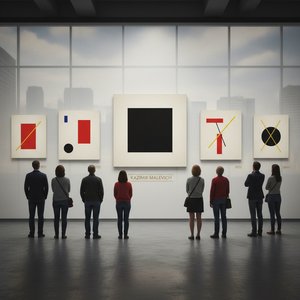
Kazimir Malevich: Pioneering Suprematism & the Quest for Non-Objective Art
Explore the revolutionary art of Kazimir Malevich & his groundbreaking Suprematism movement. Discover the origins, core principles, and lasting impact of this pivotal force in modern abstract painting.


