
 Náhled v interiéru
 Sdílet
 Sdílet
 Podrobnosti o díle
 Průvodce

 Stáhnout
 Podobné položky
 Rentgenové snímky
 Slideshow
 Otázky a odpovědi
 Statistiky
Peacock


 Zobrazit více
Umělecké dílo zobrazené na této stránce je chráněno autorským zákonem, což znamená, že nemůžeme legálně vytvářet ani prodávat jeho identickou reprodukci. Tato ochrana je vymáhána na základě mezinárodních dohod, jako například Berberská úmluva a národními zákony, včetně těch stanovených v Americký autorský zákon – Díl 17. Všechna práva vyhrazena.
Tato metoda je plně v souladu s autorským právem, protože nezahrnuje kopírování ani duplikování chráněného díla. Jde o kreativní reinterpretaci – nový obraz, který je inspirován originálem, ale není s ním identický.
Giclée / Umělecký tisk
Giclée nebo plátěný tisk muzeální kvality s rychlou výrobou a širokou nabídkou povrchových úprav. ( Koupit ručně malovaný obraz Přepnout na digitální obraz)




P118B Kč10

P118H Kč10

P118W Kč10

P438Z Kč10

P508JH Kč12

P508YH Kč12

P805H Kč10

P805Z Kč10

P919BZ Kč10

P919G Kč10

P919XJ Kč10

P959ZH Kč10

P968JZ Kč12

W106C Kč8

W218G Kč10

W218JH Kč8

W218Y Kč10

W307PJ Kč10

W316G Kč10

W316PJ Kč8

W316Y Kč10

W398PJ Kč8

W4111J Kč10

W500HY Kč15

W500JH Kč15

W692G Kč12

W849H Kč8

W940BG Kč15

W953PJ Kč8




Vyberte si z našich přednastavených velikostí, které odpovídají původním proporcím díla.

Zadejte šířku a výšku, které potřebujete pro váš rám nebo stěnu. Tisk lze pouze oříznout, nikdy však nelze zvětšit obraz nad jeho původní rozměr, proto při výběru jiného formátu dochází ke ztrátě části obrazu. Před samotným tiskem vám zašleme digitální náhled k schválení. Obraz zobrazený na této stránce nenabízí skutečný výřez — ten uvidíte pouze v náhledu.
Celosvětové doručení () do 2 týdnů namísto standardních 4/5 týdnů. (4 listopad)

Zdarma celosvětová expresní doprava

Vysoce kvalitní lněné plátno

Kompletní pojištění přepravy

Záruka vrácení celního poplatku

Záruka věrného barevného souladu

100dení lhůta pro vrácení zboží (pouze při vadách výroby)

100% záruka vrácení peněz

Sleva při více objednávkách
 Skleněná varianta je dostupná pouze u rozměrů menších než 110 cm

Peacock
Giclée / Umělecký tisk
Rozměry reprodukce
-


Celková cena za vybrané možnosti reprodukcí
Kč 1756
Biografie umělce
A Life Immersed in Color and Culture: The Journey of Kattingeri Krishna Hebbar
Kattingeri Krishna Hebbar, a name synonymous with the vibrant tapestry of modern Indian art, wasn't merely a painter; he was a visual storyteller who breathed life into the everyday experiences of India. Born in 1911 in Karnataka, his artistic journey began not within the hallowed halls of formal institutions but amidst the rich cultural landscape of his family and surroundings. His father, a traditional artisan, instilled in him an early appreciation for craftsmanship and local aesthetics. This upbringing proved pivotal, shaping Hebbar’s unique style that seamlessly blended folk art traditions with contemporary sensibilities. Though he initially pursued studies at the Chennai School of Art, it was his later exposure to European masters – particularly during his time at the Slade School of Fine Art in London – that broadened his artistic horizons. However, unlike many of his contemporaries who fully embraced Western techniques, Hebbar consciously chose a path of synthesis, integrating global influences with the deeply rooted narratives of Indian life. He returned to India imbued with new skills but determined to forge an identity distinctly his own.The Evolution of a Distinct Style: From Realism to Narrative Abstraction
Hebbar’s early works demonstrate a clear grounding in realism, reflecting the academic training he received. However, this phase was relatively short-lived. He quickly moved away from purely representational art, driven by a desire to capture not just *what* India looked like but *how it felt*. This led him towards a unique form of narrative abstraction. His paintings are characterized by bold lines, simplified forms, and a striking use of color – often employing earthy tones alongside vibrant hues. He wasn’t interested in photographic accuracy; instead, he sought to distill the essence of his subjects, conveying their energy and spirit through dynamic compositions. Scenes of village life, festivals, and social gatherings became recurring motifs, rendered with a captivating sense of movement and rhythm. His figures, though stylized, are imbued with a palpable humanity, reflecting his deep empathy for the common people. This period also saw him experiment with mural painting, further solidifying his connection to traditional Indian art forms. He believed that art should be accessible to all, not confined within the walls of galleries, and murals provided a powerful medium for reaching a wider audience.Themes of Society and Celebration: The Heart of Hebbar’s Work
The core of Hebbar's artistic vision lay in his portrayal of Indian society – its joys, struggles, rituals, and celebrations. He depicted the lives of farmers, laborers, women, and children with dignity and respect, challenging conventional representations that often marginalized these communities. His paintings are filled with scenes of bustling marketplaces, vibrant festivals like *Dasara* and *Holi*, and intimate moments of family life. However, his work wasn’t merely celebratory; he also subtly addressed social issues such as poverty, inequality, and the changing dynamics of rural India. He did so not through overt political statements but by highlighting the resilience and spirit of the people in the face of adversity. His ability to capture the essence of human experience without resorting to sentimentality is a testament to his artistic maturity. Hebbar’s fascination with folklore and mythology also played a significant role in his work. He drew inspiration from traditional stories, epics like the *Ramayana* and *Mahabharata*, and local legends, imbuing them with contemporary relevance.Recognition and Legacy: A Padma Shri and Enduring Influence
Throughout his career, Hebbar received numerous accolades for his contributions to Indian art. He was awarded the prestigious Padma Shri in 1969, recognizing his exceptional talent and dedication to promoting Indian culture. His work has been exhibited extensively both nationally and internationally, earning him widespread critical acclaim. Beyond his own artistic achievements, Hebbar played a crucial role as an educator. He served as Principal of the Karnataka Chitrakala Parishat for many years, nurturing generations of young artists and encouraging them to embrace their cultural heritage while exploring new creative avenues. He believed in fostering a holistic approach to art education, emphasizing both technical skill and conceptual understanding. Today, Hebbar’s legacy continues to inspire artists across India. His unique style – a harmonious blend of tradition and modernity – has left an indelible mark on the landscape of Indian painting. He demonstrated that it was possible to be both rooted in one's culture and engaged with the global art world, paving the way for future generations of artists to explore their own identities and express themselves authentically.Hebbar’s Enduring Significance: A Bridge Between Worlds
Kattingeri Krishna Hebbar stands as a pivotal figure in the evolution of Indian modernism. He wasn't simply adopting Western styles or replicating traditional forms; he was actively synthesizing them, creating something entirely new and uniquely his own. His work serves as a powerful reminder of the richness and diversity of Indian culture, celebrating the lives of ordinary people and challenging conventional narratives.- His emphasis on narrative abstraction broadened the possibilities of Indian painting.
- His commitment to art education nurtured generations of artists.
- His ability to seamlessly blend folk traditions with contemporary sensibilities continues to inspire.
- He remains a vital link between India’s artistic past and its vibrant present.

Rychlé informace o umělci
- Full Name: Kattingeri Krishna Hebbar
- Nationality: Indian
- Date Of Birth: (Living)
- Place Of Birth: India
- Notable Artworks:
- Untitled (Hungry Soul)
- Peacock
- Untitled (Landscape)
- Artistic Movement Or Style: Traditional Indian art; Mural painting India; Rajput miniatures influence
Související články

Geometrická abstrakce: 10 mistrovských děl, které změnily umění | OriginalUniqueArt.cz
Prozkoumejte 10 ikonických děl geometrické abstrakce od Mondriana, Maleviče a Kandinského. Objevte příběhy umělců, techniky a historii tohoto revolučního hnutí. Najděte inspiraci pro moderní dekorace a luxusní reprodukce obrazů na OriginalUniqueArt.com.

Beyond the Lines: Mastering the High-Impact World of Contemporary Abstraction
Master the high-impact world of contemporary abstraction. Discover how bold colors, textures, and modern movements like Abstract Expressionism can transform your space with premium, high-energy art curated for the design-conscious professional.

Top 10 mistrovských děl abstraktního expresionismu | Umění a dekorace s OriginalUniqueArt.com
Prozkoumejte 10 ikonických děl abstraktního expresionismu od Pollocka, Rothka a dalších. Objevte příběhy za obrazy, techniky a barevné palety tohoto revolučního uměleckého hnutí. Reprodukce obrazů s OriginalUniqueArt.com – luxusní dekorace pro váš interiér. Prozkoumejte celou kolekci online!

Wassily Kandinsky: Top 25 mistrovských děl abstrakce pro váš interiér | OriginalUniqueArt.com
Prozkoumejte 25 ikonických děl Wassily Kandinského – průkopníka abstraktního umění a expresionismu. Objevte příběhy za barevnými kompozicemi, Bauhaus styl a inspirujte se pro váš interiér s reprodukcemi nejvyšší kvality na OriginalUniqueArt.com.
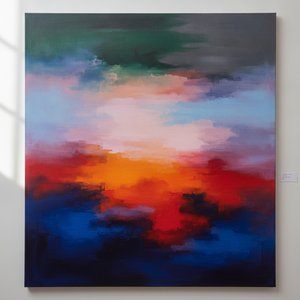
Color Field Painting: The Emotional Power of Pure Abstraction and Chromatic Depth
Explore the profound emotional depth of Color Field painting. Discover the history of mid-century abstraction, from Rothko to Newman, and learn how pure color transforms the viewer's experience through our expert art history guide.