Náhled v interiéru
 Sdílet
 Sdílet
 Podrobnosti o díle
 Průvodce

 Stáhnout
 Podobné položky
 Rentgenové snímky
 Slideshow
 Statistiky
Saint Peter and Saint Paul


 Zobrazit více
Ručně malovaná olejová reprodukce
Rukou malované olejné plátno v libovolném rozměru i s rámem, vyrobené našimi umělci na zakázku. ( Přepnout na tisk Přepnout na digitální obraz)




P118B Kč10

P118H Kč10

P118W Kč10

P438Z Kč10

P508JH Kč12

P508YH Kč12

P805H Kč10

P805Z Kč10

P919BZ Kč10

P919G Kč10

P919XJ Kč10

P959ZH Kč10

P968JZ Kč12

W106C Kč8

W218G Kč10

W218JH Kč8

W218Y Kč10

W307PJ Kč10

W316G Kč10

W316PJ Kč8

W316Y Kč10

W398PJ Kč8

W4111J Kč10

W500HY Kč15

W500JH Kč15

W692G Kč12

W849H Kč8

W940BG Kč15

W953PJ Kč8




Vyberte si z našich přednastavených velikostí, které odpovídají původním proporcím díla.

Zadejte šířku a výšku, které potřebujete pro váš rám nebo stěnu. Protože se jedná o ruční malbu, při výběru jiného formátu může umělec kolem obrazu domalovat o něco více, nebo jej mírně oříznout — rozhodnete si vy. Před zahájením malby vám zašleme digitální náhled ke schválení. Obraz zobrazený na této stránce neodpovídá skutečnému výsledku — pouze digitální náhled jej zobrazuje.
Po přijetí objednávky vám tým OriginalUniqueArt.com zašle e-mail s pokyny a poskytne náhledovou verzi.
Celosvětová doprava () za 3–4 týdny namísto standardních 5 týdnů. (25 říjen). Bez kompromisů v kvalitě.

Zdarma celosvětová expresní doprava

Vysoce kvalitní lněné plátno

Kompletní pojištění přepravy

Záruka vrácení celního poplatku

Záruka věrného barevného souladu

100dení lhůta pro vrácení zboží (pouze při vadách výroby)

100% záruka vrácení peněz

Sleva při více objednávkách
 Skleněná varianta je dostupná pouze u rozměrů menších než 110 cm

Saint Peter and Saint Paul
Technika reprodukce
Rozměry reprodukce
-


Celková cena za vybrané možnosti reprodukcí
Kč 6415
A Study in Shadow and Faith: Jusepe de Ribera’s “Saint Peter and Saint Paul”
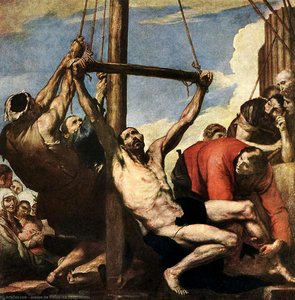
Jusepe de Ribera's "Saint Peter and Saint Paul," painted circa 1630, is not merely a portrait; it’s a profound meditation on faith, mortality, and the enduring legacy of two pivotal figures in Christianity. Born in Xàtiva, Spain, in 1591, Jusepe de Ribera, or “Lo Spagnoletto” as he was known, forged a distinctive artistic path marked by dramatic chiaroscuro – an intense contrast between light and dark – and a brutally honest depiction of the human form. His time spent in Naples, under Spanish rule, profoundly shaped his style, imbuing it with a sense of gravitas and a fascination with religious subjects often rendered with unflinching realism.
The painting immediately commands attention through its masterful use of light. Ribera doesn’t shy away from the shadows; instead, he employs them to sculpt the figures, creating an almost sculptural quality. The deep, velvety blacks that envelop Peter and Paul are punctuated by shafts of brilliant illumination, highlighting their faces, hands, and the folds of their garments. This dramatic lighting isn't simply aesthetic; it serves to emphasize the spiritual weight of the scene, suggesting a divine presence casting its gaze upon these two venerable apostles.
The Figures: Dignity in Decay
Ribera’s depiction of Saint Peter and Saint Paul is remarkably unconventional for his time. Rather than presenting them as idealized saints radiating youthful beauty, he portrays them as men nearing the end of their lives – weathered, aged, and bearing the marks of earthly experience. Peter's face is lined with wrinkles, his beard thick and graying; Paul’s features are etched with a quiet sorrow. This deliberate choice to depict aging isn’t meant to diminish their importance but rather to underscore the universality of human suffering and the enduring power of faith in the face of mortality. The figures aren’t presented as triumphant heroes, but as men wrestling with doubt and seeking solace in their shared devotion.
Notice the subtle details: Peter holds a book open before him, suggesting his role as an interpreter of scripture; Paul clutches a scroll, perhaps representing his writings and teachings. Their hands are clasped together, symbolizing unity and fellowship within the Christian community. The posture of both men is one of quiet contemplation, inviting the viewer to join them in their silent dialogue with God.
Baroque Drama and Neapolitan Influence
“Saint Peter and Saint Paul” firmly establishes Ribera’s place within the Baroque movement, a period characterized by dramatic intensity, emotional depth, and an embrace of theatricality. His style was heavily influenced by Caravaggio, with whom he worked in Naples, adopting his signature use of tenebrism – extreme contrasts between light and dark – to create powerful visual effects. However, Ribera’s work possesses a unique character, rooted in the Spanish tradition of religious painting and infused with the gritty realism of life in Naples.
The background is deliberately indistinct, contributing to the overall sense of drama and focusing attention on the central figures. The muted colors – browns, grays, and ochres – further enhance the somber mood of the scene. Ribera’s meticulous attention to detail, particularly in rendering the textures of fabric and skin, adds a remarkable level of realism to the painting.
Symbolism and Spiritual Resonance
Beyond its technical brilliance, “Saint Peter and Saint Paul” is rich in symbolic meaning. The apostles' shared devotion represents the core tenets of Christianity – faith, hope, and charity. Their presence together speaks to the enduring power of community and the importance of mutual support in times of hardship. The painting serves as a poignant reminder that even in old age, faith can offer solace and guidance. It’s a testament to Ribera's ability to capture not just physical likeness but also the profound spiritual essence of his subjects.
Today, “Saint Peter and Saint Paul” remains a powerful and evocative work of art, captivating viewers with its dramatic lighting, realistic portrayal of aging, and enduring message of faith. It’s a piece that invites contemplation and offers a glimpse into the heart of the Baroque era – a time when artists sought to capture not only the beauty of the world but also the complexities of the human spirit.
Otázky a odpovědi
Jak je utkaná barevná kompozice díla „Saint Peter and Saint Paul“ od Jusepe de Ribera?
V díle "Saint Peter and Saint Paul" se Gentle kontrast snoubí s Strong Color Unity harmonií.
Jaká barevná paleta je použita v díle „Saint Peter and Saint Paul“ od Jusepe de Ribera?
Dílo „Saint Peter and Saint Paul“ od Jusepe de Ribera využívá Earthy barevnou paletu, která definuje celkový barevný charakter celé práce.
Mohu si prohlédnout rentgenový snímek díla „Saint Peter and Saint Paul“ od Jusepe de Ribera?
X-ray pohled na dílo „Saint Peter and Saint Paul“ od Jusepe de Ribera naleznete na stránce Rentgenové snímky: jde o interaktivní prohlídku obrazu skrze jedenáct optických vrstev.
Biografie umělce
A Life Forged in Shadow and Light
Jusepe de Ribera, známý také jako Lo Spagnoletto – „Španělský malíř“ – byl obdivuhodná postava barokní éry, umělec, jehož plátna pulzovala dramatickou intenzitou a neochvějnou realističností. Narodil se v Xativě, Španělsku, v roce 1591, a jeho cesta ho odvedla daleko od jeho valencijských kořenů, nakonec ho etablovala jako jednoho z nejvýznamnějších malířů 17. století v Neapoli, městě pod španělskou nadvládou. Riberův život nebyl jen kronikou uměleckého vývoje; byl to příběh tkáný útrapami, ambicemi a neochvějným závazkem k zobrazení lidského stavu ve všech jeho surových podobách. Zatímco rané biografie zůstávají částečně zahalené v záhadě, víme, že se usadil v Itálii kolem roku 1607, nejprve v Římě a poté se v roce 1616 přesunul do Neapole – města, které se stalo jak jeho uměleckým domovem, tak pevnou zkouškou pro jeho jedinečný styl. Jeho sňatek s Caterinou Azzolino, dcerou místního malíře, dále upevnil jeho vazby na neapolské umělecké prostředí, což mu umožnilo rozkvétat v jeho živém, a přesto často turbulentním, atmosféře.The Embrace of Tenebrism and Realist Vision
Riberův umělecký výcvik byl hluboce ovlivněn proudícími silami italského malířství. Vliv Caravaggia je nepopiratelný; Ribera absorboval revolucionární použití tenebrismu – dramatické hry světla a stínu – k vytvoření scén nabitých emocionální mocí. Nicméně, nevymohl si jen kopii. Syntetizoval tuto techniku s prvky získanými od jiných mistrů, jako byl Guido Reni, a integroval klasickou citlivost do svých kompozic při zachování visceralního dopadu Caravaggiovy realismu. Tato fúze vedla k stylu jedinečnému pro něj: charakterizovanému ostrými kontrasty, intenzivně zaměřenými postavami a téměř brutální upřímností v zobrazení lidského utrpení a duchovní extáze. Jeho rané dílo, jako je Martýrium svatého Bartoloměje, ukázalo tento přístup – děsivé zobrazení bolesti, vykreslené s neochvějným detailem. Nevzdával se zobrazovat fyzické reality martýrie, zkroucené těla, napjaté svaly, samotnou texturu kůže a kostí. Tento závazek k realističnosti se rozšiřoval i mimo náboženské motivy; jeho portréty chudých lidí a obyčejných občanů, často zobrazující je jako filozofy nebo svatce, byl v té době průlomový a povýšil marginalizované skupiny na úroveň důstojnosti a významu, kterou si dosud v umění nezahrnovaly.A Career Across Genres and Evolving Styles
Riberův umělecký rozsah byl pozoruhodně rozmanitý. Zatímco je nejvíce známý pro své náboženské obrazy – scény martýrie, zobrazení svatých a dramatické biblické příběhy – vynikal také v portrétu, krajině a životopiscích. Jeho *Svatý Jeroným čtoucí Písmo* ukazuje měkčí, kontemplativnější stranu jeho uměleckého projevu, přestože si zachoval charakteristické dramatické osvětlení, které definuje jeho dílo. Během své kariéry procházel Ribera subtilními, ale významnými evolucemi svého stylu. Jeho rané obrazy jsou charakterizovány téměř austerálním realismem a ostrým používáním tenebrismu. Jak s postupoval, zejména po pevně zakotvení v Neapoli, jeho paleta se stala bohatší, jeho kompozice složitější a jeho osvětlení mírnější. Nicméně, základní prvky jeho barokního estetiky – emocionální intenzitu, dramatické příběhy a neochvějný závazek k zobrazení lidského zážitku s upřímností – zůstaly konstantní. Byl mistrem řemesla, schopným vykreslit textury s úžasnou přesností, od hrubé látky šatů chudého člověka až po hladkou pokožku mladistvého svátce.Influences and Key Works
Ribera byl ovlivněn mnoha umělci a styly. Kromě Caravaggia se inspirací dobil od mistrů jako Jacopo Tintoretto, který mu pomohl rozvíjet jeho dramatické kompozice a použití světla a stínu. Jeho práce také vykazuje vliv italského renesansu, zejména v jeho důrazu na anatomickou přesnost a detail. Mezi Riberovy klíčové dílo patří *Martýrium svatého Bartoloměje*, *Svatý Jeroným čtoucí Písmo*, *Drunken Silenus* (Silenus u vína) a řada portrétů, které zobrazují chudé a marginalizované. Jeho práce často zobrazuje lidské utrpení s brutalitou a upřímností, ale také duchovní extázi a naději.Legacy and Lasting Influence
Jusepe de Ribera's dopad na umělecký svět přesáhl jeho neapolskou dílnu. Stal se klíčovou postavou španělského barokního malířství, vedle mistrů jako Velázquez, Zurbarán a Murillo. Jeho inovativní použití tenebrismu a neochvějná realističnost ovlivnila generace umělců v celé Evropě. Jeho práce rezonovala s těmi, kteří se snažili odtrhnout se od idealizovaných forem renesančního umění a přijmout silnější, emocionálně nabitou estetiku. Jeho dílo je dodnes vystavováno v předních muzeích po celém světě – v Prado v Madridu, v Národní galerii umění ve Washingtonu D.C. a mnoha institucích v Evropě – zajišťuje, že jeho dědictví bude inspirovat a okouzluje publikum i nadále po staletí. Je to svědectví o síle umění konfrontovat obtížné pravdy, prozkoumat hloubky lidského cítění a osvětlit trvalý duch víry a odolnosti.
Jusepe de Ribera
1591 - 1652 , Španělsko
Rychlé informace o umělci
- Artistic Movement Or Style: Baroko
- Artists Or Movements Influenced By This Artist:
- José de Ribera
- Evropské mistři
- Artists Who Influenced This Artist:
- Caravaggio
- Guido Reni
- Date Of Birth: 1591
- Date Of Death: 1652
- Full Name: Jusepe de Ribera
- Nationality: Španělský
- Notable Artworks:
- Martyrdom S. Bartoloměje
- Svatý Jeroným
- Place Of Birth: Xativa, Španělsko
Související články
The Golden Age Reforged: Dramatic Realism & Religious Zeal in Spanish Baroque Art
Explore the dramatic world of Spanish Baroque art! Discover masters like Zurbarán & the powerful influence of religious zeal on painting techniques – a guide for collectors and enthusiasts.

The Soul of Spain: A Curated Journey Through the Timeless Masterpieces of Legendary Spanish Painters
Immerse yourself in the profound legacy of Spanish Baroque art. From the spiritual intensity of Zurbarán to Goya’s emotive genius, explore museum-quality, hand-painted reproductions and bespoke commissions curated for the most discerning global collectors.
Juan de Valdés Leal: Baroque Realism, Memento Mori & Theatricality of Spanish Grief
Explore the powerful Baroque realism of Juan de Valdés Leal (1622-1690). Discover his somber masterpieces, iconic 'In Ictu Oculi', and profound explorations of mortality. Museum-quality reproductions available at OriginalUniqueArt.

Francisco Goya: 25 mistrovských děl španělského génia | OriginalUniqueArt.cz
Prozkoumejte 25 ikonických děl Francisca Goyi – od romantických portrétů po temné tiskoviny. Objevte příběhy, techniky a umělecký význam španělského mistra na OriginalUniqueArt.cz. Reprodukce obrazů pro váš interiér.
Jusepe de Ribera: Dramatic Realism & Spiritual Intensity in the Spanish Golden Age
Explore the powerful Baroque paintings of Jusepe de Ribera, master of tenebrism and dramatic realism. Discover his spiritual intensity, influence on Spanish art, and considerations for collectors. Expert insights at OriginalUniqueArt.