

 Náhled
 Sdílet
 Sdílet
 Podrobnosti o díle

 Stáhnout
 Podobné položky
 Rentgenové snímky
 Slideshow
Anson Phelps Stokes


 Zobrazit více
Giclée / Umělecký tisk
Giclée nebo plátěný tisk muzeální kvality s rychlou výrobou a flexibilními možnostmi povrchové úpravy. ( Koupit ručně malovaný obraz Koupit obrázek)




































Vyberte si z našich přednastavených velikostí, které odpovídají původním proporcím díla.

Můžete zadat vlastní rozměry tak, aby výtvor odpovídal konkrétnímu rámu nebo prostoru. Pokud zvolená velikost nebude odpovídat poměru stran původního obrazu, dílo buď ořížeme, nebo obraz rozšíříme pomocí zrcadlového efektu či jednobarevného okraje. Před zahájením výroby vám bude zaslán digitální náhled k schválení.
Mějte prosím na paměti, že náhled na obrazovce neodráží skutečné oříznutí nebo rozšíření. Pouze digitální náhled přesně zobrazí finální kompozici.
Ačkoliv jsou k dispozici i vlastní rozměry, pro zachování původních proporcí doporučujeme vybrat si rozměr z předdefinovaného seznamu.
Celosvětové doručení () do 2 týdnů namísto standardních 4/5 týdnů. (22 srpen)

Zdarma celosvětová expresní doprava

Vysoce kvalitní lněné plátno

Kompletní přepravní pojištění

Záruka vrácení celního poplatku

Záruka přesného barevného shodu

60denní lhůta pro vrácení zboží (pouze při vadách výroby)

100% garance vrácení peněz

Sleva při hromadné objednávce
 Skleněná varianta je dostupná pouze u rozměrů menších než 110 cm

Anson Phelps Stokes
Giclée / Umělecký tisk
Rozměry reprodukce
-


Celková cena za výběr
$ 80
Biografie umělce
Julius Rolshoven: A Life in Art
Early Life and Education
- Born: October 28, 1858, in Detroit, Michigan.
- Rolshoven’s artistic journey began with formal training at the Cooper Union Art School in New York City.
- He continued his studies abroad, first at the Düsseldorf Academy and then in Munich, seeking a rigorous academic foundation.
- A pivotal moment came when he studied under Frank Duveneck in Venice and Florence, becoming one of the esteemed “Duveneck Boys.” This experience profoundly shaped his artistic style and approach.
Artistic Development and Influences
- Duveneck’s Influence: Rolshoven absorbed Duveneck's emphasis on direct painting, realism, and a rejection of academic conventions. This influence is evident in his early portraits and genre scenes.
- Years spent in Paris and London broadened his exposure to diverse artistic trends, but he ultimately found himself drawn back to the Italian Renaissance tradition.
- His work reflects a blend of realism, impressionistic touches, and a keen eye for capturing character and atmosphere.
Life in Florence and “Castello del Diavolo”
- In 1902, Rolshoven made the significant decision to settle in Florence, Italy.
- Discovery of “Devil’s Castle”: In 1905, while painting outdoors, he stumbled upon a dilapidated castle known as "Castello del Diavolo" (Devil's Castle), belonging to the Talani family.
- Enthralled by its charm and history, Rolshoven purchased the property in 1907 and embarked on an extensive restoration project. The estate became his home and a source of inspiration for decades.
- The Italian government eventually recognized the Castello del Diavolo’s historical significance, designating it as a national monument, a testament to Rolshoven's dedication to its preservation.
Return to America and Southwestern Period
- The outbreak of World War I prompted Rolshoven’s return to the United States in 1915. He married Harriette Haynes Blazo in Los Angeles.
- Santa Fe and the Taos Society: By 1916, he had established a studio in Santa Fe, New Mexico, at the Governor’s Palace.
- He became an early member of the prestigious Taos Society of Artists, contributing to the burgeoning art scene in the American Southwest.
- His Southwestern landscapes and depictions of Native American life reflect his adaptation to a new environment while maintaining his distinctive artistic style.
Later Life and Legacy
- From 1920 until his death, Rolshoven divided his time between Florence, Detroit, and Santa Fe, reflecting his enduring connections to these places.
- Death at Sea: He passed away on December 8, 1930, while traveling by ship across the Atlantic Ocean.
- His widow, Harriette Haynes Blazo Rolshoven, generously donated a substantial sum and twenty of his artworks to the University of New Mexico in 1957, ensuring his legacy would be preserved and appreciated for generations to come.
- Rolshoven’s work offers a glimpse into a cosmopolitan life, bridging European traditions with American landscapes and cultural encounters. His paintings continue to captivate viewers with their realism, sensitivity, and historical resonance.

Julius Rolshoven
1858 - 1930 , United States of America
Rychlé fakta
- Birth Date: 1858-10-28
- Birth Place: Detroit, Michigan, USA
- Death Date: 1930-12-08
- Influenced By: Frank Duveneck
- Movement: Duveneck school
- Name: Julius Rolshoven
- Nationality: American
- Notable Works:
- Indian Market
- Anson Phelps Stokes
- Donna Tosca
- The Etruscan Girl
- By the Well, Florence
Související články

The Enduring Legacy of Oil on Canvas: Technique, History & Aesthetic Impact
Explore the rich history & techniques of oil painting – from Renaissance masters to Impressionism. Discover pigments, layering methods, and why this timeless medium endures. Expert insights for artists & art enthusiasts.

Oil on Canvas: A Historical & Technical Exploration of a Timeless Artistic Medium
Explore the rich history & enduring techniques of oil painting on canvas. Discover the science behind its longevity, conservation practices, and contemporary relevance. Expert insights for art enthusiasts.

The Enduring Power of Painting: A Historical & Contemporary Exploration of Form and Emotion
Explore the rich history & enduring techniques of oil painting with OriginalUniqueArt. Discover masterpieces, learn about art collecting, and find authentic handmade reproductions crafted by skilled artists.
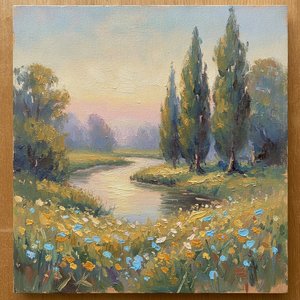
The Timeless Charm of Oil on Board: Reimagining Texture and Light through the Impressionist Lens
Discover the profound intimacy of oil on panel. Explore how Impressionist masters used rigid supports to capture light, texture, and impasto depth through exquisite, handmade oil reproductions for discerning collectors.

Trvalý odkaz olejomalby: Technika, historie a současná praxe
Prozkoumejte historii a techniky olejomalby s námi! Od středověku po současnost – detailní průvodce pro milovníky umění a profesionály. Objevte tajemství mistrů a inspirujte se.

