
 Náhled
 Sdílet
 Sdílet
 Podrobnosti o díle

 Stáhnout
 Podobné položky
 Rentgenové snímky
 Slideshow
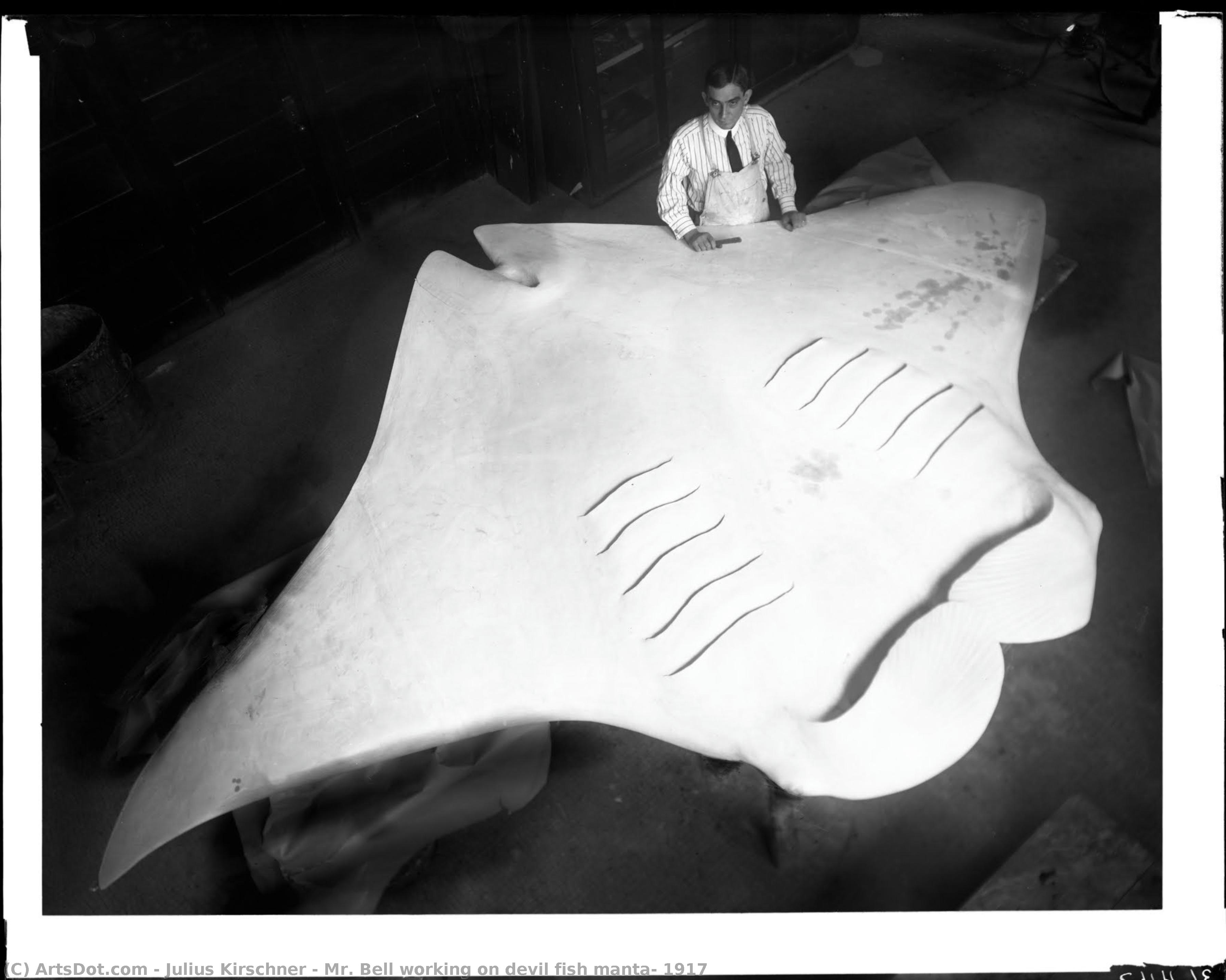
Mr. Bell working on devil fish manta, 1917

 Zobrazit více
Giclée / Umělecký tisk
Giclée nebo plátěný tisk muzeální kvality s rychlou výrobou a flexibilními možnostmi povrchové úpravy. ( Koupit ručně malovaný obraz Koupit obrázek)




































Vyberte si z našich přednastavených velikostí, které odpovídají původním proporcím díla.

Můžete zadat vlastní rozměry tak, aby výtvor odpovídal konkrétnímu rámu nebo prostoru. Pokud zvolená velikost nebude odpovídat poměru stran původního obrazu, dílo buď ořížeme, nebo obraz rozšíříme pomocí zrcadlového efektu či jednobarevného okraje. Před zahájením výroby vám bude zaslán digitální náhled k schválení.
Mějte prosím na paměti, že náhled na obrazovce neodráží skutečné oříznutí nebo rozšíření. Pouze digitální náhled přesně zobrazí finální kompozici.
Ačkoliv jsou k dispozici i vlastní rozměry, pro zachování původních proporcí doporučujeme vybrat si rozměr z předdefinovaného seznamu.
Celosvětové doručení () do 2 týdnů namísto standardních 4/5 týdnů. (15 srpen)

Zdarma celosvětová expresní doprava

Vysoce kvalitní lněné plátno

Kompletní přepravní pojištění

Záruka vrácení celního poplatku

Záruka přesného barevného shodu

60denní lhůta pro vrácení zboží (pouze při vadách výroby)

100% garance vrácení peněz

Sleva při hromadné objednávce
 Skleněná varianta je dostupná pouze u rozměrů menších než 110 cm

Mr. Bell working on devil fish manta, 1917
Giclée / Umělecký tisk
Rozměry reprodukce
-


Celková cena za výběr
$ 80
Biografie umělce
Julius Mordecai Kirschner: Pioneer of Atmospheric Light and Model Construction
Julius Mordecai Kirschner (1876 – 1953) stands as a singular figure in American art history, recognized primarily for his groundbreaking approach to model construction—specifically, meticulously crafted representations of natural phenomena like giant sequoias and manta rays. While overshadowed by the Impressionist movement’s more celebrated luminaries, Kirschner's dedication to scientific observation combined with artistic sensitivity yielded works that continue to fascinate scholars and collectors alike.
Born in Brooklyn, New York, Kirschner pursued a formal education at Pratt Institute, honing his skills in architectural drafting before embarking on a career as an illustrator. However, it was his fascination with the natural world—fueled by expeditions to Yosemite National Park—that irrevocably shaped his artistic vision. Unlike many of his contemporaries who sought solely to capture fleeting impressions of light and color, Kirschner meticulously documented subjects through detailed drawings and, crucially, painstakingly constructed models that aimed to recreate their essence.
- Early Influences: Kirschner’s formative years were marked by exposure to the works of Gustave Dore and Alexandre Cabanel, artists whose dramatic compositions instilled in him a profound appreciation for narrative storytelling and sculptural form.
- Yosemite Expeditions (1908-1917): These expeditions proved pivotal in establishing Kirschner’s distinctive technique. He painstakingly recreated the colossal sequoias of Yosemite using plaster, burlap, and pigment—a process that demanded immense patience and precision. The resulting models weren't merely reproductions; they were attempts to convey the grandeur and complexity of these ancient trees.
- Devil Fish Manta Model Construction: Kirschner’s most ambitious project involved recreating a manta ray specimen brought back from Hawaii. This undertaking showcased his mastery of model construction, demonstrating an unparalleled understanding of anatomy and texture. The meticulous detail captured in this model—particularly the movement of the pectoral fins—became emblematic of Kirschner's artistic philosophy.
Kirschner’s work transcended mere technical accomplishment; it embodied a humanist impulse to engage with the natural world on an intellectual and emotional level. He believed that art could illuminate scientific truths while simultaneously inspiring awe and wonder. His models served as invaluable tools for disseminating knowledge about botany and zoology, contributing significantly to the burgeoning field of paleontology.
Despite facing challenges during the Great Depression, Kirschner continued his artistic pursuits until his death in 1953. Today, his monumental model constructions—particularly ‘Devil Fish Manta’ and ‘Giant Sequoia’—remain treasured artifacts of American art history, representing a unique synthesis of scientific observation and artistic expression.

julius kirschner
United States of America
Rychlé fakta
- Artistic Movement Or Style: Early American Impressionism
- Date Of Death: Living
- Full Name: Julius Mordecai Kirschner
- Nationality: American
- Notable Artworks:
- Devil Fish Manta
- Giant Sequoia
- Place Of Birth: United States

