

 Zobrazit v interiéru
 Odeslat
 Sdílet
 Podrobnosti
 Průvodce

 Stáhnout obrázek
 Podobné kousky
 Rentgenové snímky
 Slideshow
 Statistiky
Harvesters

 Přečíst si více
Ručně malovaná olejová reprodukce
Ručně malované olejné plátno v libovolném rozměru i s rámem, vyrobené našimi umělci na zakázku. ( Přepnout na tiskové verze Přepnout na digitální verzi obrazu)




































Vyberte si z našich přednastavených velikostí, které odpovídají původním proporcím díla.

Zadejte šířku a výšku, které potřebujete pro váš rám nebo stěnu. Protože se jedná o ruční malbu, při výběru jiného formátu může umělec kolem obrazu domalovat o něco více, nebo jej mírně oříznout — rozhodnete si vy. Před zahájením malby vám zašleme digitální náhled ke schválení. Obraz zobrazený na této stránce neodpovídá skutečnému výsledku — pouze digitální náhled jej zobrazuje.
Po přijetí objednávky vám tým OriginalUniqueArt.com zašle e-mail s pokyny a poskytne náhledovou verzi.
Celosvětová doprava () za 3–4 týdny namísto standardních 5 týdnů. (22 říjen). Bez kompromisů v kvalitě.

Zdarma celosvětová expresní doprava

Vysoce kvalitní lněné plátno

Úplné pojištění přepravy

Záruka vrácení celního poplatku

Záruka věrného barevného shodu

100dení lhůta pro vrácení zboží (pouze při vadách výroby)

100% garance vrácení peněz

Sleva při více objednávkách
 Skleněná varianta je dostupná pouze u rozměrů menších než 110 cm

Harvesters
Technika provedení
Velikost reprodukce
-


Celková cena
Kč 6958
Biografie umělce
A Life Rooted in the French Countryside
Julien Dupré, born in Paris on March 18, 1851, was an artist whose life and work became inextricably linked to the rural heartland of France. His story is one of unexpected turns, shaped by historical events and a deep-seated connection to the land and its people. Initially destined for his family’s jewelry business – his father, Jean Dupré, was a jeweler, and he began an apprenticeship in lacemaking – fate intervened with the outbreak of the Franco-Prussian War in 1870. The closure of the lace shop during the siege of Paris provided an unforeseen opportunity for young Julien to pursue his artistic inclinations. He enrolled in evening classes at the École des Arts Décoratifs, a pivotal step that ultimately led him to the prestigious École des Beaux-Arts where he studied under Isidore Pils and Henri Lehmann. This formal training laid the foundation for his meticulous technique and academic approach, yet it was an encounter with a different kind of mentorship that truly defined his artistic path.The Influence of Laugée and the Embrace of Realism
A transformative period in Dupré’s development came with his travels to Picardy in the mid-1870s, where he became a student of Désiré François Laugée, a celebrated painter of rural genre scenes. This mentorship proved profoundly influential, shaping both his subject matter and artistic style. In 1876, a year marked by personal happiness – his marriage to Marie Eléonore Françoise Laugée, his mentor’s daughter – he exhibited his first painting at the Paris Salon, signaling his arrival on the art scene. Dupré's artistic vision was firmly rooted in Realism, an aesthetic movement that sought to depict everyday life with accuracy and sincerity. He wasn’t merely recording what he saw; he was imbuing it with a sense of dignity and respect for the lives of those who labored on the land. The influence of Jean-François Millet is palpable in his work, sharing a similar commitment to portraying peasant life not as idyllic fantasy but as a reality marked by both hardship and quiet beauty.Themes of Rural Life and Artistic Style
Throughout his career, Julien Dupré championed the lives of peasants and rural communities, becoming known for his evocative depictions of agricultural scenes in Normandy and Brittany. His paintings are characterized by their idyllic yet honest portrayals of farmers working in fields, tending to livestock, and engaging in the rhythms of daily life. He masterfully captured the beauty of the French countryside – the golden hues of ripening wheat, the soft light filtering through trees, the textures of earth and foliage. His style is often described as Academic Realism, a blend of meticulous detail, naturalistic lighting, and harmonious compositions. There’s a sense of tranquility that pervades his work, a reverence for the land and its people that invites viewers to pause and contemplate the simple beauty of rural existence. He wasn't interested in grand narratives or dramatic events; instead, he found poetry in the ordinary, elevating the everyday experiences of agricultural life to the realm of art.Recognition and Legacy
Dupré consistently exhibited at the Paris Salon throughout his career, gaining recognition for his evocative depictions of rural life. Paintings such as The Harvester, Stacking Grain Sheaves, and The Watering Hole became emblematic of his style and subject matter. While he didn’t achieve widespread international fame during his lifetime, his work resonated with art collectors and critics who appreciated his ability to capture the essence of peasant life with both realism and poetic sensibility. His paintings offer valuable insights into the social and economic conditions of rural France in the late 19th century, serving as a testament to the enduring beauty of the countryside and the dignity of agricultural labor. His legacy continues through his paintings, which are now held in numerous museums and private collections, offering future generations a glimpse into a bygone era. He contributed significantly to the Realist movement, providing a nuanced and sympathetic portrayal of peasant life that resonated with audiences seeking authenticity and emotional depth. Julien Dupré passed away on April 16, 1910, leaving behind a body of work that continues to celebrate the beauty and simplicity of rural French life.
Julien Dupré
1851 - 1910 , France
Rychlé informace
- Full Name: Julien Dupré
- Nationality: French
- Date Of Birth: 1851
- Date Of Death: 1910
- Place Of Birth: Paris, France
- Notable Artworks:
- The Harvester
- Harvesters
- Stacking Grain Sheaves
- Artistic Movement Or Style: Realism, Academic painting
- Artists Who Influenced This Artist:
- Jean-François Millet
- Désiré François Laugée
Související články

Jean-François Millet: Realism, Rural Life & the Poetic Depiction of Labor
Explore the life & work of Jean-François Millet, a founder of Realism. Discover his poignant depictions of rural France, iconic paintings like 'The Angelus,' and lasting influence on art history. Learn more at OriginalUniqueArt.

Echoes of Rural Life: Nostalgia, Labor & Identity in Art History
Explore the rich history of rural life in art! Discover how Realism captured labor & identity through masterpieces by Van Gogh, Millet & more. Expert analysis for collectors and enthusiasts.

The Evocative Embrace of Reality: Exploring Romantic Realism in 19th-Century Painting
Explore the captivating world of Romantic Realism! Discover key artists like Courbet & Millet, masterpieces, and the social context behind this influential art movement. Expert insights for collectors at OriginalUniqueArt.
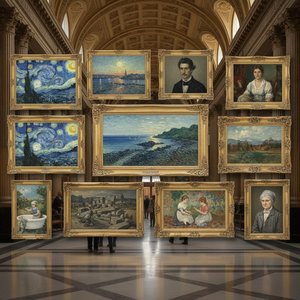
19. století v umění: Top 10 děl a jejich příběhy | OriginalUniqueArt
Prozkoumejte 10 ikonických děl 19. století – od romantismu po impresionismus! Obrazy Courbeta, Moneta a dalších mistrů s příběhy a technikami. Najděte inspiraci pro váš interiér a kvalitní reprodukce na OriginalUniqueArt.com.

Romantic Realism's Finest: 10 Masterpieces for Your Home | OriginalUniqueArt
Explore 10 defining masterpieces of Romantic Realism! Discover Courbet, Millet & Daumier's powerful paintings—capturing emotion and social realities. Find museum-quality reproductions for your home at OriginalUniqueArt.com.