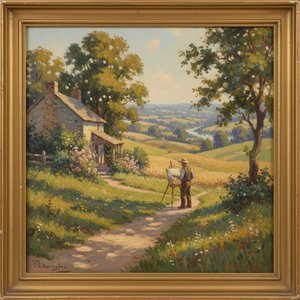
Ručně malovaná olejová reprodukce
Ručně malovaná olejná barva na plátně ve vašem zvoleném rozměru i s rámem, vyrobená našimi umělci na zakázku. ( Přepnout na tisk
Přepnout na obrázek)
P118B $10
P118H $10
P118W $10
P438Z $10
P508JH $12
P508YH $12
P805H $10
P805Z $10
P919BZ $10
P919G $10
P919XJ $10
P959ZH $10
P968JZ $12
W106C $8
W218G $10
W218JH $8
W218Y $10
W307PJ $10
W316G $10
W316PJ $8
W316Y $10
W398PJ $8
W4111J $10
W500HY $15
W500JH $15
W692G $12
W849H $8
W940BG $15
W953PJ $8
Vyberte si z našich přednastavených velikostí, které odpovídají původním proporcím díla.
Můžete zadat vlastní rozměry pro konkrétní rám nebo prostor. Pokud se vámi vybraná velikost neshoduje s proporcemi původního obrazu, dílo buď ořízneme, nebo jej doplníme ručně malovanými prvky. Před zahájením výroby vám bude zaslán digitální náhled ke schválení.
Upozorňujeme, že náhled na obrazovce neodpovídá skutečnému ořezu ani rozšíření. Pouze digitální náhled přesně zobrazí finální kompozici.
Ačkoliv je možné zvolit vlastní velikost, pro zachování původních proporcí doporučujeme vybrat rozměr z předdefinovaného seznamu.
Po přijetí objednávky vám tým OriginalUniqueArt.com zašle e-mail s pokyny a poskytne náhledovou verzi.
Celosvětová doprava () za 3–4 týdny namísto standardních 5 týdnů. (5 srpen). Bez kompromisů v kvalitě.
Zdarma celosvětová expresní doprava
Vysoce kvalitní lněné plátno
Kompletní přepravní pojištění
Záruka vrácení celního poplatku
Záruka přesného barevného shodu
60denní lhůta pro vrácení zboží (pouze při vadách výroby)
100% garance vrácení peněz
Sleva při hromadné objednávce
None
Technika reprodukce
Rozměry reprodukce
-
Celková cena za výběr
$ 300
Popis díla
A Soldier’s Salute: Jules Chéret's “Join the Army”
Jules Chéret’s 1918 painting, "Join the Army," is more than just a recruitment poster; it’s a vibrant snapshot of a pivotal moment in American history and a testament to the artist’s groundbreaking approach to commercial art. Captured at the National WWI Museum and Memorial in Kansas City, this work immediately draws the eye with its bold colors, dynamic composition, and the confident posture of the young soldier. It's a piece that speaks volumes about patriotism, duty, and the burgeoning spirit of modernity during a time of immense global upheaval.
The Artist and His Time: Chéret’s Parisian Innovation
Jules Chéret (1836-1932) emerged as a leading figure in the Belle Époque, a period of unprecedented artistic and cultural flourishing in Paris. Unlike many artists of his era who adhered strictly to academic traditions, Chéret embraced a more pragmatic approach, initially apprenticed to a lithographer and later developing his distinctive style through experimentation with color printing techniques. His early work focused on advertising posters for Parisian theaters and businesses – a burgeoning industry at the time. He quickly recognized the potential of the poster as a powerful medium for communication, moving beyond simple announcements to create visually arresting images that captured the essence of their subject. This shift towards graphic design, prioritizing clarity and impact over elaborate detail, was revolutionary for its time.
A Study in Composition and Color: Decoding the Image
The painting’s composition is remarkably effective. The soldier, rendered with a youthful energy and a direct gaze, dominates the foreground, his posture radiating confidence and resolve. He holds a bugle aloft, poised to salute the American flag that billows proudly behind him – a potent symbol of national identity and sacrifice. Chéret's use of color is equally striking; vibrant reds, blues, and yellows create a sense of dynamism and excitement, while the stark black lettering of “Join the Army” commands immediate attention. The background is deliberately simplified, focusing the viewer’s eye on the central figure and his symbolic gesture. Notice how Chéret utilizes loose brushstrokes and a slightly flattened perspective – a characteristic of his style that lends the image an immediacy and vitality.
Symbolism and Context: A Call to Service in Wartime
“Join the Army” is deeply rooted in the context of World War I. The United States’ entry into the conflict in 1917 created a massive demand for recruits, and posters like this were instrumental in mobilizing public support. The soldier's youthful appearance was deliberately chosen to appeal to young men eager to prove themselves. The flag itself represents not just patriotism but also the ideals of freedom and democracy that America sought to defend abroad. The bugle’s call is a direct invitation – a summons to duty and service. Beyond its immediate purpose as a recruitment tool, the painting embodies the romanticized notion of war as a noble endeavor, a sacrifice for a greater cause. It's important to remember this was created during a time when public perception of war was often idealized.
Collecting and Displaying: Bringing Chéret’s Vision Home
Reproductions of “Join the Army” offer a captivating glimpse into a pivotal moment in American history. Whether displayed as a statement piece in a study or incorporated into a broader collection of WWI memorabilia, this artwork evokes a powerful sense of patriotism and historical significance. The bold colors and dynamic composition make it an ideal choice for interior designers seeking to inject energy and visual interest into any space. Consider framing the reproduction in a vintage-inspired frame to further enhance its connection to the era. This piece is more than just decoration; it’s a conversation starter, a reminder of the sacrifices made by generations past, and a testament to the enduring power of art to shape public opinion.
Biografie umělce
Jules Chéret (1836-1932): The ‘Father of the Modern Poster’!
Jules Chéret, a name synonymous with the vibrant spirit of Paris during the *Belle Époque*, wasn’t merely an artist; he was a revolutionary. Born in 1836 to a family of artisans in Paris, his journey from humble beginnings to becoming “the father of the modern poster” is a testament to his innovative spirit and artistic vision. Unlike many artists constrained by formal academic training, Chéret's early education was practical – an apprenticeship with a lithographer at the age of thirteen ignited a passion that would redefine commercial art. This initial exposure wasn’t simply about learning a trade; it was an immersion into the possibilities of mass communication and visual persuasion. He honed his skills further with studies at the École Nationale de Dessin, absorbing the artistic currents of Paris, but it was his six years in London, from 1859 to 1866, that proved pivotal. There, he encountered a British poster aesthetic focused on clarity and impact, techniques he would later synthesize with his own uniquely French sensibility.Early Life & Artistic Training
Jules Chéret’s formative years instilled in him a deep appreciation for craftsmanship and observation—skills crucial to his future success as an artist. His apprenticeship at a lithography workshop provided invaluable experience in mastering the printing process, allowing him to experiment with color and texture before he even began formal artistic studies. These early explorations foreshadowed his distinctive style, characterized by bold lines, vibrant hues, and a masterful manipulation of light and shadow. He attended École Nationale de Dessin, absorbing influences from Impressionism and Japonisme—movements that championed spontaneity and capturing fleeting moments in time. However, it was London’s visual culture that truly shaped his artistic sensibilities, exposing him to the streamlined aesthetic of British poster design and fostering a desire for innovation.A Career Dedicated to Parisian Spectacle
From 1866 onwards, Chéret dedicated himself wholeheartedly to documenting the dynamism of Paris—a city pulsating with energy and brimming with cultural attractions. He became the visual voice of its cabarets, music halls, and theaters, crafting posters that lured audiences into worlds of dazzling entertainment. His collaborations with venues like Eldorado, Olympia, Folies Bergère, Moulin Rouge, and Théâtre d’Opéra exemplify his artistic prowess—each advertisement a carefully constructed tableau designed to capture the essence of Parisian nightlife. But Chéret's talent extended beyond theatrical productions; he embraced commissions from diverse businesses – beverages, perfumes, soaps, cosmetics, even railroads – recognizing that art could elevate brands and engage consumers on an emotional level. He skillfully blended artistic finesse with commercial needs, creating images that were both captivating and informative.The Birth of the ‘Cherette’ & Artistic Innovation
Perhaps Chéret's most enduring contribution to visual culture was his creation of the “cherette”—a stylized depiction of a woman in profile, often adorned with flowers or feathers—that became synonymous with Parisian elegance during the *Belle Époque*. Unlike idealized portraits of women prevalent in earlier art, cherettes captured a sense of youthful vitality and independence, reflecting a burgeoning desire for freedom and self-expression. Chéret’s innovative approach to lithography—particularly his ability to achieve luminous colors using only three or four stones—revolutionized the printing process and established him as a pioneer of modern graphic design. He meticulously studied the techniques of Baroque painters like Tiepolo and Rococo masters Watteau and Fragonard, incorporating elements of their stylistic richness into his own distinctive visual language. This meticulous attention to detail—combined with his masterful use of color and composition—transformed commercial art into an aesthetically significant form.Legacy & Recognition
Chéret’s influence extended far beyond his individual artworks; he championed the cause of poster art, establishing *Maîtres de l'Affiche* in 1895—a groundbreaking publication featuring reproductions of works by ninety-seven Parisian artists—and securing a silver medal at the Universal Exposition of 1879 and a gold medal at the Exposition of 1889. His unwavering belief in artistic experimentation earned him the Légion d’honneur in 1890, recognizing his transformative role in elevating graphic arts to the status of fine art. He continued to produce prolifically until his death in Nice in 1932 at the remarkable age of ninety-six—leaving behind a vast oeuvre that continues to inspire artists and collectors alike. Jules Chéret’s legacy resides not only in his iconic posters but also in his unwavering commitment to artistic innovation and his profound understanding of how art could communicate emotion and capture the spirit of an era—solidifying his place as “the father of the modern poster” and a true visionary of *la belle époque*.Jules Chéret
1836 - 1932 , Francie
Rychlé fakta
- Artistic Movement Or Style: *Belle Époque*, Art Nouveau
- Artists Or Movements Influenced By This Artist:
- Henri de Toulouse-Lautrec
- Georges de Feure
- Artists Who Influenced This Artist:
- Antoine Watteau
- Jean-Honoré Fragonard
- Date Of Birth: 1836
- Full Name: Jules Chéret
- Nationality: Francouzský
- Notable Artworks:
- Pan poster
- Loie Fuller poster
- Place Of Birth: Paříž, Francie


Skleněná varianta je dostupná pouze u rozměrů menších než 110 cm