

 Náhled
 Sdílet
 Sdílet
 Podrobnosti o díle

 Stáhnout
 Podobné položky
 Rentgenové snímky
 Slideshow
 Statistiky
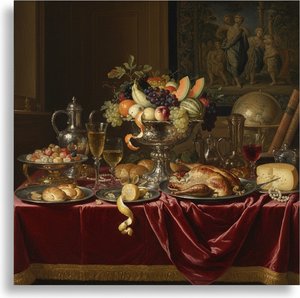
Serving Table


 Zobrazit více
Giclée / Umělecký tisk
Giclée nebo plátěný tisk muzeální kvality s rychlou výrobou a flexibilními možnostmi povrchové úpravy. ( Koupit ručně malovaný obraz Přepnout na digitální obraz)




































Vyberte si z našich přednastavených velikostí, které odpovídají původním proporcím díla.

Můžete zadat vlastní rozměry tak, aby výtvor odpovídal konkrétnímu rámu nebo prostoru. Pokud zvolená velikost nebude odpovídat poměru stran původního obrazu, dílo buď ořížeme, nebo obraz rozšíříme pomocí zrcadlového efektu či jednobarevného okraje. Před zahájením výroby vám bude zaslán digitální náhled k schválení.
Mějte prosím na paměti, že náhled na obrazovce neodráží skutečné oříznutí nebo rozšíření. Pouze digitální náhled přesně zobrazí finální kompozici.
Ačkoliv jsou k dispozici i vlastní rozměry, pro zachování původních proporcí doporučujeme vybrat si rozměr z předdefinovaného seznamu.
Celosvětové doručení () do 2 týdnů namísto standardních 4/5 týdnů. (9 září)

Zdarma celosvětová expresní doprava

Vysoce kvalitní lněné plátno

Kompletní přepravní pojištění

Záruka vrácení celního poplatku

Záruka přesného barevného shodu

100dená lhůta pro vrácení zboží (pouze při vadách)

100% garance vrácení peněz

Sleva při hromadné objednávce
 Skleněná varianta je dostupná pouze u rozměrů menších než 110 cm

Serving Table
Giclée / Umělecký tisk
Rozměry reprodukce
-


Celková cena za výběr
$ 80
Biografie umělce
The Architect of Stillness
In the vibrant, sun-drenched atmosphere of 17th-century Madrid, a new visual language was being forged, and at its heart stood Juan van der Hamen y León. While the era is often remembered for its grand religious epics and sweeping historical dramas, Van der Hamen achieved immortality through a much more intimate medium: the bodegón. During the 1620s, he emerged as a transformative figure, elevating the still life from simple culinary documentation to a sophisticated genre of profound symbolic depth and technical mastery. His ability to capture the quiet dignity of inanimate objects allowed him to command the attention of the Spanish crown, earning him prestigious positions as an unsalaried painter to the courts of both Philip III and Philip IV. Through his brush, the humble textures of everyday life were transformed into objects of royal contemplation.A Heritage of Precision and Versatility
The artist’s unique aesthetic was deeply rooted in a complex and rich lineage that blended Northern European precision with Spanish soul. Born in Madrid around 1596, he was the son of Jan van der Hamen, a Flemish courtier, and Dorotea Witman Gómez de León, whose noble Toledan ancestry provided him with deep Spanish roots. This fusion of Flemish meticulousness and Spanish dramatic sensibility became the hallmark of his technique. While he is most celebrated for his still lifes, Van der Hamen was a remarkably versatile talent, refusing to be confined by a single subject matter. His prolific output spanned a wide array of disciplines, including:- Religious History Paintings created for the grand churches and convents of Spain.
- Landscapes and Portraits which demonstrated his command over light, atmosphere, and human character.
The Legacy of a Brief Brilliance
Despite the tragic brevity of his life, which ended in 1631 at the age of only thirty-five, Van der Hamen’s impact on the Spanish Baroque cannot be overstated. He did not merely paint objects; he orchestrated them. In his works, one finds a breathtaking interplay of light and shadow, where the delicate translucency of glassware meets the heavy, tactile reality of earthenware and ripe fruit. His mastery of texture and composition set a standard that would influence generations of Spanish painters to come. Though his career was a fleeting moment in history, the silent, beautiful worlds he created continue to resonate, offering a window into the refined elegance and profound stillness of a golden age in Spanish art. He remains a master who taught us that even in the most motionless subject, there is a life waiting to be discovered.
juan van der hamen y leon
1596 - 1631
Rychlé fakta
- Artistic Movement Or Style: Still life (Bodegones)
- Artists Or Movements Influenced By This Artist: Popularized Madrid still life
- Date Of Birth: 1596
- Date Of Death: 1631
- Full Name: Juan van der Hamen y León
- Nationality: Spanish
- Place Of Birth: Madrid, Spain
Související články
Abraham Hendricksz van Beyeren: Pioneering Dutch Still Life & the Banquet Tradition
Explore the captivating world of Dutch Golden Age still life with Abraham van Beyeren. Discover his innovative techniques, symbolic banquet scenes & lasting influence on art history. Learn about collecting these masterpieces.

Golden Age Reflections: Dutch Baroque Painting & Cultural Innovation
Explore the Dutch Golden Age of painting! Discover key artists like Vermeer & ter Borch, their innovative techniques, and the rich cultural context behind these Baroque masterpieces. Learn about collecting & appreciating this iconic art period.

Golden Light & Dutch Skies: The Timeless Magic of Dutch Golden Age Landscapes
Discover the breathtaking beauty of Dutch Golden Age landscapes. Explore the mastery of light, chiaroscuro, and 17th-century realism through an expert art history lens, celebrating the enduring legacy of the Dutch Masters for discerning collectors and art lovers.

Top 10 mistrovských děl holandského baroka – obrazy a umělci | OriginalUniqueArt.cz
Objevte 10 ikonických děl holandského baroka! Prozkoumejte příběhy Rembrandta, Vermeera a dalších mistrů. Repliky obrazů nejvyšší kvality pro váš interiér na OriginalUniqueArt.cz – inspirace a umělecké reprodukce online.

Zlatý věk nizozemského malířství: 10 mistrovských děl pro váš domov | OriginalUniqueArt.com
Prozkoumejte 10 ikonických děl nizozemského zlatého věku – Rembrandt, Vermeer a další mistři. Objevte příběhy za obrazy, techniky a inspiraci pro váš interiér s reprodukcemi nejvyšší kvality na OriginalUniqueArt.com.