

 Zobrazit v interiéru
 Odeslat
 Sdílet
 Podrobnosti
 Průvodce

 Stáhnout obrázek
 Podobné kousky
 Rentgenové snímky
 Slideshow
 Statistiky
The Merciful Christ


 Přečíst si více
Zakupte si digitální obraz ve vysokém rozlišení a vylepšeném provedení, který nabízí mnohem vyšší kvalitu než online náhled.
Každý soubor je pečlivě připraven našimi specialisty s využitím pokročilých nástrojů a odborné manuální retuše. Zajišťujeme, aby každý obraz disponoval výjimečnou ostrostí, přesnou barevnou věrností a jemnými detaily.
Finální soubor vám bude do 72 hodin zaslán e-mailem, optimalizovaný pro okamžité použití v profesionálním, redakčním i tiskovém prostředí. Nabízíme stejnou kvalitu, které důvěřují špičková designová studia, nakladatelství i galerie.
Digitální obrazy
Stáhněte si soubor ve vysokém rozlišení pro osobní prohlížení, tisk a kreativní projekty. ( Přepnout na tiskové verze Objednat ručně malovanou reprodukci)
Součást každé objednávky digitálního obrazu
Exponenciální digitální doručení, zaručené
Když si vyberete OriginalUniqueArt.com, nezískáváte pouze obrázek – získáváte digitální umělecké dílo s profesionálně vylepšenými detaily, zpracované s precizností a podpořené zárukou za spokojenost. Zde je vše, co vaše objednávka automaticky obsahuje:

Bleskové doručení e-mailem
Váš digitální obraz ve vysokém rozlišení vám bude zaslán e-mailem do 72 hodin od objednávky – připraven k okamžitému použití.

Digitální soubor s podporou AI
Vaše umělecké dílo je profesionálně optimalizováno pomocí pokročilých nástrojů umělé inteligence a manuální úpravy, což zajišťuje maximální úroveň detailu, ostrosti a přesnosti barev.

Doživotní bezplatné znovuodeslání
Soubor jste omylem smazali nebo ztratili? Žádný problém – kdykoliv vám ho znovu zašleme zcela zdarma.

Bez poplatků za dovoz – navždy
Užijte si své umělecké dílo okamžitě bez celních poplatků, daní nebo nákladů na dopravu – digitální stažení je vždy bez daňových povinností.

Záruka přesnosti barev
Díky profesionálním nástrojům a správě barev zajišťujeme, aby váš digitální obraz odrážel původní barvy co nejvěrněji.

100dená záruka spokojenosti
Pokud nebudete s digitálním obrázkem spokojeni, provedeme jeho revizi nebo vám vrátíme 100% platby do 100 dnů – bez jakýchkoliv dotazů.

100% záruka vrácení peněz
Nespokojeni? Získejte plnou náhradu peněz do 100 dnů od obdržení digitálního souboru – bez zbytečných dotazů.

Slevy při hromadných objednávkách
Při koupi 3 obrazů ušetříte 10% – Při koupi 5 obrazů ušetříte 15% – Při koupi 10+ obrazů ušetříte 20%. Ideální pro kreativní projekty, galerie a agentury.
Biografie umělce
Juan Martínez Montañés: The God of Wood
Juan Martínez Montañés (1568-1649) stands as a monumental figure in Spanish Baroque sculpture, earning the moniker “El Dios de la Madera” (“The God of Wood”) due to his unparalleled mastery of wood carving and polychromy—techniques that elevated it beyond mere craftsmanship into an art form itself. Born in Alcalá la Real, Jaén, Montañés’s formative years coincided with a period of artistic ferment in Seville, where he honed his skills under Pablo de Roxas before establishing a prolific workshop that would shape the visual landscape of Spain for decades to come. His legacy extends far beyond individual masterpieces; he fundamentally redefined Baroque aesthetics and profoundly influenced subsequent generations of sculptors.- Early Life & Training: Montañés’s artistic journey began in Granada, where he studied under Pablo de Roxas, absorbing the stylistic nuances of Mannerism while simultaneously embracing emerging Baroque principles. This dual influence would become a cornerstone of his distinctive artistic vision.
- Seville Workshop & Artistic Output: Montañés established a workshop in Seville around 1587, attracting talented assistants and producing an astonishing volume of sculptural works—estimated to be over 300 pieces—spanning altarpieces, funerary monuments, portraits, and decorative sculptures.
- Technique & Innovation: Montañés revolutionized wood sculpture through his innovative “encarnación” technique – a method of applying gesso (a plaster mixture) to wooden panels followed by meticulous polishing and gilding—creating surfaces that shimmered with gold leaf and achieved an astonishing level of realism.
Masterpieces & Notable Commissions
Montañés’s artistic reputation soared during his lifetime, fueled by commissions from prominent patrons and ecclesiastical institutions across Spain. His crowning achievement remains the Great Altar of St Jerome at San Isidoro del Campo near Seville (completed in 1613), a monumental testament to Baroque grandeur and considered one of the finest examples of polychromed wood sculpture ever created. This altar exemplifies Montañés’s meticulous attention to detail, dramatic lighting effects, and masterful use of color—characteristics that define his artistic style. Other significant commissions included altars at Santa Clara and San Miguel in Seville, as well as the Immaculate Conception and Christ Crucified for Seville Cathedral (1603), cementing his position as Seville's foremost sculptor. Notably, he undertook a portrait commission from Diego Velázquez, whose tutor had mentored him, resulting in an iconic depiction of Philip IV—a painting that captures not only royal likeness but also Montañés’s artistic sensibility and intellectual engagement.- The Great Altar of St Jerome: This masterpiece showcases Montañés's unparalleled skill in wood carving and polychromy, demonstrating his ability to convey emotion and spiritual depth through sculptural form.
- Cristo de la Clemencia: Commissioned in 1603, this sculpture exemplifies Montañés’s commitment to realism and dramatic composition—a hallmark of Baroque art.
- Philip IV Portrait by Velázquez: This portrait reflects Montañés's influence on Velázquez's artistic style and underscores the symbiotic relationship between two leading figures in Spanish Baroque culture.
Influence & Legacy
Juan Martínez Montañés’s impact extended beyond his own lifetime, shaping the artistic landscape of Spain and Latin America for centuries to come. His workshop produced a cadre of talented students who carried forward his stylistic innovations—particularly in wood carving and polychromy—establishing Seville as a center for Baroque sculpture. Furthermore, Montañés's meticulous realism and refined taste served as an inspiration for artists across Europe, influencing the development of sculptural techniques and aesthetic ideals. His enduring legacy resides not only in his monumental works but also in his contribution to the intellectual and artistic discourse of his era—a testament to his profound understanding of art history and his unwavering dedication to excellence.- Student Influence: Montañés’s workshop fostered a vibrant artistic community, nurturing the talents of Juan de Mesa y Velasco and Alonzo Martínez, who continued Montañés's stylistic traditions.
- European Impact: Montañés’s techniques and aesthetic sensibilities resonated throughout Europe, contributing to the broader evolution of Baroque sculpture across the continent.
Concluding Remarks
Juan Martínez Montañés remains an undisputed titan of Spanish Baroque art—a sculptor whose mastery of wood carving and polychromy elevated it to unparalleled heights of artistic achievement. His unwavering commitment to realism, combined with his impeccable taste and profound understanding of visual culture, secured his place as “El Dios de la Madera,” a title that encapsulates the essence of his extraordinary legacy and continues to inspire admiration for generations of art historians and enthusiasts alike.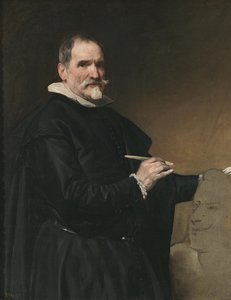
juan martínez montañés
1568 - 1649 , Spain
Rychlé informace
- Artistic Movement Or Style: Baroque art
- Artists Or Movements Influenced By This Artist: ['Diego Velázquez']
- Artists Who Influenced This Artist: ['Pablo de Roxas']
- Date Of Birth: March 16, 1568
- Date Of Death: June 18, 1649
- Full Name: Juan Martínez Montañés
- Nationality: Spanish
- Notable Artworks:
- The Great Altar of St Jerome at San Isidoro del Campo
- Cristo de la Clemencia
- Portrait of the Sculptor
- Place Of Birth: Alcalá la Real, Spain