
 Náhled v interiéru
 Sdílet
 Sdílet
 Podrobnosti o díle
 Průvodce

 Stáhnout
 Podobné položky
 Rentgenové snímky
 Slideshow
 Q&A
Q&A Statistiky
Pietà

- 161.0 x 144.0 cm


 Zobrazit více
Giclée / Umělecký tisk
Giclée nebo plátěný tisk muzeální kvality s rychlou výrobou a širokou nabídkou povrchových úprav. ( Koupit ručně malovaný obraz Přepnout na digitální obraz)




P118B Kč10

P118H Kč10

P118W Kč10

P438Z Kč10

P508JH Kč12

P508YH Kč12

P805H Kč10

P805Z Kč10

P919BZ Kč10

P919G Kč10

P919XJ Kč10

P959ZH Kč10

P968JZ Kč12

W106C Kč8

W218G Kč10

W218JH Kč8

W218Y Kč10

W307PJ Kč10

W316G Kč10

W316PJ Kč8

W316Y Kč10

W398PJ Kč8

W4111J Kč10

W500HY Kč15

W500JH Kč15

W692G Kč12

W849H Kč8

W940BG Kč15

W953PJ Kč8




Vyberte si z našich přednastavených velikostí, které odpovídají původním proporcím díla.

Zadejte šířku a výšku, které potřebujete pro váš rám nebo stěnu. Tisk lze pouze oříznout, nikdy však nelze zvětšit obraz nad jeho původní rozměr, proto při výběru jiného formátu dochází ke ztrátě části obrazu. Před samotným tiskem vám zašleme digitální náhled k schválení. Obraz zobrazený na této stránce nenabízí skutečný výřez — ten uvidíte pouze v náhledu.
Celosvětové doručení () do 2 týdnů namísto standardních 4/5 týdnů. (1 listopad)

Zdarma celosvětová expresní doprava

Vysoce kvalitní lněné plátno

Kompletní pojištění přepravy

Záruka vrácení celního poplatku

Záruka věrného barevného souladu

100dení lhůta pro vrácení zboží (pouze při vadách výroby)

100% záruka vrácení peněz

Sleva při více objednávkách
 Skleněná varianta je dostupná pouze u rozměrů menších než 110 cm

Pietà
Giclée / Umělecký tisk
Rozměry reprodukce
-


Celková cena za vybrané možnosti reprodukcí
Kč 1739
The Heart of Sorrow: An Exploration of Valdés Leal’s Pietà
Juan de Valdés Leal's 1657 “Pietà” is not merely a depiction of grief; it’s an immersion into the profound sorrow and spiritual weight of Christian iconography. Born in Seville during the height of the Spanish Baroque, Leal was deeply influenced by the traditions of theatrical sculpture, particularly the evocative “pasos”—elaborate processions featuring religious figures rendered with intense emotion—a practice common in Spain. This painting transcends simple representation, aiming instead to evoke a visceral response from the viewer, mirroring the agony of Mary Magdalene cradling the lifeless body of Christ.
The subject itself – the Pietà – has resonated through Western art for centuries. It’s a timeless image: the Virgin Mary, serene yet heartbroken, holding her son after his crucifixion. Leal masterfully captures this essence, moving beyond the idealized beauty often associated with depictions of the Madonna. Instead, we see a woman marked by sorrow, her expression a complex blend of grief and acceptance. The composition is deliberately tight, drawing our focus entirely to the central figures – a deliberate choice that intensifies the emotional impact. The diagonal line created by Christ’s body, sloping from left to right, guides the eye through the scene, mirroring the descent into despair.
Baroque Drama: Technique and Composition
Leal's mastery lies in his skillful deployment of Baroque techniques. The painting is dominated by *chiaroscuro*, a dramatic contrast between light and dark that sculpts the figures and imbues the scene with an almost theatrical quality. Light focuses intensely on Mary Magdalene and Christ’s body, casting deep shadows around them – these aren't merely stylistic choices; they symbolize the darkness of sin and suffering. The artist employs impasto—thickly applied paint—to create a richly textured surface, adding depth and physicality to the figures. Brushstrokes are bold and expressive, conveying movement and emotion with every mark.
The flattened perspective, characteristic of Baroque art, prioritizes emotional impact over strict realism. Leal doesn’t strive for photographic accuracy; instead, he uses color and form to create a heightened sense of drama and immediacy. The muted palette—primarily dark browns, reds, and blues—contributes to the somber atmosphere, reinforcing the theme of loss and mourning. The use of strong lines further emphasizes the dynamism of the scene, preventing it from feeling static or lifeless.
Symbolism and Spiritual Resonance
Beyond its visual power, the “Pietà” is rich in symbolism. The image directly references Christian iconography, but Leal imbues it with a distinctly Spanish sensibility. The gruesome details of Christ’s suffering—a hallmark of Spanish religious art—are not presented gratuitously; they serve to heighten the spiritual fervor and underscore the sacrifice made for humanity's salvation. Mary Magdalene’s posture – cradling the body with unwavering devotion – represents faith, loyalty, and acceptance of God’s will.
The scene as a whole speaks to universal themes of grief, loss, and redemption. It invites contemplation on mortality, suffering, and the enduring power of love and compassion. Leal's “Pietà” is more than just a religious painting; it’s a profound meditation on the human condition, rendered with breathtaking skill and emotional intensity.
Otázky a odpovědi
Jaká atmosféra je u díla „Pietà“ od Juan de Valdés Leal vyznávána?
Celková nálada díla „Pietà“ od Juan de Valdés Leal je Dramatic. Tato nálada vystihuje obecnou atmosféru tohoto díla.
Jak výrazný je kontrast v díle „Pietà“ od Juan de Valdés Leal?
„Pietà“ od Juan de Valdés Leal vykazuje Gentle kontrast mezi světlými a tmavými částmi.
Jakou paletu a jaká hlavní barva definují "Pietà"?
Dílo „Pietà“ od Juan de Valdés Leal využívá paletu Earthy, přičemž hlavní barvou je Gray (#938366).
Biografie umělce
mladost a výcvik
Juan de Valdés Leal, významný španělský malíř a rytíř, se narodil 4. května 1622 v Seville v Španělsku. Jeho umělecká dráha byla neuvěřitelně rozmanitá; nebyl pouze malířem, ale také sochařem a architektem, čímž projevil svou mimořádnou všestrannost v uměleckém světě. Již ve svých dvacátých letech procházel důkladným výcvukem pod vedením Antonia del Castillo v Córdobě, kde si v éře baroka precizně piloval své technické dovednosti.významná díla a spolupráce
Valdés Lealova tvorba zahrnuje několik zásadních děl, která patří k vrcholům jeho kariéry:- Příběh proroka Eliáše vytvořený pro kostel karmelitánů
- Mučednictví svatého Ondřeje pro kostel San Francesco v Córdobě
- Triumf kříže pro instituci La Caridad v Seville
osobní život a odkaz
V roce 1647 si Valdés Leal vzal Isabellu Carasquillu, která byla rovněž malířkou. Tento pár měl pět dětí, z nichž několik, včetně Lukáše, Marie a Laury, následovalo jeho odkaz a stalo se umělci. Valdés Leal zemřel 15. října 1690 v Seville a zanechal po sobě nesmazatelnou stopu v dějinách světového umění.prohlídka jeho děl na OriginalUniqueArt.com
Pokud chcete prozkoumat další díla mistra Valdés Leala, navštivte https://OriginalUniqueArt.com/@/juan de valdés leal, kde můžete najít:- 165 uměleckých děl od Juana de Valdés Leala
- kopie jeho obrazů v muzeální kvalitě
- barokní umělecký styl, charakteristický pro danou éru wikipedia: juan de valdés leal
objevte více na OriginalUniqueArt.com
- Museo de Bellas Artes de Asturias (Španělsko): prozkoumejte sbírku muzea, která představuje evropské umění od 12. do počátku 20. století.
- Muzeum krásných umění v Seville, Španělsko: dozvěděte se více o historii muzea, jeho sbírkách a informacích o návštěvě. Zažijte svět umění s OriginalUniqueArt.com

Juan de Valdés Leal
1622 - 1690 , Španělsko
Rychlé informace o umělci
- Artistic Movement Or Style: Baroková malba
- Artists Or Movements Influenced By This Artist: ['Bartolomé Esteban Murillo']
- Artists Who Influenced This Artist:
- Antonio del Castillo
- Francisco de Herrera
- Date Of Birth: 4 května 1622
- Full Name: Juan de Nisa Valdés Leal
- Nationality: Španělsko
- Notable Artworks:
- Historie proroka Eliáš
- Mučení sv. Andreje
- Příchod Krista
- Place Of Birth: Séville, Španělsko
Související články

Barokní drama: Umění, které vnáší velkolepost do domova
Objevte velkolepost barokního stylu v interiéru! Průvodce klíčovými prvky, inspirace a tipy pro integraci do moderního bydlení. Reprodukce umění s .

O nás
Objevte náš příběh! Přinášíme umění světové úrovně do vašeho života prostřednictvím odborného výběru, zakázkové tvorby a bezplatných náhledů. Osvědčeno jednotlivcům i firmám od roku 2000.
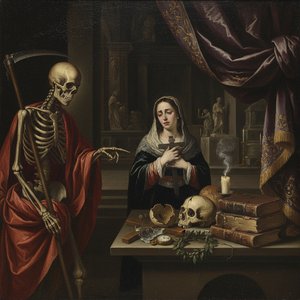
Juan de Valdés Leal: Baroque Realism, Memento Mori & Theatricality of Spanish Grief
Explore the powerful Baroque realism of Juan de Valdés Leal (1622-1690). Discover his somber masterpieces, iconic 'In Ictu Oculi', and profound explorations of mortality. Museum-quality reproductions available at OriginalUniqueArt.

Francisco Goya: 25 mistrovských děl španělského génia | OriginalUniqueArt.cz
Prozkoumejte 25 ikonických děl Francisca Goyi – od romantických portrétů po temné tiskoviny. Objevte příběhy, techniky a umělecký význam španělského mistra na OriginalUniqueArt.cz. Reprodukce obrazů pro váš interiér.

The Dramatic Flourish: Exploring the Baroque Movement's Enduring Legacy in Art History
Explore the dramatic world of Baroque art! Discover iconic artists like Caravaggio & Rubens, defining techniques, and its lasting impact on art history. Expert insights for collectors & enthusiasts at OriginalUniqueArt.
