

 Náhled
 Sdílet
 Sdílet
 Podrobnosti o díle

 Stáhnout
 Podobné položky
 Rentgenové snímky
 Slideshow
Homing Pigeon
 1856
1856 136.0 x 108.0 cm
 Zobrazit více
Koupě vysoce rozlišeného, vylepšeného digitálního obrazu, který je mnohem kvalitnější než online náhled.
Každý soubor je pečlivě připraven našimi odborníky pomocí pokročilých nástrojů a expertní manuální retuše. Zajišťujeme, aby každý obraz disponoval výjimečnou ostrostí, přesnou barevnou věrností a jemnými detaily.
Finální soubor vám bude do 72 hodin zaslán e-mailem, optimalizovaný pro okamžité použití v profesionálním, redakčním i tiskovém prostředí. Nabízíme stejnou kvalitu, které důvěřují špičková designová studia, nakladatelství i galerie.
Digitální obrazy
Stáhněte si soubor ve vysokém rozlišení pro osobní prohlížení, tisk a kreativní projekty. ( Koupit tisk Koupit ručně malovaný obraz)
Součást každé objednávky digitálního obrazu
Profesionální digitální doručení, zaručeno.
Když si vyberete OriginalUniqueArt.com, nezískáváte pouze obrázek – získáváte digitální umělecké dílo s profesionálně vylepšenými detaily, zpracované s precizností a podpořené zárukou za spokojenost. Zde je vše, co vaše objednávka automaticky obsahuje:

Rychlé doručení e-mailem
Váš digitální obraz ve vysokém rozlišení vám bude zaslán e-mailem do 72 hodin od objednávky – připraven k okamžitému použití.

Digitální soubor s využitím AI
Vaše umělecké dílo je profesionálně optimalizováno pomocí pokročilých nástrojů umělé inteligence a manuální úpravy, což zajišťuje maximální úroveň detailu, ostrosti a přesnosti barev.

Bezplatné doživotní znovuodeslání
Soubor jste omylem smazali nebo ztratili? Žádný problém – kdykoliv vám ho znovu zašleme zcela zdarma.

Bez poplatků za dovoz – navždy
Užijte si své umělecké dílo okamžitě bez celních poplatků, daní nebo nákladů na dopravu – digitální stažení je vždy bez daňových povinností.

Záruka přesnosti barev
Pomocí profesionálních nástrojů a správy barev zajišťujeme, aby váš digitální obraz odrážel původní barvy co nejvěrněji.

60denní záruka spokojenosti
Pokud nebudete s digitální fotografií spokojeni, provedeme její revizi nebo vám vrátíme 100% během 60 dnů – bez jakýchkoliv dotazů.

100% záruka vrácení peněz
Nespokojeni? Získejte plnou částku zpět do 60 dní od přijetí vašeho digitálního souboru – bez jakýchkoliv dotazů.

Slevy při hromadných objednávkách
Koupěte si 3 obrazy, ušetřete 10% - Koupěte si 5, ušetřete 15% - Koupěte si 10+, ušetřete 20%. Ideální pro kreativní projekty, galerie a agentury.
Biografie umělce
A Life Painted in Light: The World of József Borsos
József Borsos, a name perhaps less familiar than some of his contemporaries, nevertheless occupies a significant niche within the tapestry of 19th-century Hungarian art. Born in 1821, Borsos was a man caught between worlds – a skilled portraitist steeped in the traditions of Biedermeier aesthetics who found himself increasingly challenged by the burgeoning power of photography. His life story is one of artistic promise, societal success, financial hardship, and ultimately, adaptation in the face of change. He wasn’t merely a painter; he was a chronicler of his time, capturing the essence of distinguished Hungarians and offering glimpses into the everyday lives of the middle class with a delicate realism that resonated deeply with his patrons.Vienna's Embrace and Early Success
Borsos received his formal artistic training in Vienna, a city then brimming with cultural energy and serving as a vital crossroads for European artistic movements. It was here that he honed his skills, developing a style characterized by meticulous detail, harmonious compositions, and a subtle yet powerful use of color. His early work quickly garnered attention, particularly his portraits of prominent figures within Hungarian society. These were not simply likenesses; they were statements of status, carefully constructed images designed to convey the sitter’s importance and refinement. Alongside these commissions, Borsos also found success with his “genre” paintings – scenes depicting everyday life, imbued with a quiet dignity and emotional warmth. Works like Portrait of Kristóf Hegedűs (1844), Wine, Woman, Love (1847) and Girls after the Ball (1850) exemplify this period, showcasing his ability to capture both individual character and a broader sense of social atmosphere. The popularity of these paintings stemmed from their accessibility; they offered viewers a relatable window into a world they aspired to or recognized as their own.The Allure of Biedermeier and Artistic Style
Borsos is most often categorized as an artist of the Biedermeier period, and rightly so. This artistic movement, flourishing in the post-Napoleonic era, emphasized domesticity, sentimentality, and a focus on middle-class life. However, Borsos’s work transcends simple categorization. While he embraced the typically Biedermeier palette – realistic, strong yet delicate colors – his compositions possessed a sophistication that elevated him above many of his peers. He wasn't simply replicating scenes; he was interpreting them through a lens of refined observation and technical skill. His paintings are characterized by a sense of harmonic balance, achieved through careful attention to light, shadow, and the arrangement of figures within the frame. There’s a quiet intimacy in his work, a feeling that the viewer is privy to a private moment, carefully preserved on canvas. He excelled at portraying textures – the sheen of silk, the warmth of wood, the delicate flush of skin – bringing a tangible quality to his depictions.From Pest's Patronage to Photographic Pursuits
In 1861, Borsos made the move from Vienna to Pest (now part of Budapest). This relocation was precipitated by financial setbacks following losses in the stock exchange, a harsh reminder that artistic success did not always equate to economic security. The art market in Pest was thriving, but it was also becoming increasingly competitive. More significantly, photography was rapidly gaining popularity, posing a direct threat to the traditional portrait painting business. Unable to compete with the speed and affordability of photographic reproduction, Borsos astutely adapted to the changing times by opening his own photographic studio. This transition speaks volumes about his pragmatism and willingness to embrace new technologies. While he continued to paint, photography became his primary source of income. He ultimately died as the owner of a restaurant named “Szép Juhászné”, a poignant end for an artist who had once captured the portraits of Hungary’s elite.A Lasting Legacy: Works and Historical Significance
Despite the challenges he faced, József Borsos left behind a substantial body of work that continues to offer valuable insights into 19th-century Hungarian society and artistic sensibilities. His paintings – including Alms, Sunset, The Letter, Grapes or a Kiss, National Guard, Bathing Women, portraits of Zitterbach the architect, and Ferenc Pulszky – are scattered across museums and private collections. While perhaps not as widely celebrated as some of his contemporaries, Borsos’s work is increasingly recognized for its technical skill, emotional depth, and historical significance. He stands as a testament to the adaptability of artists in the face of technological change, and his paintings remain captivating glimpses into a bygone era – a world painted with light, realism, and a quiet dignity that continues to resonate with viewers today. His connection to Villa Róma and the Rippl-Rónai Museum further solidifies his place within Hungary’s rich artistic heritage.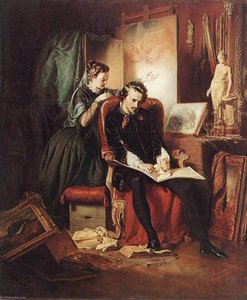
józsef borsos
1821 - 1883
Stručné informace
- Artistic Movement Or Style: Biedermeier
- Artists Or Movements Influenced By This Artist: ['Romanticism']
- Artists Who Influenced This Artist: ['Gustav Klimt']
- Date Of Death: 1883
- Full Name: József Borsos
- Nationality: Hungarian
- Notable Artworks:
- Girls after the Ball
- Alms
- Sunset
- The Letter
- Grape or Kiss
- National Guard
- Bathing Women
- The Portrait of Zichy
- Pigeon Post
- Place Of Birth: Vienna, Austria

