

 Náhled v interiéru
 Sdílet
 Sdílet
 Podrobnosti o díle
 Průvodce

 Stáhnout
 Podobné položky
 Rentgenové snímky
 Slideshow
 Statistiky
Ludwig van Beethoven
 Oil On Canvas
- WallArt
- Romantic Portraiture
 1815
1815- 19th Century
 62.0 x 47.0 cm
 Beethoven-Haus Bonn
 Zobrazit více
Giclée / Umělecký tisk
Giclée nebo plátěný tisk muzeální kvality s rychlou výrobou a širokou nabídkou povrchových úprav. ( Koupit ručně malovaný obraz Přepnout na digitální obraz)




P118B Kč10

P118H Kč10

P118W Kč10

P438Z Kč10

P508JH Kč12

P508YH Kč12

P805H Kč10

P805Z Kč10

P919BZ Kč10

P919G Kč10

P919XJ Kč10

P959ZH Kč10

P968JZ Kč12

W106C Kč8

W218G Kč10

W218JH Kč8

W218Y Kč10

W307PJ Kč10

W316G Kč10

W316PJ Kč8

W316Y Kč10

W398PJ Kč8

W4111J Kč10

W500HY Kč15

W500JH Kč15

W692G Kč12

W849H Kč8

W940BG Kč15

W953PJ Kč8




Vyberte si z našich přednastavených velikostí, které odpovídají původním proporcím díla.

Zadejte šířku a výšku, které potřebujete pro váš rám nebo stěnu. Tisk lze pouze oříznout, nikdy však nelze zvětšit obraz nad jeho původní rozměr, proto při výběru jiného formátu dochází ke ztrátě části obrazu. Před samotným tiskem vám zašleme digitální náhled k schválení. Obraz zobrazený na této stránce nenabízí skutečný výřez — ten uvidíte pouze v náhledu.
Celosvětové doručení () do 2 týdnů namísto standardních 4/5 týdnů. (27 říjen)

Zdarma celosvětová expresní doprava

Vysoce kvalitní lněné plátno

Kompletní pojištění přepravy

Záruka vrácení celního poplatku

Záruka věrného barevného souladu

100dení lhůta pro vrácení zboží (pouze při vadách výroby)

100% záruka vrácení peněz

Sleva při více objednávkách
 Skleněná varianta je dostupná pouze u rozměrů menších než 110 cm

Ludwig van Beethoven
Giclée / Umělecký tisk
Rozměry reprodukce
-


Celková cena za vybrané možnosti reprodukcí
Kč 1716
A Portrait of Earnest Intensity: Joseph Mähler's Beethoven
Joseph Willibrord Mähler’s 1815 portrait of Ludwig van Beethoven is more than simply a likeness; it’s a profound distillation of the composer’s inner life, rendered with a remarkable sensitivity to both his physical presence and the palpable weight of his genius. Measuring a substantial 62 x 47 cm, this oil-on-canvas work, now residing at the Beethoven-Haus in Bonn, Germany, offers an intimate glimpse into the world of one of music’s most iconic figures during a pivotal period of his life.
- The Subject: The painting depicts Beethoven as he appeared around 1815, a time marked by increasing deafness and a growing sense of isolation. His formal attire – a black suit accented by a crisp white shirt and tie – speaks to the societal expectations of the era, yet his bearing is one of quiet intensity.
- Mähler’s Technique: Mähler was a skilled portraitist influenced by the Neoclassical style, evident in the carefully constructed composition and the precise rendering of Beethoven's features. The artist masterfully employs light and shadow to sculpt Beethoven’s face, emphasizing his furrowed brow and the unwavering gaze directed squarely at the viewer. This direct engagement creates an immediate connection, inviting us to contemplate the complexities within.
A Window into a Troubled Genius
The portrait emerges from a fascinating historical context. 1815 was a year of immense upheaval in Europe, following the defeat of Napoleon and the subsequent reshaping of political boundaries. Beethoven, deeply affected by these events and increasingly reliant on his music as a means of expression, embodies the spirit of this turbulent time. The artist’s choice to capture Beethoven's direct gaze is particularly significant; it suggests a man grappling with profound questions about humanity, art, and his own place in the world.
- Symbolism of Appearance: While outwardly conforming to societal norms through his attire, Beethoven’s appearance subtly hints at his internal struggles. The severity of his expression, coupled with the meticulously rendered beard and mustache – hallmarks of his later years – speaks volumes about the challenges he faced.
The Legacy of Rembrandt Peale and Neoclassical Portraiture
It's crucial to acknowledge the influence of Rembrandt Peale, a contemporary artist whose career profoundly shaped the landscape of American portraiture. Peale’s emphasis on capturing not just physical likeness but also character and dignity resonated with Mähler, contributing to the overall impact of this portrait. The Neoclassical style, championed by artists like Jacques-Louis David, favored clarity, order, and a return to classical ideals – principles evident in Mähler's meticulous brushwork and balanced composition.
- Historical Context: Mähler’s work reflects the broader artistic trends of the early 19th century, where portraiture served as both a commemoration of prominent figures and a reflection of prevailing social and intellectual currents.
Emotional Resonance and Artistic Value
This reproduction offers more than just an image; it provides a tangible connection to one of history’s most celebrated composers. The painting's enduring appeal lies in its ability to capture the essence of Beethoven – his brilliance, his struggles, and his unwavering dedication to his art. A hand-painted reproduction allows you to bring this powerful portrait into your own space, fostering contemplation and appreciation for a musical giant whose legacy continues to inspire.
Otázky a odpovědi
Jak se v díle „Ludwig van Beethoven“ od Joseph Willibrord Mähler propojují umělecký směr a doba?
Dílo "Ludwig van Beethoven" patří k období Romantic Portraiture, jehož tvůrce působil v éře – 19. století.
Jakou náladu a emoci vyjadřuje „Ludwig van Beethoven“ od Joseph Willibrord Mähler?
„Ludwig van Beethoven“ od Joseph Willibrord Mähler vyvolává Reflective pocit v rámci celkové Classic nálady.
Jak mohu získat digitální kopii díla „Ludwig van Beethoven“ od Joseph Willibrord Mähler?
„Ludwig van Beethoven“ je k dispozici jako stažení digitálního obrazu ve vysokém rozlišení, zakoupit jej můžete přímo na stránce Digitální snímek.
Související články

Giclée Prints: Archival Quality & Aesthetic Nuances for the Discerning Collector
Explore the world of giclée prints with OriginalUniqueArt. Learn about archival quality, aesthetic nuances & investment potential. Expert guidance for discerning art collectors seeking museum-quality reproductions and lasting value.

The Enduring Legacy of Oil on Canvas: Technique, History & Aesthetic Impact
Explore the rich history & techniques of oil painting – from Renaissance masters to Impressionism. Discover pigments, layering methods, and why this timeless medium endures. Expert insights for artists & art enthusiasts.

Trvalý odkaz olejomalby: Technika, historie a současná praxe
Prozkoumejte historii a techniky olejomalby s námi! Od středověku po současnost – detailní průvodce pro milovníky umění a profesionály. Objevte tajemství mistrů a inspirujte se.
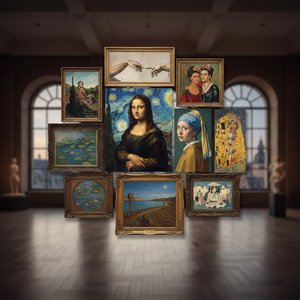
Top 10 olejů na plátně, které změnily svět umění | OriginalUniqueArt.cz
Objevte 10 legendárních olejů na plátně od Van Gogha, Moneta a Rembrandta. Ponořte se do příběhů mistrovských děl a inspirujte se pro váš interiér s reprodukcemi nejvyšší kvality. Prozkoumejte celou kolekci online na OriginalUniqueArt.com!

Oil on Canvas: A Historical & Technical Exploration of a Timeless Artistic Medium
Explore the rich history & enduring techniques of oil painting on canvas. Discover the science behind its longevity, conservation practices, and contemporary relevance. Expert insights for art enthusiasts.