
 Zobrazit v interiéru
 Odeslat
 Sdílet
 Podrobnosti
 Průvodce

 Stáhnout obrázek
 Podobné kousky
 Rentgenové snímky
 Slideshow
 Statistiky
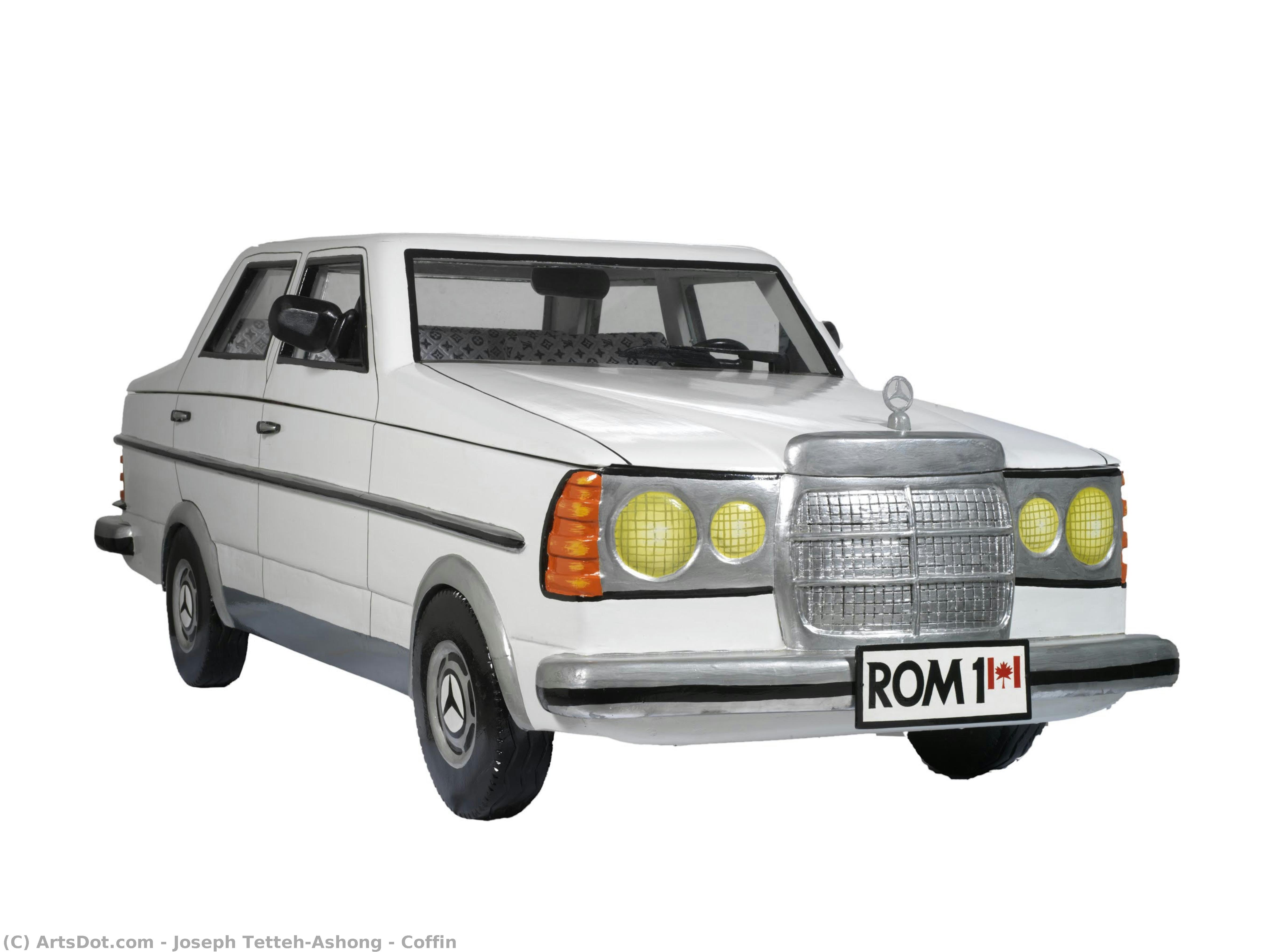
Coffin
 86.0 x 73.0 cm
 Přečíst si více
Umělecké dílo zobrazené na této stránce je chráněno autorským zákonem, což znamená, že nemůžeme legálně vytvářet ani prodávat jeho identickou reprodukci. Tato ochrana je vymáhána na základě mezinárodních dohod, jako například Berberská úmluva a národními zákony, včetně těch stanovených v Americký autorský zákon – Díl 17. Všechna práva vyhrazena.
Jako etickou a právní alternativu nabízíme vlastní, ručně malovaná umělecká díla inspirovaná originálem. Naši zdatní a profesionální umělci si pečlivě studují styl, náladu a uměleckou podstatu originálu, aby vytvořili nové, jedinečné dílo, které vyvolává stejný pocit – přičemž zůstává samostatným originálním tvůrčím dílem.
Tato metoda je plně v souladu s autorským právem, protože nezahrnuje kopírování ani duplikování chráněného díla. Jde o kreativní reinterpretaci – nový obraz, který je inspirován originálem, ale není s ním identický.
Ručně malovaná olejová reprodukce
Ručně malované olejné plátno v libovolném rozměru i s rámem, vyrobené našimi umělci na zakázku. ( Přepnout na tiskové verze Přepnout na digitální verzi obrazu)




































Vyberte si z našich přednastavených velikostí, které odpovídají původním proporcím díla.

Zadejte šířku a výšku, které potřebujete pro váš rám nebo stěnu. Protože se jedná o ruční malbu, při výběru jiného formátu může umělec kolem obrazu domalovat o něco více, nebo jej mírně oříznout — rozhodnete si vy. Před zahájením malby vám zašleme digitální náhled ke schválení. Obraz zobrazený na této stránce neodpovídá skutečnému výsledku — pouze digitální náhled jej zobrazuje.
Po přijetí objednávky vám tým OriginalUniqueArt.com zašle e-mail s pokyny a poskytne náhledovou verzi.
Celosvětová doprava () za 3–4 týdny namísto standardních 5 týdnů. (25 říjen). Bez kompromisů v kvalitě.

Zdarma celosvětová expresní doprava

Vysoce kvalitní lněné plátno

Úplné pojištění přepravy

Záruka vrácení celního poplatku

Záruka věrného barevného shodu

100dení lhůta pro vrácení zboží (pouze při vadách výroby)

100% garance vrácení peněz

Sleva při více objednávkách
 Skleněná varianta je dostupná pouze u rozměrů menších než 110 cm

Coffin
Technika provedení
Velikost reprodukce
-


Celková cena
Kč 6408
Otázky a odpovědi
Jaký tvar a rozměry má dílo „Coffin“ od Joseph Tetteh-Ashong?
Dílo „Coffin“ od Joseph Tetteh-Ashong má formát Landscape o rozměrech 86 x 73 cm.
Je k dispozici prezentace pro „Coffin“ od Joseph Tetteh-Ashong?
Dílo „Coffin“ od Joseph Tetteh-Ashong si můžete prohlédnout jako diaporama na stránce Diaporama daného díla.
Je dílo „Coffin“ od Joseph Tetteh-Ashong spíše světlé, nebo tmavé?
Z hlediska vnímané jasnosti je dílo „Coffin“ od Joseph Tetteh-Ashong brilliant.
Biografie umělce
A Legacy Carved in Wood: The Life and Art of Joseph Tetteh-Ashong (Paa Joe)
Joseph Tetteh-Ashong, known globally as Paa Joe, is more than just a sculptor; he’s a cultural historian translating the narratives of Ghana into breathtakingly imaginative forms. Born in Nungua, Ghana, in 1947, Paa Joe emerged from a lineage steeped in tradition, yet possessed an innate drive to push the boundaries of what Ghanaian coffin art could be. His journey began with a rigorous twelve-year apprenticeship under Kane Kwei at his workshop in Teshie – a foundational experience that instilled not only technical mastery but also a deep understanding of the symbolic weight embedded within each creation. These weren’t merely boxes for burial; they were *abebuu adekai*, “proverb boxes,” vessels designed to reflect the deceased's life, profession, and aspirations, ensuring a fitting passage into the afterlife. Paa Joe didn’t simply inherit this tradition; he revitalized it, infusing it with a vibrant personal vision that would soon capture international attention.From Tradition to Transcendence: The Evolution of a Unique Style
While deeply rooted in ancestral practices, Paa Joe's work quickly distinguished itself through its sheer audacity and playful complexity. Traditional Ghanaian coffins often represented animals – lions for royalty, fish for fishermen – but Paa Joe expanded this lexicon exponentially. He began crafting fantastical coffins shaped like airplanes for pilots, buses for travelers, and even colossal shoes for beloved shoemakers. This wasn’t mere novelty; it was a profound act of personalization, celebrating individual lives with unprecedented specificity. He masterfully employed vibrant colors and bold lines, drawing on the rich visual language of Ghanaian textiles and folklore. The process itself is remarkable – each coffin meticulously hand-carved from cedar wood, then painted with enamel paints that bring these extraordinary forms to life. Paa Joe’s skill lies not only in his carpentry but also in his ability to imbue each piece with a sense of movement, personality, and profound storytelling. He trained several apprentices—Daniel Mensah, Eric Kpakpo, and Kudjoe Affutu among them—who have themselves become celebrated artists, ensuring the continuation of this unique artistic heritage.International Recognition and Museum Collections
Paa Joe’s work first gained international recognition in 1989, marking a turning point in his career. His creations resonated with audiences worldwide, challenging conventional notions of art and craftsmanship. Major exhibitions followed in Europe, Japan, and the United States, introducing his vibrant sculptures to a global stage. Today, Paa Joe’s coffins are not confined to private collections; they grace the halls of prestigious institutions like the British Museum in London, the Brooklyn Museum in New York, the Royal Ontario Museum in Canada, and the Museum of Fine Arts, Boston, among many others. The inclusion of his work in these esteemed museums signifies a broader acknowledgement of African art’s profound cultural significance and its capacity to transcend geographical boundaries. His pieces are not simply displayed as ethnographic objects; they are celebrated as powerful works of contemporary sculpture, embodying both tradition and innovation.Symbolism and the Gates of No Return
The deeper meaning behind Paa Joe's work extends beyond individual commemoration. His more recent commissions, particularly those created in 2004 and 2005, address the harrowing history of the transatlantic slave trade. These large-scale sculptures depict architectural models of Gold Coast castles and forts – sites that served as holding pens for millions of Africans before their forced journey to the Americas and the Caribbean. These structures, now hauntingly recreated in wood, represent the “Gates of No Return,” a poignant reminder of the trauma and loss endured by those who were enslaved. Paa Joe’s artistry transforms these symbols of oppression into vessels carrying the spirits of the departed, offering a powerful commentary on memory, resilience, and the enduring legacy of slavery. The exhibition at the High Museum of Art in Atlanta further contextualizes this work, connecting it to global histories of slavery through archival documents, photographs, and interactive maps.A Vision for the Future: The Art Academy and Community Support
Paa Joe’s commitment extends beyond his own artistic practice; he is dedicated to nurturing the next generation of Ghanaian artists. He is currently building an art academy and gallery in Ghana, a space designed to support aspiring creatives and foster a thriving artistic community. This initiative reflects Paa Joe's belief in the transformative power of art and its ability to empower individuals and preserve cultural heritage. His legacy isn’t solely defined by the remarkable coffins he creates but also by his unwavering dedication to education, mentorship, and the continued celebration of Ghanaian artistry on a global scale. He continues to sculpt, innovate, and inspire, ensuring that the vibrant tradition of *abebuu adekai* will flourish for generations to come.
Joseph Tetteh-Ashong
1947 - , Ghana
Rychlé informace
- Artistic Movement Or Style: Figurative sculpture
- Artists Who Influenced This Artist: ['Kane Kwei']
- Date Of Birth: 1947
- Full Name: Joseph Tetteh-Ashong
- Nationality: Ghanaian
- Notable Artworks:
- Lion-Shaped Coffin
- Fantasy Coffins
- Place Of Birth: Nungua, Ghana