

 Zobrazit v interiéru
 Odeslat
 Sdílet
 Podrobnosti
 Průvodce

 Stáhnout obrázek
 Podobné kousky
 Rentgenové snímky
 Slideshow
 Statistiky
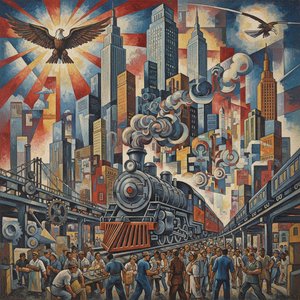
Futurist Composition
 Acrylic On Canvas
- WallArt
- Futurist Composition
 1914
1914 55.0 x 41.0 cm
 Amon Carter Museum of American Art
 Přečíst si více
Ručně malovaná olejová reprodukce
Ručně malované olejné plátno v libovolném rozměru i s rámem, vyrobené našimi umělci na zakázku. ( Přepnout na tiskové verze Přepnout na digitální verzi obrazu)




P118B Kč10

P118H Kč10

P118W Kč10

P438Z Kč10

P508JH Kč12

P508YH Kč12

P805H Kč10

P805Z Kč10

P919BZ Kč10

P919G Kč10

P919XJ Kč10

P959ZH Kč10

P968JZ Kč12

W106C Kč8

W218G Kč10

W218JH Kč8

W218Y Kč10

W307PJ Kč10

W316G Kč10

W316PJ Kč8

W316Y Kč10

W398PJ Kč8

W4111J Kč10

W500HY Kč15

W500JH Kč15

W692G Kč12

W849H Kč8

W940BG Kč15

W953PJ Kč8




Vyberte si z našich přednastavených velikostí, které odpovídají původním proporcím díla.

Můžete zadat vlastní rozměry pro konkrétní rám nebo prostor. Pokud se vámi vybraná velikost neshoduje s proporcemi původního obrazu, dílo buď ořízneme, nebo jej doplníme ručně malovanými prvky. Před zahájením výroby vám bude zaslán digitální náhled ke schválení.
Upozorňujeme, že náhled na obrazovce neodpovídá skutečnému ořezu ani rozšíření. Pouze digitální náhled přesně zobrazí finální kompozici.
Ačkoliv je možné zvolit vlastní velikost, pro zachování původních proporcí doporučujeme vybrat rozměr z předdefinovaného seznamu.
Po přijetí objednávky vám tým OriginalUniqueArt.com zašle e-mail s pokyny a poskytne náhledovou verzi.
Celosvětová doprava () za 3–4 týdny namísto standardních 5 týdnů. (27 září). Bez kompromisů v kvalitě.

Zdarma celosvětová expresní doprava

Vysoce kvalitní lněné plátno

Úplné pojištění přepravy

Záruka vrácení celního poplatku

Záruka věrného barevného shodu

100dení lhůta pro vrácení zboží (pouze při vadách výroby)

100% garance vrácení peněz

Sleva při více objednávkách
 Skleněná varianta je dostupná pouze u rozměrů menších než 110 cm

Futurist Composition
Technika provedení
Velikost reprodukce
-


Celková cena
Kč 6239
Futurist Composition by Joseph Stella – A Symphony of Motion and Color
The Futurist movement, born in Italy at the dawn of the 20th century, sought to shatter traditional artistic conventions and embrace the dynamism of modern life—a radical departure from the academic art world that dominated Europe. Among its most influential figures was Joseph Stella (1877-1946), an American artist who wholeheartedly adopted this revolutionary aesthetic, producing works that capture the energy and excitement of a rapidly changing era. Stella’s “Futurist Composition,” created in 1914, exemplifies this spirit perfectly.- Subject Matter: The painting depicts a sprawling landscape—a blend of land and sea—dominated by a vibrant blue sky punctuated with bursts of yellow and orange hues. At its center is a boat gliding across the water, surrounded by stylized trees and hills.
- Style & Technique: Stella’s approach aligns squarely with Futurism's core tenets. He employs geometric shapes – triangles, rectangles, circles—to represent movement and speed, mirroring the perceived acceleration of industrial progress. The pastel medium lends itself beautifully to capturing subtle tonal variations and creating a luminous surface texture that enhances the visual impact.
- Historical Context: Produced during World War I, “Futurist Composition” reflects the anxieties and aspirations of its time. Futurists championed technology, violence, and upheaval as catalysts for societal transformation—themes powerfully conveyed through Stella’s bold color palette and dynamic composition. It stands alongside other Futurist paintings exploring similar subjects like Brooklyn Bridge and industrial landscapes.
- Symbolism: The dominant blue sky symbolizes aspiration and transcendence, while the yellow and orange hues represent vitality and optimism. The boat itself embodies forward momentum—a visual metaphor for overcoming obstacles and embracing change. Stella’s deliberate simplification of forms contributes to a sense of universality, conveying emotions beyond specific narratives.
- Emotional Impact: Viewing “Futurist Composition” evokes a feeling of exhilaration and wonder. Stella's masterful use of color and form compels the viewer to experience the energy of the scene—a testament to his ability to translate abstract concepts into emotionally resonant imagery.
Provenance & Display Location
Currently residing at the Amon Carter Museum of American Art in Fort Worth, Texas, “Futurist Composition” offers visitors a tangible connection to Stella’s artistic vision and the broader context of Futurism's influence on early 20th-century art. Its presence within the museum’s permanent collection underscores its significance as a landmark achievement of modernist painting.Further Exploration
To delve deeper into Joseph Stella’s oeuvre, consider visiting MoMA's Inventing Abstraction exhibition, where “Futurist Composition” is prominently featured alongside other groundbreaking artworks of the period. Alternatively, explore Stella’s Untitled (497) on WikiArt for detailed analysis and stylistic comparisons. Examining related works by Stella—such as “Brooklyn Bridge”—provides valuable insight into his artistic evolution and the enduring legacy of Futurism.Biografie umělce
Joseph Stella (1877-1946): A Bridge Between Worlds
Born in the small Italian village of Muro Lucano in 1877, Joseph Stella’s journey was one of constant reinvention and a passionate embrace of modernity. Initially destined for a career in medicine after his family emigrated to New York City in 1896, Stella quickly found himself drawn to the world of art, abandoning medical studies to enroll at the Art Students League and later the New York School of Art under the tutelage of William Merritt Chase. His early work reflected a gritty realism, depicting the harsh realities of immigrant life in the city’s slums – a far cry from the vibrant dynamism that would come to define his mature style. These initial paintings, though significant for their social commentary, served as a foundation upon which he would build a truly unique artistic vision. He honed his skills as an illustrator during this period, contributing drawings to various magazines, but a yearning for something more profound began to stir within him.Early Life and Artistic Beginnings
Stella’s formative years were marked by a dual influence: the traditional Italian heritage of his family and the burgeoning intellectual currents of New York City. Following in the footsteps of his older brother Doctor Antonio Stella, he pursued medical studies initially but swiftly recognized that his true calling lay elsewhere—in visual expression. His enrollment at the Art Students League provided him with invaluable training under William Merritt Chase, who instilled in him a disciplined approach to observation and representation. This early academic grounding would prove crucial as he transitioned towards exploring more radical artistic ideas. He was particularly captivated by the plight of immigrant communities in New York City, documenting their daily lives with unflinching honesty—a stark contrast to the idealized depictions prevalent at the time.The Embrace of Futurism and European Modernism
A pivotal moment arrived during Stella’s travels in Europe in 1909–12, where he encountered the revolutionary fervor of Futurism. The movement's manifesto championed speed, machinery, and urban life—themes that resonated deeply with Stella’s evolving artistic sensibilities. Influenced by artists like Umberto Boccioni and Gino Severini, he began incorporating Futurist principles into his work, experimenting with dynamic lines and fragmented forms to convey the energy of modern industrial landscapes. This embrace of Futurism wasn't merely stylistic; it represented a fundamental shift in Stella’s worldview—a conviction that art should reflect the dynamism of the contemporary world. He skillfully blended European modernist aesthetics with American subject matter, notably focusing on iconic landmarks like the Brooklyn Bridge.Brooklyn Bridge Studies and Precisionist Vision
Stella’s most celebrated achievement was undoubtedly his series of paintings depicting the Brooklyn Bridge, which solidified his reputation as a pioneer of the Precisionist movement. Rejecting Impressionistic brushstrokes and atmospheric effects, he adopted a rigorously geometric style characterized by clean lines and sharply defined colors—a deliberate departure from prevailing artistic trends. As art historian Barbara Haskell noted, Stella’s approach to painting was driven by an unwavering belief that “art should be informed by observation,” rejecting the conventions of academic art in favor of a more direct engagement with reality. His meticulous attention to detail and structural clarity captured the grandeur of the bridge against a backdrop of muted tones—a testament to his mastery of technique and artistic vision. The Brooklyn Bridge became for him not just an architectural marvel but also a symbol of American ingenuity and progress.Legacy and Enduring Influence
Joseph Stella’s participation in the landmark Armory Show of 1913 catapulted him into the spotlight, gaining recognition for his innovative approach to painting and influencing a generation of American artists. His work was further championed by Katherine Dreier’s Societe Anonyme, New York's first museum dedicated to advanced contemporary art, solidifying his position within the avant-garde movement. Stella is now recognized as a seminal figure in the development of early 20th-century American modernism, successfully synthesizing European modernist movements with an American sensibility and subject matter. He died in 1946, leaving behind a legacy of vibrant and dynamic depictions of industrial America. His later works, including *Pyrotechnic Fires* and various untitled pieces, continued to explore new stylistic avenues, demonstrating his unwavering commitment to artistic exploration. Joseph Stella remains a pivotal figure who helped bridge the gap between European modernism and American art, forever changing the landscape of 20th-century painting.
Joseph Stella
1877 - 1946 , Itálie
Rychlé informace
- Artistic Movement Or Style: Futurist, Precisionist
- Artists Who Influenced This Artist:
- Umberto Boccioni
- William Merritt Chase
- Date Of Birth: 1877
- Full Name: Joseph Stella
- Nationality: Italian-Amerikaňanský
- Notable Artworks:
- Battle of Lights, Coney Island
- Der Rosenkavalier
- Spring
- Place Of Birth: Muro Lucano, Italy
Související články

Evocations of Place: A Historical Journey Through Landscape Art
Explore the rich history of landscape art with OriginalUniqueArt. Discover renowned artists, movements like Impressionism & Romanticism, and expert guidance for collecting timeless pieces. Find your perfect serene escape today!

John Constable: 25 mistrovských děl krajinářské poezie | OriginalUniqueArt.com
Prozkoumejte 25 ikonických děl Johna Constabla, mistra anglického krajinářství a romantismu. Obdivujte jeho olejomalby, plátna s venkovskou atmosférou a inspirujte se pro dekoraci interiéru. Reprodukce obrazů nejvyšší kvality na OriginalUniqueArt.com

Paul Cézanne: 25 mistrovských děl a revoluce v moderním umění | OriginalUniqueArt.cz
Prozkoumejte 25 ikonických děl Paula Cézanna – průkopníka moderního umění a impresionismu. Obdivujte jeho still life, krajiny a portréty. Reprodukce obrazů v nejvyšší kvalitě na OriginalUniqueArt.com. Inspirace pro váš interiér!
Joseph Stella: Modernism's Dynamic Vision of Industry, Urban Life & the American Spirit
Explore the captivating world of Joseph Stella, a pioneer of American Modernism. Discover his iconic depictions of industry, urban life & the Brooklyn Bridge. Expert analysis for art collectors.

Romantická krajina v malbě: 10 mistrovských děl, které definovaly umělecký proud | OriginalUniqueArt
Prozkoumejte 10 ikonických děl romantické krajinářské malby! Objevte příběhy Caspara Davida Friedricha, Turnera a dalších mistrů. Reprodukce obrazů nejvyšší kvality pro váš interiér na OriginalUniqueArt.com.