

 Zobrazit v interiéru
 Odeslat
 Sdílet
 Podrobnosti
 Průvodce

 Stáhnout obrázek
 Podobné kousky
 Rentgenové snímky
 Slideshow
 Statistiky
Subiaco
 Realism
 1786
1786 17.0 x 25.0 cm
 Metropolitní muzeum umění
 Přečíst si více
Giclée / Umělecký tisk
Giclée nebo plátěný tisk muzeální kvality s rychlou výrobou a širokou nabídkou povrchových úprav. ( Objednat ručně malovanou reprodukci Přepnout na digitální verzi obrazu)




































Vyberte si z našich přednastavených velikostí, které odpovídají původním proporcím díla.

Zadejte šířku a výšku, které potřebujete pro váš rám nebo stěnu. Tisk lze pouze oříznout, nikdy však nelze zvětšit obraz nad jeho původní rozměr, proto při výběru jiného formátu dochází ke ztrátě části obrazu. Před samotným tiskem vám zašleme digitální náhled k schválení. Obraz zobrazený na této stránce nenabízí skutečný výřez — ten uvidíte pouze v náhledu.
Celosvětové doručení () do 2 týdnů namísto standardních 4/5 týdnů. (22 říjen)

Zdarma celosvětová expresní doprava

Vysoce kvalitní lněné plátno

Úplné pojištění přepravy

Záruka vrácení celního poplatku

Záruka věrného barevného shodu

100dení lhůta pro vrácení zboží (pouze při vadách výroby)

100% garance vrácení peněz

Sleva při více objednávkách
 Skleněná varianta je dostupná pouze u rozměrů menších než 110 cm

Subiaco
Giclée / Umělecký tisk
Velikost reprodukce
-


Celková cena
Kč 1713
Otázky a odpovědi
Mohu si před koupí prohlédnout „Subiaco“ od Joseph Pierre Xavier Bidauld na své vlastní stěně?
Dílo „Subiaco“ nabízí náhled v rozšířené realitě: na stránce Náhled v AR si jej můžete prohlédnout ve vlastním prostoru pomocí kompatibilního zařízení.
Jak si mohu stáhnout obrázek díla „Subiaco“ od Joseph Pierre Xavier Bidauld?
Pro dílo „Subiaco“ je k dispozici stažení: na stránce Stáhnout si můžete pořídit stažení digitálního obrazu ve vysokém rozlišení.
Která barva v díle "Subiaco" nejvíce vyniká?
Hlavní barvou díla „Subiaco“ od Joseph Pierre Xavier Bidauld je Rosy Brown (#ada798).
Biografie umělce
Jean-Joseph-Xavier Bidauld: The Quiet Landscape Painter
Jean-Joseph-Xavier Bidauld (10 April 1758 – 20 October 1846) was a French painter whose career unfolded largely outside the spotlight of Parisian artistic circles, yet yielded remarkable landscapes imbued with an understated beauty and profound sensitivity to Italianate traditions. Born in Carpentras, Provence, Bidauld’s formative years were spent honing his craft alongside his brother, Jean-Pierre Xavier, in Lyon—a city renowned for its textile industry and burgeoning artistic patronage. This early exposure instilled a disciplined approach to painting that would characterize his entire oeuvre.- Early Training & Travels: Bidauld’s formal training began with Jean-Pierre Xavier, who recognized his talent and encouraged him to pursue studies in Lyon. Recognizing the importance of broadening artistic horizons, he embarked on a significant journey to Paris in 1783, where he secured commissions from Dulac, a prominent perfume merchant and art dealer who became instrumental in supporting his subsequent explorations into Italian landscape painting.
- The Florentine Influence: Dulac’s generosity enabled Bidauld to spend five years immersed in the artistic fervor of Florence—a pivotal period that cemented his stylistic preferences. The Tuscan countryside, with its rolling hills and cypress trees, captivated him, profoundly shaping his vision of ideal beauty. He meticulously studied the techniques pioneered by artists like Canaletto and Claude Lorrain, mastering atmospheric perspective and capturing fleeting moments of light and shadow.
- Salon Recognition & Artistic Development: Returning to Paris in 1790, Bidauld swiftly gained acceptance into the Salon—the official art exhibition of the Académie des Beaux-Arts—establishing himself as a respected figure within the Parisian artistic landscape. His participation continued consistently throughout his life, allowing him to refine his style and garner critical acclaim.
- Notable Works & Patronage: Among Bidauld’s most celebrated paintings is “View of the Bridge and Part of the Town of Cava,” a breathtaking depiction of Lake Cellano and Mount Vesuvius commissioned by the Royal Family of Naples—a testament to his ability to convey grandeur and serenity simultaneously. His landscapes were admired by fellow artists like Camille Corot, who recognized Bidauld’s understated mastery of tonal harmony and compositional balance.
- Legacy & Decline: Despite considerable success during his lifetime, Bidauld experienced a notable decline in popularity after the mid-1820s—primarily due to disputes surrounding the Salon jury and its perceived bias against younger artists like Théodore Rousseau. This controversy overshadowed his artistic achievements and contributed to his impoverished circumstances upon his death in 1846. Nevertheless, Bidauld’s landscapes endure as emblems of Romantic sensibility, embodying a quiet contemplation of nature that continues to resonate with viewers today.

Joseph Pierre Xavier Bidauld
1758 - 1846
Rychlé informace
- Full Name: Jean-Joseph-Xavier Bidauld
- Nationality: French
- Date Of Birth: 1758
- Date Of Death: 1846
- Place Of Birth: Carpentras, France
- Notable Artworks: ['View of the Bridge and Part of the Town of Cava']
- Artistic Movement Or Style: Romantic Landscape
- Artists Who Influenced This Artist: ['Camille Corot']
- Artists Or Movements Influenced By This Artist: ['Barbizon School']
Související články

Romantická krajina v malbě: 10 mistrovských děl, které definovaly umělecký proud | OriginalUniqueArt
Prozkoumejte 10 ikonických děl romantické krajinářské malby! Objevte příběhy Caspara Davida Friedricha, Turnera a dalších mistrů. Reprodukce obrazů nejvyšší kvality pro váš interiér na OriginalUniqueArt.com.

Evocations of Place: A Historical Journey Through Landscape Art
Explore the rich history of landscape art with OriginalUniqueArt. Discover renowned artists, movements like Impressionism & tonalism, and expert guidance for collecting timeless pieces. Find your perfect serene escape today!

Evocations of Place: A Historical Journey Through Landscape Art
Explore the rich history of landscape art with OriginalUniqueArt. Discover renowned artists, movements like Impressionism & Romanticism, and expert guidance for collecting timeless pieces. Find your perfect serene escape today!
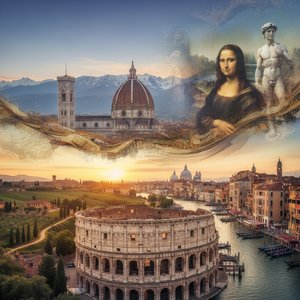
Timeless Italy: A Visual Journey Through Iconic Masterpieces and Eternal Landscapes
Embark on a visual journey through Italy's most iconic landscapes and Renaissance masterpieces. Discover the profound beauty of classical art, from Venetian altarpieces to serene countryside vistas, curated for the discerning art enthusiast and collector.

Evoking Atmosphere & Identity: A Journey Through Landscape Painting's History
Explore the rich history of landscape painting! Discover renowned artists, movements like Romanticism, & techniques such as atmospheric perspective. Find inspiration and quality reproductions at OriginalUniqueArt.
