

 Zobrazit v interiéru
 Odeslat
 Sdílet
 Podrobnosti
 Průvodce

 Stáhnout obrázek
 Podobné kousky
 Rentgenové snímky
 Slideshow
 Statistiky
Mère et enfants à la plage
 Přečíst si více
Ručně malovaná olejová reprodukce
Ručně malované olejné plátno v libovolném rozměru i s rámem, vyrobené našimi umělci na zakázku. ( Přepnout na tiskové verze Přepnout na digitální verzi obrazu)




































Vyberte si z našich přednastavených velikostí, které odpovídají původním proporcím díla.

Můžete zadat vlastní rozměry pro konkrétní rám nebo prostor. Pokud se vámi vybraná velikost neshoduje s proporcemi původního obrazu, dílo buď ořízneme, nebo jej doplníme ručně malovanými prvky. Před zahájením výroby vám bude zaslán digitální náhled ke schválení.
Upozorňujeme, že náhled na obrazovce neodpovídá skutečnému ořezu ani rozšíření. Pouze digitální náhled přesně zobrazí finální kompozici.
Ačkoliv je možné zvolit vlastní velikost, pro zachování původních proporcí doporučujeme vybrat rozměr z předdefinovaného seznamu.
Po přijetí objednávky vám tým OriginalUniqueArt.com zašle e-mail s pokyny a poskytne náhledovou verzi.
Celosvětová doprava () za 3–4 týdny namísto standardních 5 týdnů. (27 září). Bez kompromisů v kvalitě.

Zdarma celosvětová expresní doprava

Vysoce kvalitní lněné plátno

Úplné pojištění přepravy

Záruka vrácení celního poplatku

Záruka věrného barevného shodu

100dení lhůta pro vrácení zboží (pouze při vadách výroby)

100% garance vrácení peněz

Sleva při více objednávkách
 Skleněná varianta je dostupná pouze u rozměrů menších než 110 cm

Mère et enfants à la plage
Technika provedení
Velikost reprodukce
-


Celková cena
$ 350
Biografie umělce
Joseph Beaume (1796–1885): A Master of Dramatic History
Joseph Beaume (1796–1885) stands as a significant figure in French Neoclassical painting, particularly renowned for his monumental historical canvases that powerfully conveyed emotion and grandeur. Born in Paris, Beaume’s artistic journey unfolded against the backdrop of Napoleon III's reign, shaping his oeuvre with themes of patriotism, familial devotion, and poignant depictions of human suffering—subjects favored by Antoine-Jean Gros, whose influence can be discerned in Beaume’s stylistic choices.- Early Life & Training: Little is known about Beaume’s formative years beyond confirmation that he studied under Jacques-Louis David, the celebrated sculptor and painter who championed Neoclassical ideals. This tutelage instilled in him a meticulous attention to detail and an unwavering commitment to classical principles of composition and execution.
- Salon Career & Artistic Style: Beaume achieved considerable acclaim during his lifetime through participation in the Parisian Salon exhibitions—a cornerstone of artistic discourse for decades. His canvases consistently showcased dramatic narratives, often centered on biblical or mythological subjects rendered with meticulous realism and bathed in atmospheric light. He skillfully employed chiaroscuro techniques to heighten emotional impact, mirroring Gros’s approach and elevating Beaume's works beyond mere visual representation.
Notable Works & Recurring Themes
Beaume’s artistic output is characterized by a preoccupation with emotionally charged scenes—particularly those depicting familial grief and devotion. “Les Derniers Moments du Grand Père” (1864), arguably his most celebrated painting, captures the heartbreaking farewell between a father and son as the patriarch succumbs to illness. The canvas exemplifies Beaume’s mastery of tonal gradation and anatomical accuracy, conveying profound pathos with understated elegance. Similarly, "Henri III À Son Lit De Mort" portrays King Henry III's final days, capturing the solemn dignity of death alongside palpable sorrow—a testament to Beaume’s ability to distill complex emotions into visual form.- “Les Derniers Moments du Grand Père” – Demonstrates masterful tonal rendering and anatomical precision, conveying deep emotional resonance.
- “Henri III À Son Lit De Mort” – Exemplifies regal solemnity alongside palpable grief, showcasing Beaume’s ability to capture psychological depth.
Influence & Legacy
Beaume's artistic sensibilities align closely with those of Gros, whose dramatic depictions of Napoleonic battles established a precedent for monumental historical painting. Like Gros, Beaume prioritized conveying moral and emotional truths over mere visual spectacle—a distinction that cemented his place within the broader canon of 19th-century art history. Although Beaume’s output remained relatively modest compared to some contemporaries, his paintings continue to resonate with viewers today due to their unwavering commitment to realism and their profound exploration of human experience. His works are housed in institutions like St Joseph Chapel in Hungary and Brodsky House Museum in Russia, ensuring that his artistic legacy persists across geographical boundaries.Further Exploration
For a deeper understanding of Beaume’s artistic contributions, consider examining “Joseph Highmore: Moral Tales & Domestic Genre in 18th-Century British Art” which explores the broader context of Rococo painting and its impact on European art movements. Also, delve into "Joseph Henry Sharp: Capturing the Spirit of the Plains – Life, Art & Legacy" to appreciate Beaume’s influence on American landscape painting and his engagement with themes of identity and cultural representation.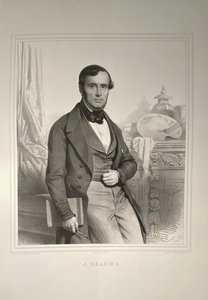
joseph beaume
1796 - 1885
Rychlé informace
- Artistic Movement Or Style: Neoclassical
- Artists Or Movements Influenced By This Artist: ['Romanticism']
- Artists Who Influenced This Artist: ['Antoine-Jean Gros']
- Date Of Death: 1885
- Full Name: Joseph Beaume
- Nationality: French
- Notable Artworks:
- Les Derniers Moments du grand père
- HENRI III A SON LIT DE MORT
- Place Of Birth: France