
 Náhled
 Sdílet
 Sdílet
 Podrobnosti o díle

 Stáhnout
 Podobné položky
 Rentgenové snímky
 Slideshow
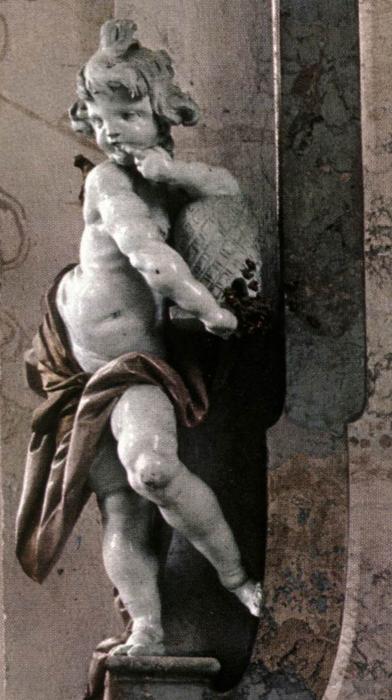
Angel


 Zobrazit více
Giclée / Umělecký tisk
Giclée nebo plátěný tisk muzeální kvality s rychlou výrobou a flexibilními možnostmi povrchové úpravy. ( Koupit ručně malovaný obraz Koupit obrázek)




































Vyberte si z našich přednastavených velikostí, které odpovídají původním proporcím díla.

Můžete zadat vlastní rozměry tak, aby výtvor odpovídal konkrétnímu rámu nebo prostoru. Pokud zvolená velikost nebude odpovídat poměru stran původního obrazu, dílo buď ořížeme, nebo obraz rozšíříme pomocí zrcadlového efektu či jednobarevného okraje. Před zahájením výroby vám bude zaslán digitální náhled k schválení.
Mějte prosím na paměti, že náhled na obrazovce neodráží skutečné oříznutí nebo rozšíření. Pouze digitální náhled přesně zobrazí finální kompozici.
Ačkoliv jsou k dispozici i vlastní rozměry, pro zachování původních proporcí doporučujeme vybrat si rozměr z předdefinovaného seznamu.
Celosvětové doručení () do 2 týdnů namísto standardních 4/5 týdnů. (16 srpen)

Zdarma celosvětová expresní doprava

Vysoce kvalitní lněné plátno

Kompletní přepravní pojištění

Záruka vrácení celního poplatku

Záruka přesného barevného shodu

60denní lhůta pro vrácení zboží (pouze při vadách výroby)

100% garance vrácení peněz

Sleva při hromadné objednávce
 Skleněná varianta je dostupná pouze u rozměrů menších než 110 cm

Angel
Giclée / Umělecký tisk
Rozměry reprodukce
-


Celková cena za výběr
$ 80
Biografie umělce
Joseph Anton Feuchtmayr: Sculptor of Rococo Grace
Joseph Anton Feuchtmayr (1696 – 1770) stands as a pivotal figure in the Wessobrunner School of sculpture and stucco art, shaping the aesthetic landscape of southern Germany and Switzerland during the High Baroque and early Rococo periods. Born into a distinguished artistic lineage—descendants of Johann Michael Feuchtmayer (the Elder)—he inherited not only talent but also an unwavering dedication to mastering the craft of transforming stone into breathtakingly luminous forms. His legacy resides in his masterful execution of monumental sculptures and intricate stucco decorations, particularly within monastic churches, where he achieved unparalleled renown.Early Life and Artistic Training
Feuchtmayr’s formative years were spent in Linz, Austria, where he received a rigorous artistic education under the tutelage of his father, Franz Joseph Feuchtmayer—a sculptor himself—and other prominent artists of the Wessobrunner School. This environment instilled within him a profound understanding of Baroque sculptural principles and techniques, emphasizing dynamism, emotional expression, and anatomical accuracy. Notably influenced by Diego Francesco Carlone, an Italian stuccoist who traveled extensively throughout Europe, Feuchtmayr honed his skills in achieving surfaces that possessed remarkable reflectivity—a characteristic that would become synonymous with his distinctive style.Notable Commissions and Artistic Style
Feuchtmayr’s career blossomed during the Baroque era, marked by ambitious ecclesiastical projects along the Upper Swabian Baroque Route. He swiftly gained recognition for his work on churches like Birnau Monastery, where he created “The Honey Eater,” a captivating depiction of St. Bernard delivering a sermon—a sculpture celebrated for its expressive gesture and masterful polishing technique. His collaborations with Johann Joseph Christian and Franz Xaver Feuchtmayer (the Elder) solidified his position as one of the foremost sculptors of his time, contributing significantly to the artistic grandeur of the region. Feuchtmayr’s sculptures are characterized by a harmonious blend of classical ideals and Baroque fervor, reflecting an astute assimilation of Italian influences while maintaining a distinctly German sensibility. The surfaces he achieved were exceptionally polished, creating an ethereal glow that captivated viewers and elevated his works to levels of sublime beauty.The Salem Monastery Legacy
Perhaps Feuchtmayr’s most enduring achievement is the monumental altar sculpture for Birnau Monastery—specifically, “The Honey Eater,” a poignant portrayal of St. Bernard delivering a sermon. This masterpiece exemplifies Feuchtmayr's signature style: dynamic composition, meticulous anatomical detail, and an astonishing level of surface polish that renders the figure bathed in radiant light. The sculpture’s enduring popularity testifies to its artistic merit and its ability to convey profound spiritual emotion—a testament to Feuchtmayr’s skill as a sculptor and his contribution to the visual culture of his era.A Continuing Influence
Today, Feuchtmayr's house and workshop in Mimmenhausen serve as a museum dedicated to preserving his artistic legacy. Visitors can explore reproductions of his sculptures and gain insight into his creative process—a tangible connection to a remarkable artist who shaped the aesthetic sensibilities of his time. His influence continues to resonate within contemporary sculpture, reminding us of the enduring power of craftsmanship and the pursuit of beauty through meticulous observation and skillful execution.
Joseph Anton Feuchtmayr
1696 - 1770 , Austria
Rychlé fakta
- Artistic Movement Or Style: Rococo
- Artists Or Movements Influenced By This Artist: ['Upper Swabian Baroque Route']
- Artists Who Influenced This Artist: ['Diego Francesco Carlone']
- Date Of Birth: Linz, Austria (1696)
- Date Of Death: 1770
- Full Name: Joseph Anton Feuchtmayr
- Nationality: Austrian
- Notable Artworks:
- St. Joachim
- Pietà
- Place Of Birth: Linz
Související články

10 legendárních bronzových soch, které změnily umění | OriginalUniqueArt
Objevte 10 legendárních bronzových soch od Michelangela, Rodina a dalších mistrů! Ponořte se do historie umění, technik a příběhů za těmito nadčasovými díly. Najděte inspiraci pro váš interiér s OriginalUniqueArt.com – repliky nejvyšší kvality.

The Enduring Form: Exploring Themes & Techniques in Sculpture Across Historical Periods
Explore the rich history of sculpture from ancient masterpieces to contemporary innovations. Discover key techniques, influential artists & investment potential for discerning art collectors.
The Enduring Form: Sculpture Across History, Technique & Emotional Resonance
Explore the rich history of sculpture with OriginalUniqueArt. Discover key techniques, influential artists & investment potential for discerning collectors. Expert insights into valuing and collecting timeless masterpieces.

10 legendárních bronzových mistrovských děl, která změnila umění | OriginalUniqueArt
Objevte 10 legendárních bronzových mistrovských děl od Rodina, Donatella a dalších. Ponořte se do historie umění a nechte se inspirovat nadčasovými sochařskými replikami pro váš interiér. Prozkoumejte celou kolekci online na OriginalUniqueArt.com!

Theatricality & Triumph: Baroque Drama in Painting & Sculpture
Explore the dramatic world of Baroque art! Discover its history, defining characteristics, & lasting influence on painting & sculpture. Expert insights into Caravaggio, Zurbarán, and Bernini – plus high-quality reproductions at OriginalUniqueArt.

